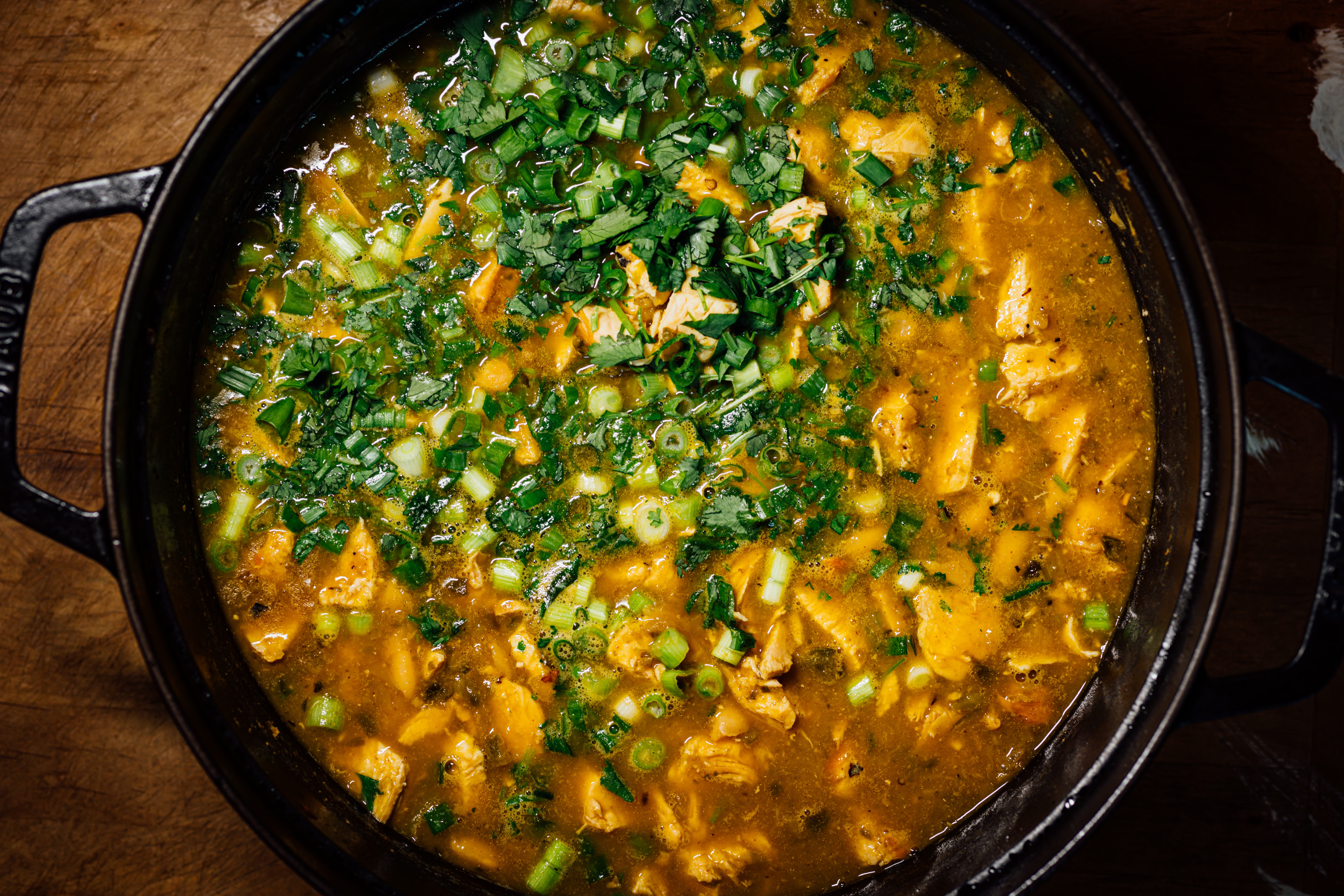
Normal view

The Scoop on Ice Cream

24 August 2025 at 11:01

The heat has settled over Los Angeles like a heavy quilt. By five, I’m up, leash in hand, Paddington trotting beside me as we chase the last scraps of cool air before the sun bares its teeth. Neither of us has the will for anything more once the streets begin to simmer. The oven sits cold, the stove ignored. Lunch has been little more than crisp salads, sandwiches straight from the fridge, and generous bowls of ice cream. So this week, it feels only right to turn to one of my truest comforts: ice cream in all its glory.

The Scoop on Ice Cream

There are few foods that capture both memory and science like ice cream. A crack of the spoon through its surface, the first silky cold bite, suddenly you’re five years old again, chasing the music of the ice cream truck. Yet beneath the nostalgia lies an extraordinary story of chemistry, physics, and culinary invention. Today, we’ll peel back the layers of ice cream: its history, the science that makes it work, and the machines and cookbooks that have carried it into our kitchens.

A Brief History of Frozen Pleasures

It begins in ancient China, around 200 BCE, where someone thought to stir rice and milk together, sweeten it, and chill it with snow. Not simply a dessert, but a small miracle in a bowl, cold and fleeting.

A few centuries later in Persia, the royal courts sipped sharbat, fruit syrups cooled with mountain snow. A drink with sunlight in its flavor and winter in its chill, the ancestor of sherbets and sorbets to come.

By the sixteenth century in Mughal India, ice was carried down from the Himalayas on horseback to cool fruit and milk puddings. Kulfi was born here: milk slowly caramelized until nutty and golden, then frozen in metal molds. It is still eaten today, dense and creamy, the taste of centuries held on the tongue.

Then Italy, during the Renaissance, where sorbetto (sorbet), light and tart, became the pride of Florence and Naples. Entire courts competed for supremacy, the frozen fruits of summer turned into works of art.

France followed in the seventeenth century. Parisian cafés began to serve crème glacée to the aristocracy. Cold, rich, and impossibly decadent, it was spooned out as if the very essence of luxury could be captured in ice.

Across the ocean in the United States, George Washington reportedly spent a small fortune on ice cream one hot summer, while Thomas Jefferson carefully wrote down one of the earliest recipes for vanilla ice cream. You can almost picture the ink drying on the page as the dessert began to melt in the heat.

And here is the cool fact. Before refrigeration, the ice trade was a global enterprise. In the nineteenth century, blocks of ice cut from frozen New England lakes traveled by ship to India and the Caribbean, packed in sawdust to slow the inevitable melt. The idea of carrying winter to the tropics feels almost romantic now, a gesture of excess and longing.
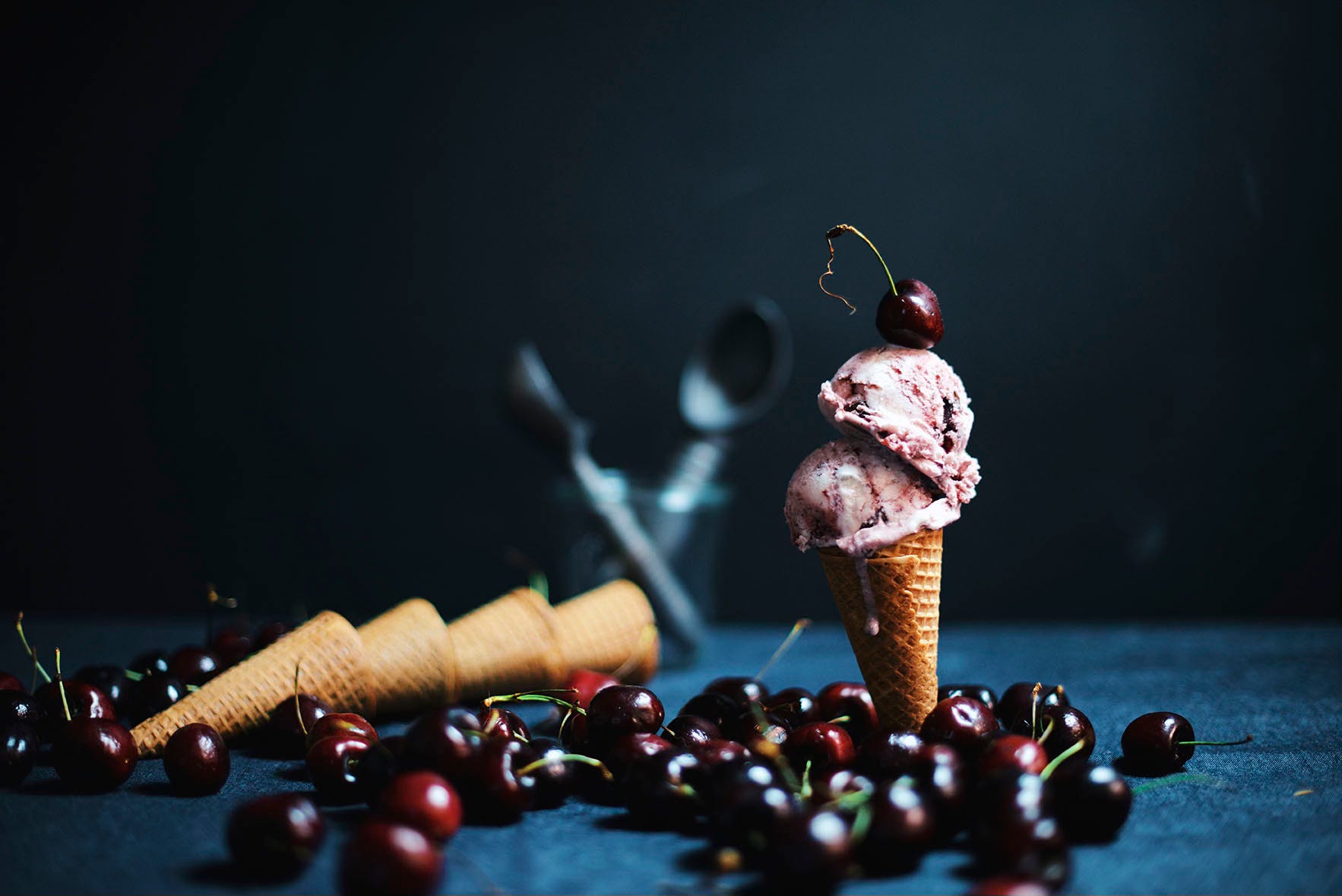
The Science of Ice Cream

The Architecture of Ice Cream

At its heart, ice cream is a small piece of alchemy, a dessert built on a multi-phase system that somehow tastes like happiness.

There are the ice crystals, tiny shards of frozen water that, if kept under fifty microns, give that elusive smoothness. Then come the fat globules, drifting in from cream or other fats, half-joining as the churn whips through the mixture, helping to trap air. The air itself is another layer, what ice cream makers call overrun. Premium ice creams hold only about twenty to thirty percent air, while cheaper ones can be puffed up to nearly double their volume. Finally, there is the unfrozen sugar solution, the part that stays liquid, keeping everything scoopable rather than turning into an icy brick.

Together, these phases give ice cream its paradoxical nature: frozen yet soft, solid yet melting.

Sugar: The Quiet Magician

Sugar is not there only for sweetness. It lowers water’s freezing point, so the mix never becomes a block of ice. Each sugar behaves differently. Sucrose, our everyday table sugar, gives balanced sweetness and moderate freezing. Glucose or corn syrup keeps more water locked in, lending a gentle chewiness. Invert sugar, honey, and agave resist iciness altogether, keeping the texture velvety.

Emulsifiers and Stabilizers

Egg yolks, with their lecithin and proteins, hold fat and water together while giving a custardy richness. Starch, often cornstarch or arrowroot, has long been used in Italian gelato to add body. In the modern world, stabilizers like guar gum, carrageenan, and locust bean gum keep ice cream creamy for longer and prevent those dreaded shards of ice from forming as it sits in the freezer.

The War on Ice Crystals

The enemy of good ice cream is large ice crystals. The faster the freeze, the smaller they stay. That is why factories use blast freezers at minus thirty degrees Celsius. At home, patience and planning help. Chill the base overnight, pre-freeze your equipment, work quickly, and you will be rewarded with a smoother, creamier scoop.
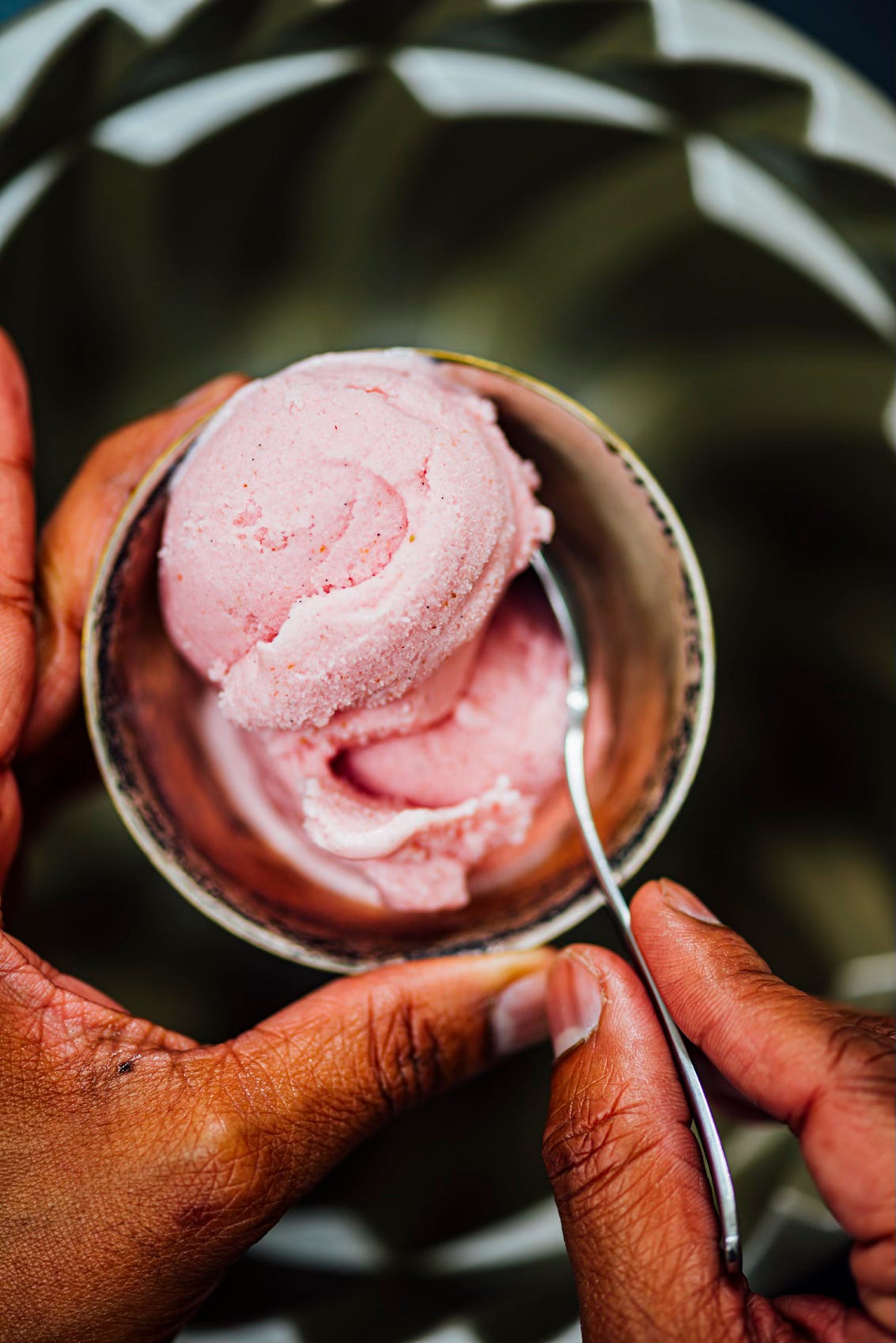
Styles Around the World

French custard ice cream begins with a cooked egg yolk base, a custard as lush and silky as velvet. Philadelphia-style skips the yolks altogether, leaving the flavor of cream to shine through, lighter and cleaner.

In Italy, gelato is churned more slowly, served warmer, with less fat than traditional ice cream. The result is denser, the flavors more intense, the texture almost elastic on the tongue.

Sorbet is fruit and sugar syrup, nothing more, no fat at all, while sherbet adds just a touch of dairy for creaminess. In India, kulfi starts with milk slowly reduced until thick and nutty, then scented with cardamom, saffron, and pistachios before being frozen solid. Dense, chewy, fragrant.

Soft-serve, a twentieth-century invention, is held at warmer temperatures so it flows out in those familiar swirls, kept stable with modern ingredients.

And here is a story I love. In 1904, at the St. Louis World’s Fair, an ice cream vendor ran out of cups. A waffle seller at the next stall rolled his waffles into cones. The ice cream cone was born in that moment, by accident and necessity, and the world never looked back.


Inventions and Machines

  • In 1843, Nancy Johnson in Philadelphia patented the hand-cranked ice cream freezer, a simple device using ice and salt brine to chill the base quickly. For the first time, households could make their ice cream without waiting for winter.

  • In the 1930s, Clarence Birdseye’s work on rapid freezing transformed commercial production, creating smoother textures. A few years later, in Illinois, the McCullough family invented soft-serve, and Dairy Queen began.

  • By the 1960s, Häagen-Dazs took ice cream in the opposite direction, reducing the air for a dense, rich style that set the standard for premium ice cream.


Modern Tools

Today, compressor machines do it all in one step with their built-in freezers. Freezer-bowl machines are simpler, more affordable, but need overnight chilling before you can churn. And then there is the dry ice method, which freezes the base almost instantly at home, filling the kitchen with clouds of cold, white vapor. At home, I use the Breville the Smart Scoop, which comes with its built-in freezing unit; it’s a lot more convienent especially if you don’t have space to pre-freeze the bucket.


Cookbooks for Ice Cream Enthusiasts

  • Jeni’s Splendid Ice Creams at Home — my number 1-go-to cookbook for ice creams, the ideas, her iconic cream cheese technique, and the methods are a game-changer.

  • The Perfect Scoop by David Lebovitz — approachable, timeless.

  • Frozen Desserts by Francisco J. Migoya — the Culinary Institute of America’s Ice Cream textbook. This book is geared towards chefs, but it does a fantastic job of explaining the science behind frozen desserts and is chock-full of ideas.
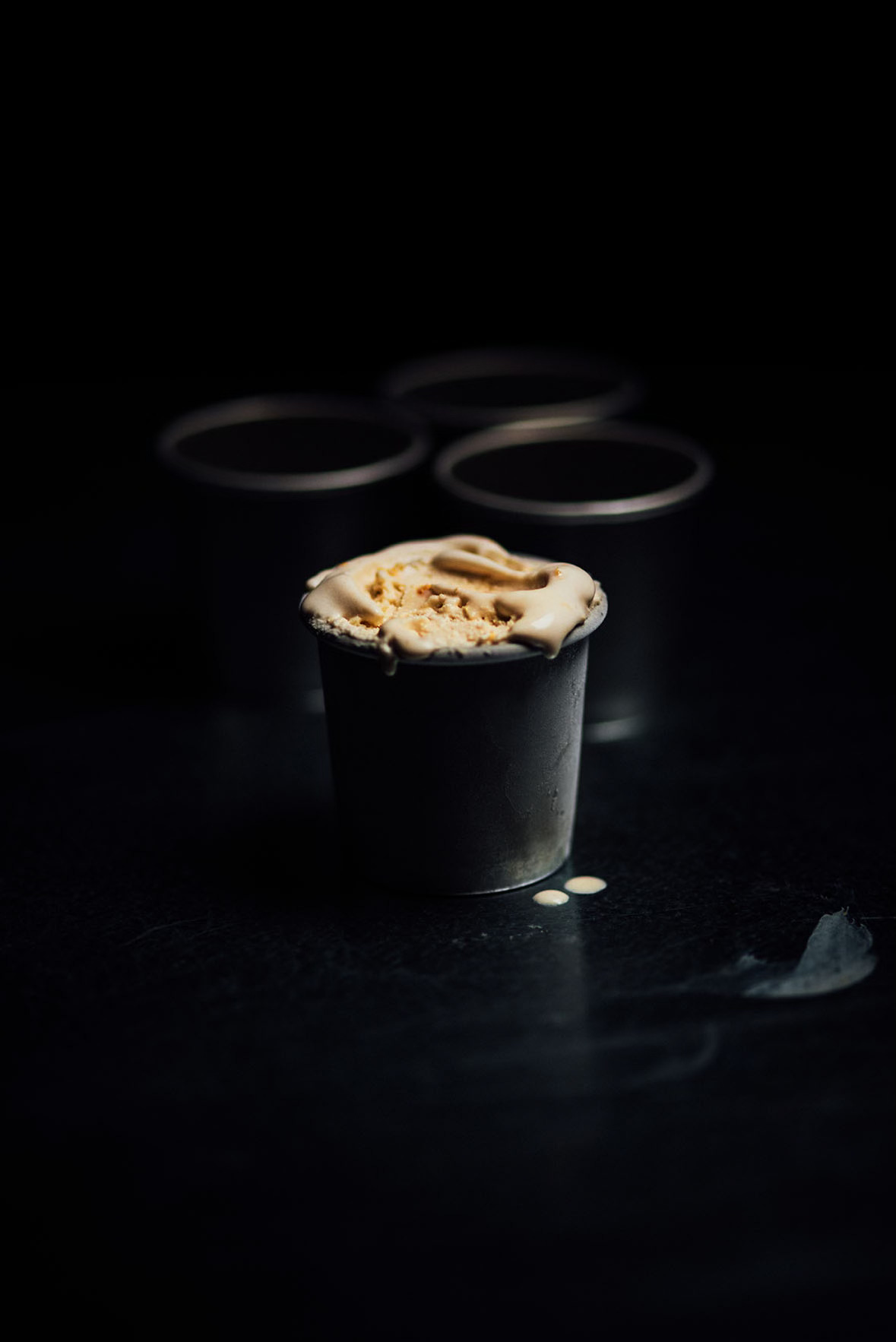

Science Spotlight: Freezer Burn and Recrystallization

Why does ice cream sometimes turn grainy, littered with tiny shards of ice? The culprit is recrystallization. Each time the temperature wavers, small ice crystals melt and then refreeze into larger, crunchier ones.

Keep your ice cream in the coldest, most stable corner of the freezer. Lay a sheet of parchment against the surface before sealing the lid to limit moisture migration. And resist the temptation to dip in for “just one spoonful” and put it back. Those cycles of thawing and refreezing are what give you that unwelcome crunch.

Commercial stabilizers are formulated to slow this process, which is why a supermarket pint lasts longer than any homemade batch, no matter how careful you are.


Ice cream may seem like pure whimsy, but every scoop carries history, invention, and science within it. From the first sharbats to kulfi, from the birth of gelato to Jeni’s Splendid, from freezing point depression to the happy accident of the waffle cone, it is one of the most remarkable culinary creations we have ever dreamed up.

Here are some of my favorite ice cream recipes just for you!

My Ice Cream Recipe Collection

So what is your favorite ice cream memory? A kulfi dripping down a stick on a hot Bombay afternoon or a passion fruit ice cream in Auckland? Gelato eaten too quickly by the Arno? A neon-bright swirl of soft-serve at a state fair? Write back and tell me. I would love to share a few of your stories in a future issue.

A treat’s on its way to your inbox. I won’t say more, but you’ll know it when you see it.

Until next time,

Nik

Poulet Sauté au Vinaigre, Noyaux, and the Culinary Elegance of Acids

17 August 2025 at 11:52

There are ingredients that season, and then there are ingredients that change everything. Acid belongs to the latter camp. A squeeze of lemon over fish, the tang of yogurt on warm bread, a splash of vinegar in a simmering pot; they don’t just add flavor, they alter it entirely, reshaping textures, brightening colors, and waking up our taste buds. Cooking with acid is less about subtlety and more about transformation, the quiet but decisive shift from good to unforgettable.

In this paid subscriber newsletter, you will…

  • Learn which acid gives carbonated beverages a whisper of acidity, and why I store yogurts in glass or stainless steal.

  • Get my recipes for Poulet Sauté au Vinaigre/Chicken Sautéed in Vinegar and Noyaux (I hope you saved your apricot kernels!)

  • Discover why there is a trace amount of cyanide in foods like amaretti cookies, and why you shouldn’t go on a raw kernel binge bender!

An Acid Love Story

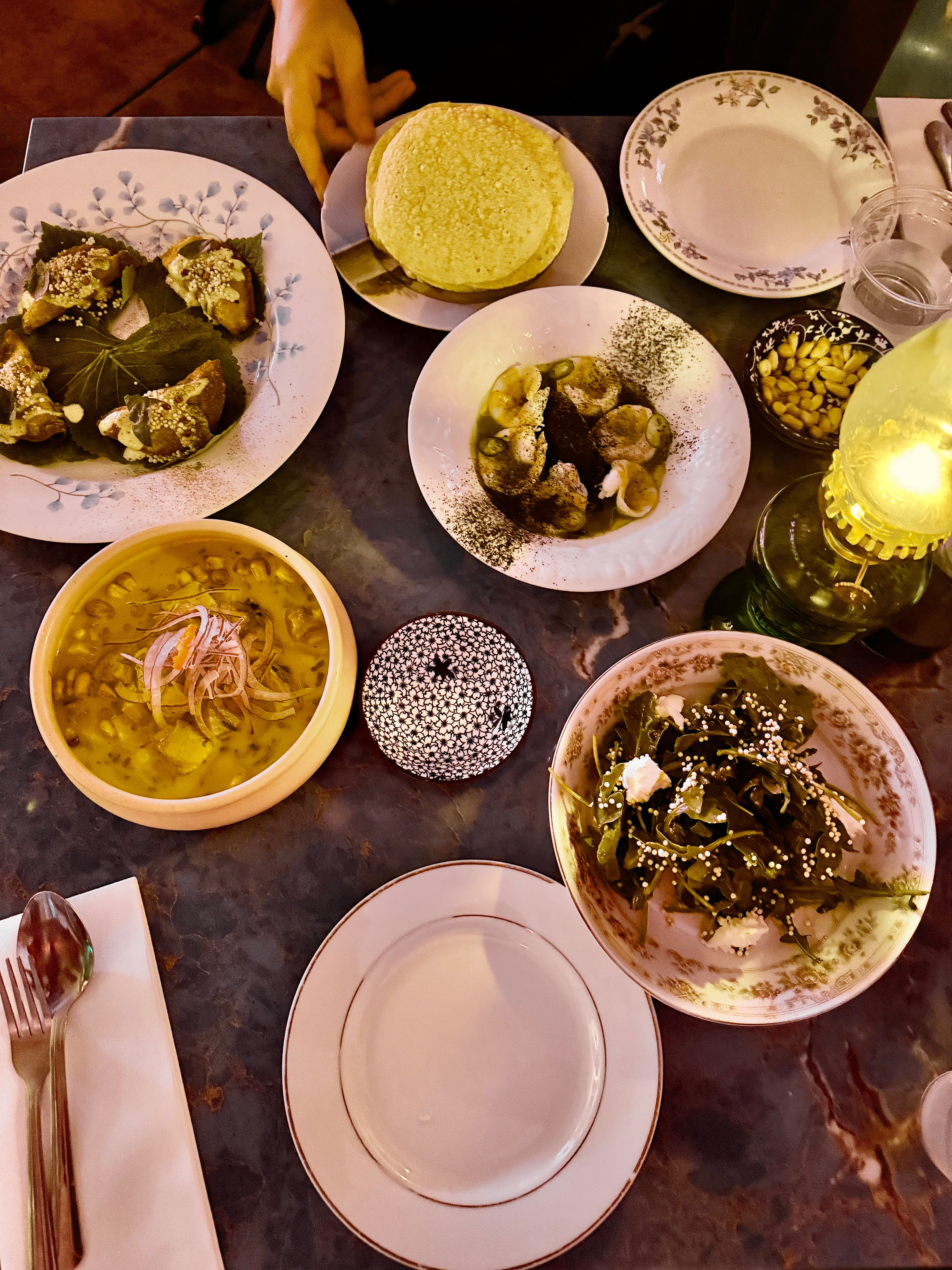
At a small square table, I pressed the edge of my tostada to keep its crisp crown from cracking, then layered it with ribbons of blue prawn, each slice shimmering under its coat of emerald-green, citrus-bright ceviche. One bite and I was elsewhere, by the ocean, where the sun’s warmth is tempered by a salt-sweet breeze and the soft susurration of coconut leaves brushing against each other.

Acid is one of the kitchen’s most thrilling sleights of hand. It brings a certain brightness, a spark, the sharp inhale of the sour taste that can lift a dish from pleasant to unforgettable. It reshapes what it touches: curdling milk into the cool tang of yogurt through the gentle work of lactic acid, loosening the taut web of gluten in bread dough with the mellow vinegar notes born of fermentation, coaxing meat into tenderness in a marinade. And here, in this ceviche, it takes the sea’s raw offering and, with a kiss of citrus, turns it into something luminous and new.

My friend and cookbook author, Rie McClenny, and I had come to The Hummingbird Ceviche House in Echo Park, a Peruvian-Japanese restaurant that hums with the precision of one cuisine and the exuberance of the other. Plate after plate arrived, each one a testament to the quiet magic of acid and the way it can transform the ordinary into something unforgettable.


Inorganic vs. Organic Acids

But here’s the thing: not all acids are created the same, and because of this, their behaviors are different. In chemistry, acids fall into two groups: inorganic and organic acids. Inorganic acids are acids that aren’t built on a carbon backbone like organic acids – citric or lactic acid, which do show up in cooking, though they’re far less common than organic acids. The ones we use are almost always very diluted because concentrated forms can be dangerous.

Not all acids are created equal, and in the kitchen, their personalities show. Some are sharp and industrial, others soft and fruit-born; each behaves differently, each with its way of coaxing flavor into life. In chemistry, they fall into two families: inorganic and organic.

Inorganic Acids

Inorganic acids are the quieter, rarer guests in the home kitchen. They don’t arrive in the squeeze of a lemon or the brine of a pickle jar, but they still have their place in the greater food world.

Hydrochloric acid (HCl) lives naturally in our stomachs, breaking down what we eat. In food production, when it’s tamed to safe, delicate dilutions, it can help in processes like starch hydrolysis, gelatin making, or crafting certain candies. But it’s far too corrosive to ever keep on the pantry shelf.

Phosphoric acid (H₃PO₄) is more familiar, hiding in the deep, dark sweetness of cola,

Read more

Tomatillos and the Flavor Maximizing Power of Heat

10 August 2025 at 11:02

A big congratulations to Dale Goldberg, Carlos Castro, and Steph Fuller—winners of Boustany by Sami Tamimi! Thank you for being part of The Flavor Files community. Keep an eye out—more giveaways are on the way soon.


green and yellow vegetables in brown plastic container

This week, we’re diving into the world of high heat and its transformative effect on flavor, with a special spotlight on tomato’s green cousin, the tomatillo. These little green gems are packed with sharp acidity that cuts through richness, and when roasted, they mellow into a smoky, slightly sweet flavor profile that becomes the base for countless dishes. I’ll share my recipe for a bright and bold salsa verde, perfect for tacos, grilled veggies, and beyond. And, as stone fruit season hits its peak, I’m also sharing some of my favorite ways to cook with peaches, apricots, and plums, celebrating the fleeting flavors of summer. Get ready to bring out the best of the ingredients of the season!

Science Spotlight: Why High Heat = Big Flavor

Ever wonder why your food won’t brown? It might be your heat. This week’s short video is a quick flavor science breakdown on why searing matters (it’s less about burning, more about building).

🎥 Watch the video


The Secret Life of Tomatillos (and the Sauce That Saves Me)

Tomatillos are deceptive. They masquerade as green tomatoes, wrapped in husks that rustle like old paper. Peel one open and you’ll find a sticky film clinging to the skin, a natural shield made of sugars and acids. Rinse it away, and the fruit beneath is startling: firm, luminous, quietly electric.

But there’s more to that brightness. Tomatillos brim with malic acid (and citric acid), the same compound that makes green apples sharp and snappy. Unlike tomatoes, they don’t sweeten as they ripen. Their acidity holds. It’s why they make such compelling sauces, they slice through richness, wake up oil, tame heat. They lift.

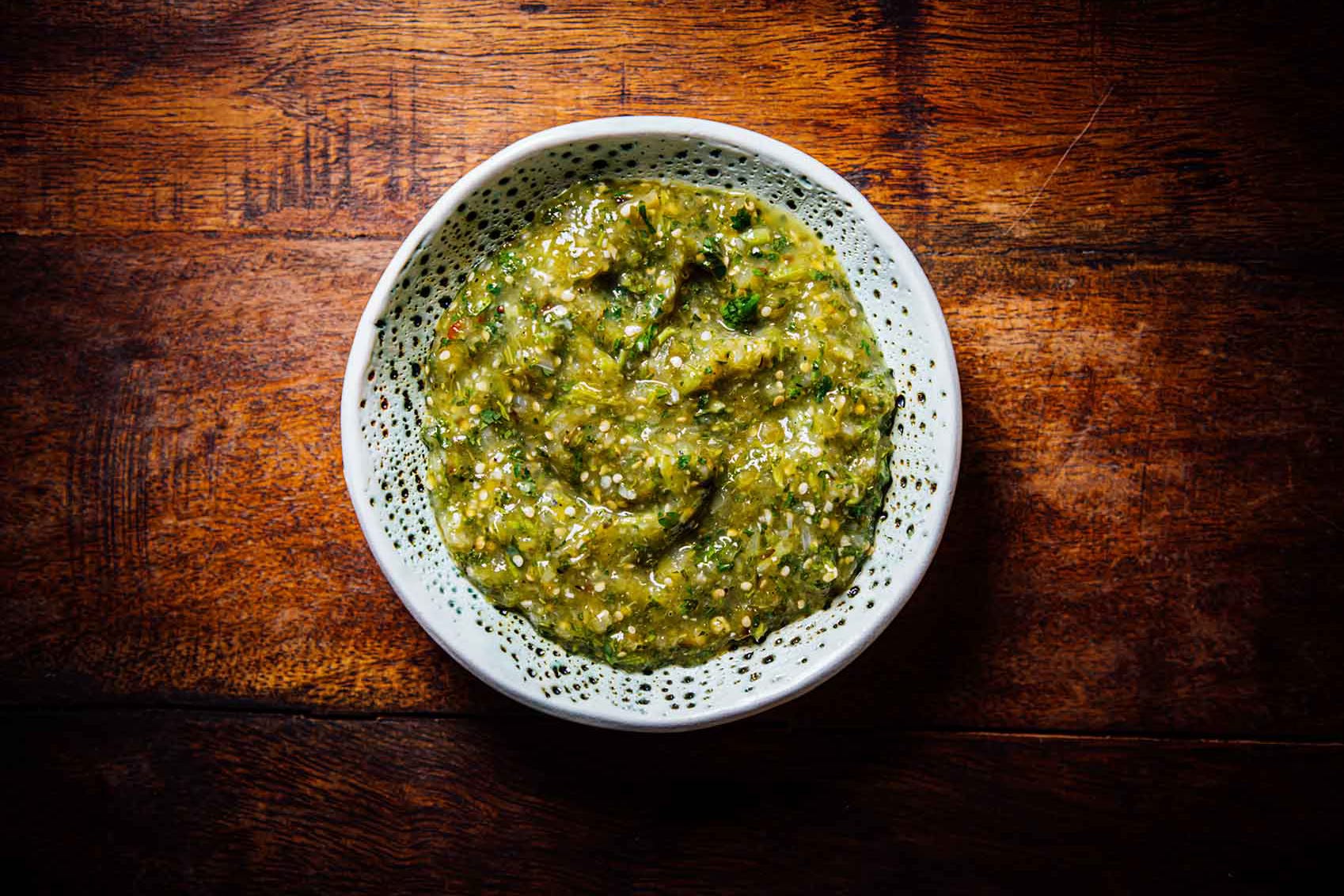
Roast them, though, and their sharpness softens. The skin blisters, the flesh collapses. You still get that green note, but it’s mellowed; smoky, slightly sweet, a little sultry. In my kitchen, they become the base of a salsa verde I return to again and again. Grilled tomatillos meet charred garlic, serrano chiles, herbs, and toasted nigella seeds. The result is something bright and bold, with just enough fire to keep it interesting, and enough depth to anchor a dish.

There are days when dinner feels like a question I don’t have the energy to answer. When the fridge offers little inspiration, and I need something that makes a meal out of not much at all. That’s when I reach for this salsa.

Not the jarred stuff (there’s nothing wrong with buying jarred stuff, but in this case, making your own is worth the extra effort). But the type you can make with whatever green you’ve got: a handful of herbs, maybe roasted scallions or a softening jalapeño, a squeeze of lime, a little olive oil. Sometimes I add an anchovy. Sometimes yogurt. Sometimes it’s just tomatillos, garlic, and salt. There are no rules. Only green.

And that’s the beauty of salsa verde. Wherever it comes from, Mexico (Mexico inspires today’s recipe), Argentina, Italy—it doesn’t ask for precision. It just shows up. You stir it into yogurt, and suddenly you’ve got a sauce for grilled zucchini or fish. Dollop it onto eggs, and breakfast feels intentional. Swirl it through potatoes or noodles, spoon it over roast chicken, drag a crust of bread through it, and call that dinner.

It stays humble, just a green sauce in a jar. But somehow, it makes everything taste like more.

This week, I’m sharing my version: smoky, herbaceous, flecked with the markings of brutal heat. I make things in double batches because I know they won’t last.

The recipe’s below. And a few ideas on how to use it, beyond tacos (though put it on tacos).

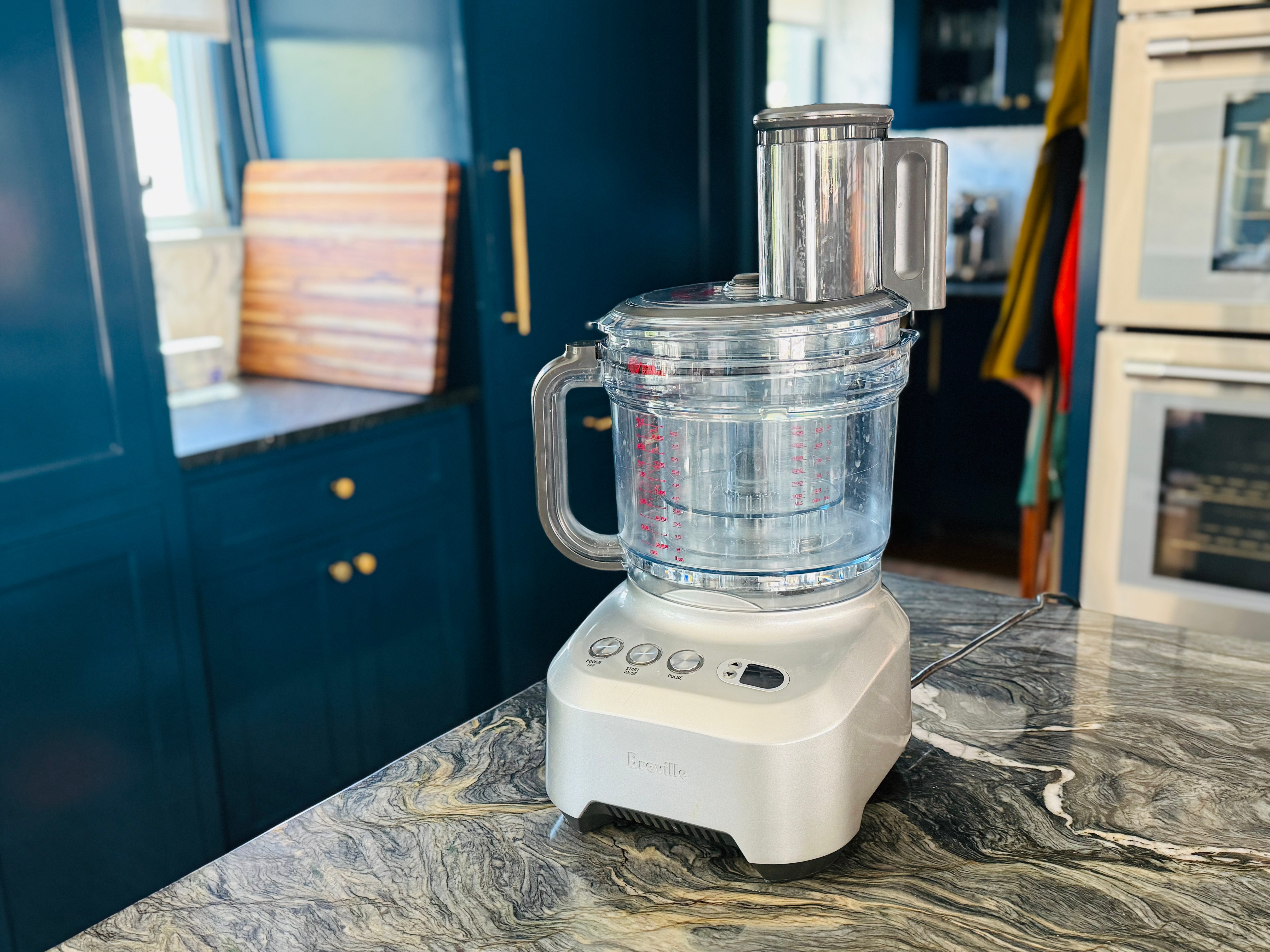
Time Saving Appliance Hack: Recipes like this used to mean a whole lot of chopping, mashing, and mixing, an arm workout disguised as dinner prep. Back in the day, you’d be breaking a sweat over a mortar and pestle. I, however, would like to personally thank modern civilization for the invention of the food processor, which has saved me countless hours. My favorite is the Breville Sous Chef 16. Once you get food processor-addicted, it’s hard to quit!

Here’s to the sauces that save us.

Salsa Verde

Beyond the Chip: 11 Delicious Ways to Use Salsa Verde

1. Swirled into Yogurt. Instant creamy dressing. Spoon it over grilled zucchini, roasted carrots, or steamed potatoes. Bonus: it doubles as a killer dip for crudités or spoon bread.

2. On Your Eggs (Any Style). Fried, scrambled, or poached, whatever your allegiance, salsa verde adds just the right amount of brightness and heat. Try it with jammy eggs and toasted sourdough.

3. As a Soup Finisher. Drizzle over black bean soup, dal, or a brothy chicken stew. It adds acidity and freshness like a squeeze of lime, but better.

4. In a Sandwich. Use it like a spread: slather it inside a roast chicken sandwich, grilled cheese, or breakfast burrito. Especially good with melty cheese.

5. Tossed with Noodles or Pasta. Thin with pasta water and toss with noodles, feta, and any roasted veg you’ve got lying around. Or swirl it into cold soba with sesame oil and a squeeze of lime—also, a great way to build flavor into a pasta salad.

6. As a Marinade Base. Add a splash of olive oil and use it to marinate shrimp, mushrooms, tofu, chicken, or steak. Grill or roast, and let the salsa do the heavy lifting.

7. Mixed into Beans or Lentils. Hot or cold, salsa verde + legumes = flavor-packed meal prep. Add some grains and call it a salad.

8. Tucked into Tacos (Obviously) But also: try it on quesadillas, tostadas, and even smashed avocado toast.

9. Drizzled over Roasted Potatoes. Or sweet potatoes. Or grilled corn. Or honestly, anything starchy and golden.

10. Stirred into Rice or Quinoa. Use it like a finishing sauce. Add herbs, a handful of nuts or seeds, maybe a little cheese. Suddenly, it’s a composed dish.

11. As a Pizza Topping (Yes, really). Dollop it over a white pizza with goat cheese or feta, or swirl it onto a crust before adding toppings. It adds that herbaceous zing that cuts through fat like a dream.


Stone Fruit Season Is Fleeting—Here’s How I’m Cooking Through It

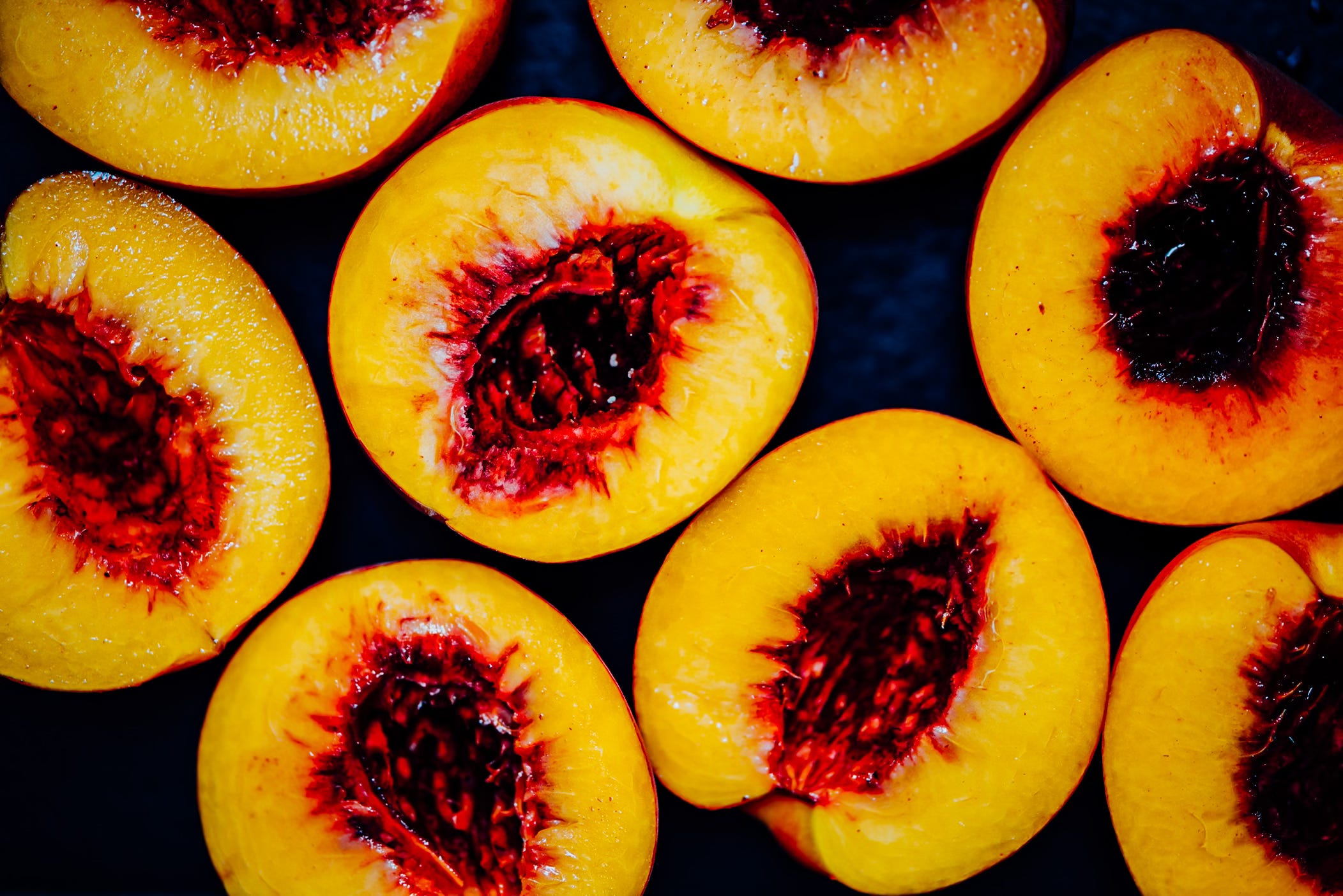
Late summer is when stone fruit truly comes into its own. The peaches are soft and perfumed, dripping with juice. Apricots glow golden-orange like little suns. And plums—whether midnight purple or soft pink—hold their tart sweetness just beneath the skin, waiting for the first bite.

This produce doesn’t need much dressing up. Just a little heat, the right spice, maybe a good swirl of cream or a crackle of crust. These are the fruits I reach for now, when the sun is still high but the days are getting shorter—my way of capturing a season that always seems to slip away too quickly.

So I’ve pulled together some of my favorite ways to cook with stone fruits: recipes that are easy, vibrant, and full of flavor. Some sweet, some savory, all built to let the fruit shine.

Sweet Recipes to Savor. There’s the Peach, Cardamom, and Saffron Cake, warm and fragrant like late afternoon sun. A Peach Thai Basil Clafoutis, which feels just fancy enough for a dinner party but simple enough for a weekday bake. Pumpkin Apricot Bread straddles the seasons—still golden and soft, but with a whisper of autumn spice. And if you're craving something cool, try the Peach and Elderflower Ice Cream—floral, creamy, and utterly dreamy.

Savory with a Stone Fruit Twist. Fruit doesn't have to mean dessert. My Spice-Roasted Chicken with Peaches is rich and aromatic, the peaches collapsing into their sauce. And the Grilled Peach Salsa with Steak Salad is a riot of textures—smoky, juicy, crisp, and fresh all at once.

A Few More Favorites I like to tuck away a few jars of Apricot Lemon Orange Jam for later—the kind of thing that turns toast into a moment. There’s a Peach and Mint Lassi that’s cooling and gently sweet, and my Dried Apricot, Fig, and Almond Oatmeal Cookies, which are as good with afternoon tea as they are for breakfast on the go.

Whether you’re loyal to peaches, smitten with plums, or quietly hoarding apricots, I hope you find something in this collection that makes you pause, spoon in hand, and think: yes—this is what summer tastes like.

See all the recipes below—and if you make one, I’d love to hear what you think.

Easy Flavorful Stone Fruit Recipes

Smoked, Mashed, and Magical: Baingan Bharta

3 August 2025 at 11:01

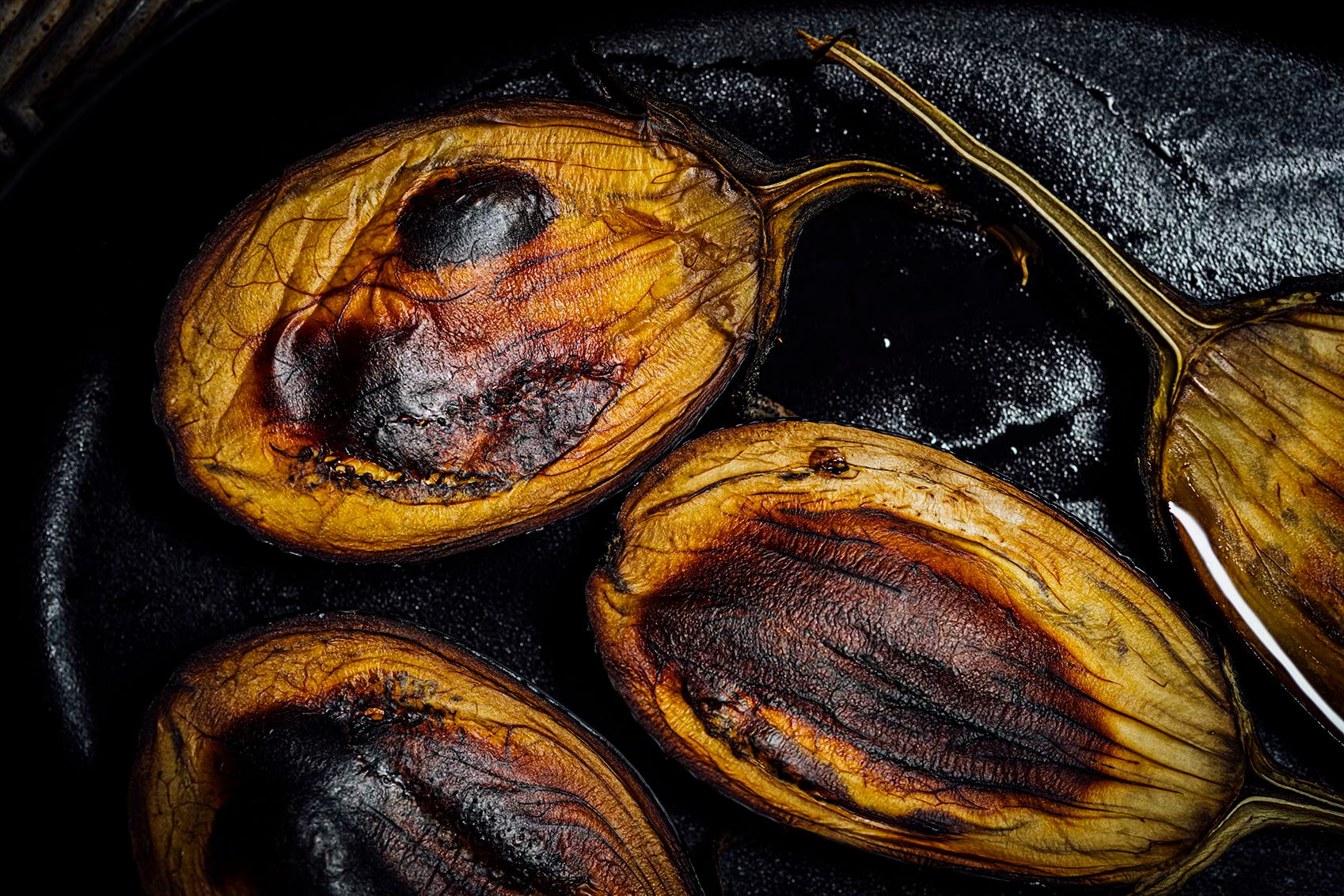
I’ve always found it quietly amusing that two of my favorite fruits—peaches and eggplants—have become internet shorthand for things far cheekier than their culinary uses. But today, we're steering clear of thirst traps and heading into the kitchen, where the eggplant, aka aubergines or brinjals, gets the attention it truly deserves. This is your little guide to cooking eggplants like a pro, with science-backed hacks, practical tips, and the kind of detail that makes all the difference. And then, there’s the reward: baingan bharta, that intensely smoky, soft-spoken yet powerful Indian classic. It’s comforting, iconic, and—if you ask me—just about the best way to eat an eggplant.

In this paid subscriber newsletter, you will…

  • Learn why I often quickly microwave eggplant before frying

  • Get to know the smoky, spiced magic of baingan bharta and how it varies across the Indian subcontinent

  • Get my recipe for the baingan bharta that I make at home!

And don’t miss Sami Tamimi’s Eggplant & Chickpeas with Green Lemon Sauce/ Bitinjan ma’ Hummus that I shared last week!


🔬 Kitchen Chemistry: Cooking Eggplant Like a Pro

Here’s a collection of eight clever, science-backed kitchen hacks for cooking with eggplant—whether you're roasting, frying, grilling, or storing them. These tips can help you get the most flavor and best texture out of every eggplant dish:

1. Salt for Better Texture (and Less Bitterness)

Why it works: Salt draws out excess moisture via osmosis, collapsing air pockets, and preventing sogginess when cooking. It also tames bitterness in older or larger eggplants, more so by masking the bitterness (and not destroying the bitter compounds as previously thought). However, farmers have selectively bred out bitterness from eggplants, and today’s eggplant doesn’t taste bitter, so this is now less of a concern. 

How to do it:

  • Slice or cube eggplant.

  • Sprinkle with kosher salt and let sit for 30 to 60 minutes in a colander.

  • Pat dry (no need to rinse and pat dry, unless you do end up oversalting).

Bonus: This hack helps prevent your eggplant from soaking up too much oil during frying or roasting.

2. Choose the Right Variety

Not all eggplants behave the same.

Read more

The Recipes We Carry

27 July 2025 at 08:52

What Went Down in the Kitchen

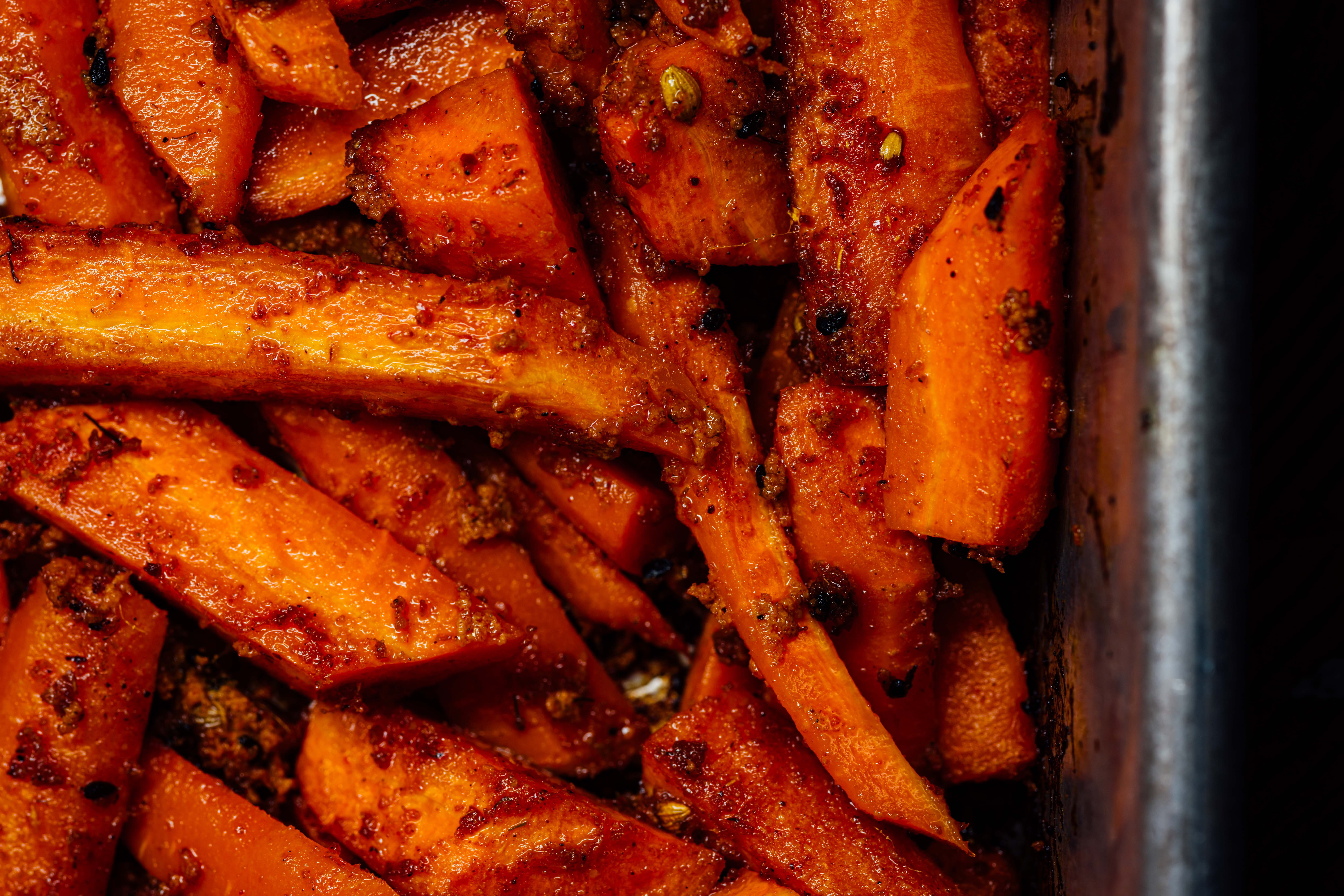
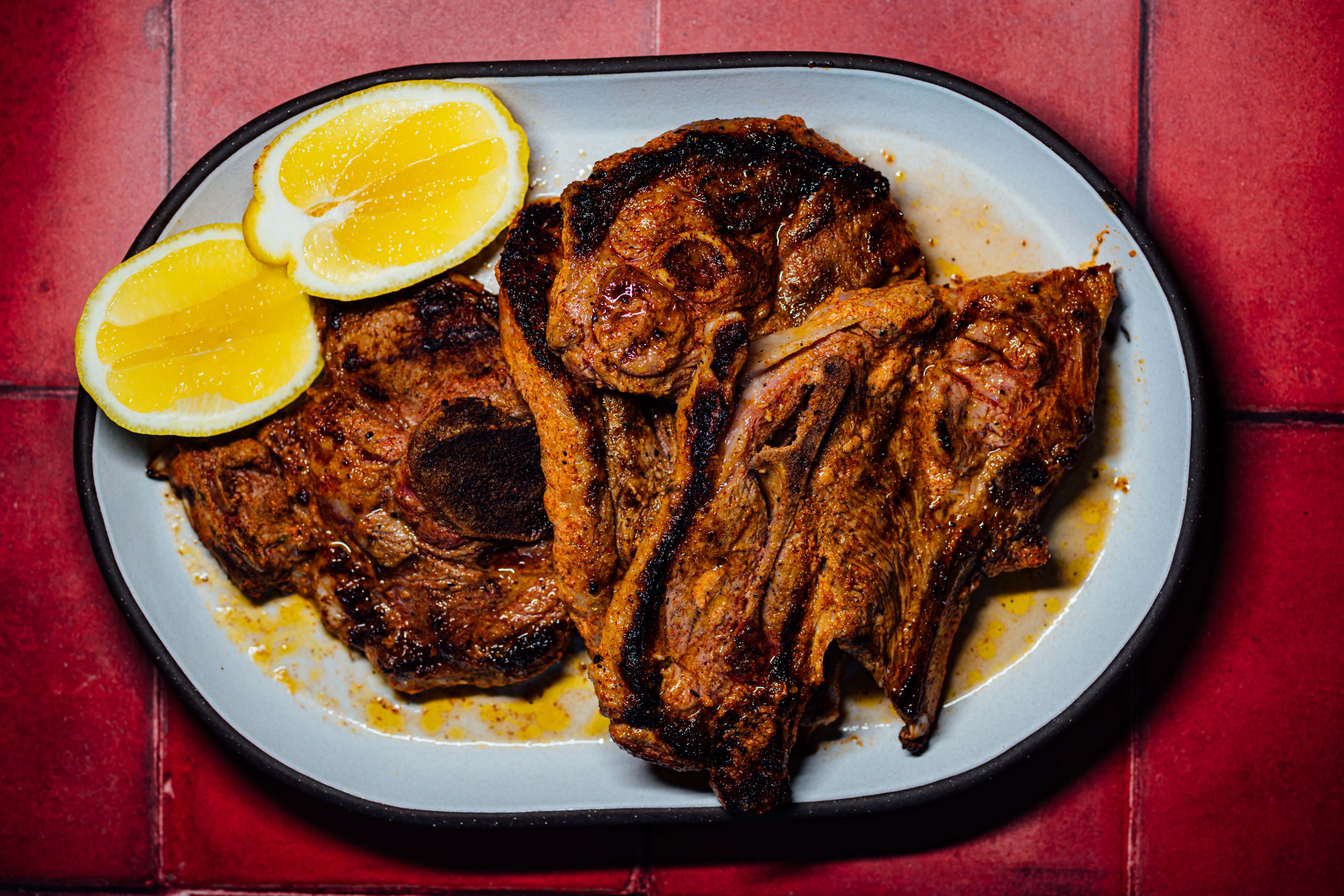
For the past few weeks, I’ve been on a bit of a tandoori bender. We’ve made skillet naan (because not all of us have a clay oven in our backyard), fast and fancy tandoori lamb, oven-roasted tandoori salmon over at America’s Test Kitchen (yes, it works, no, your smoke alarm won’t love it), and even grilled carrots because... vegetables deserve a smoky glow-up too.

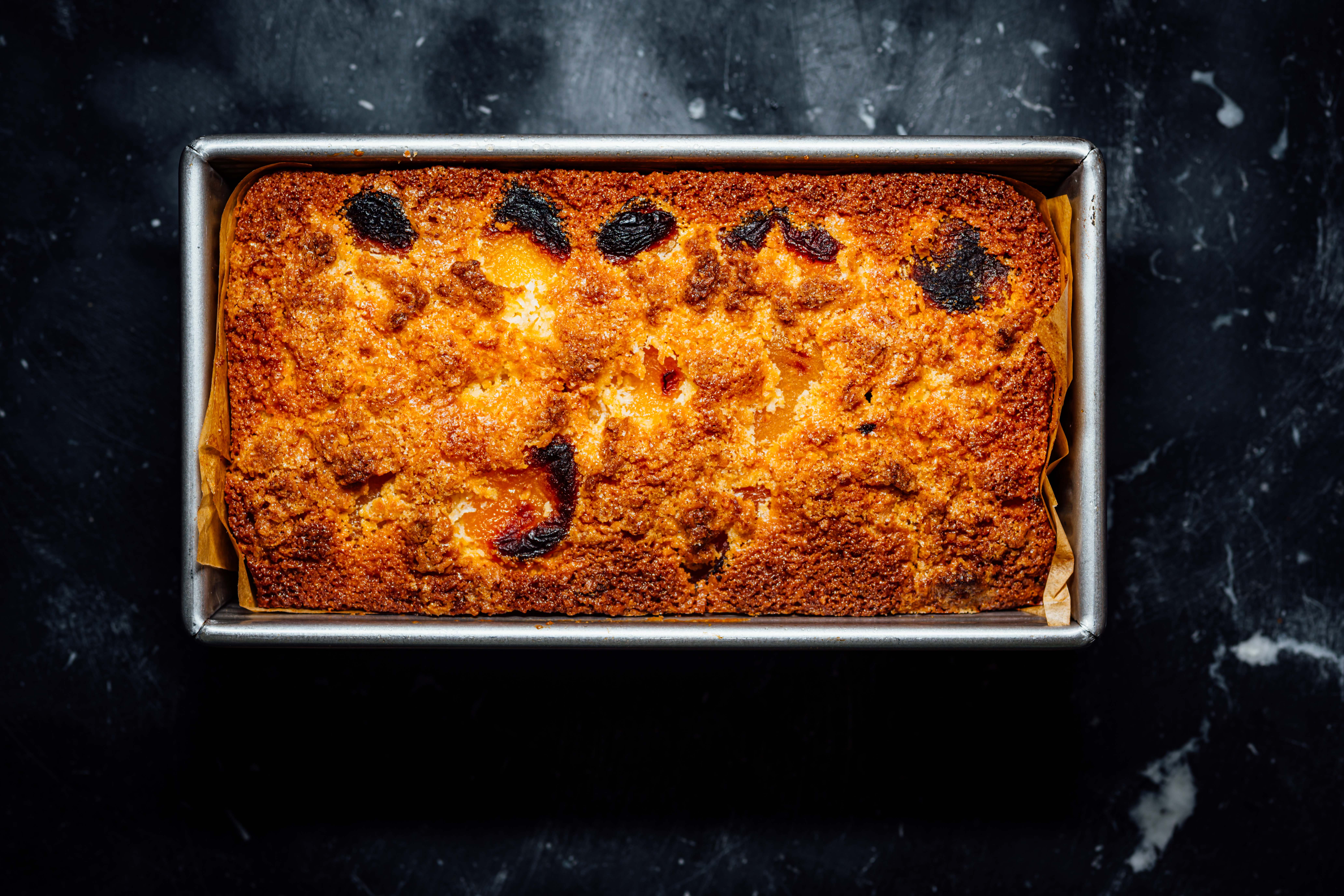
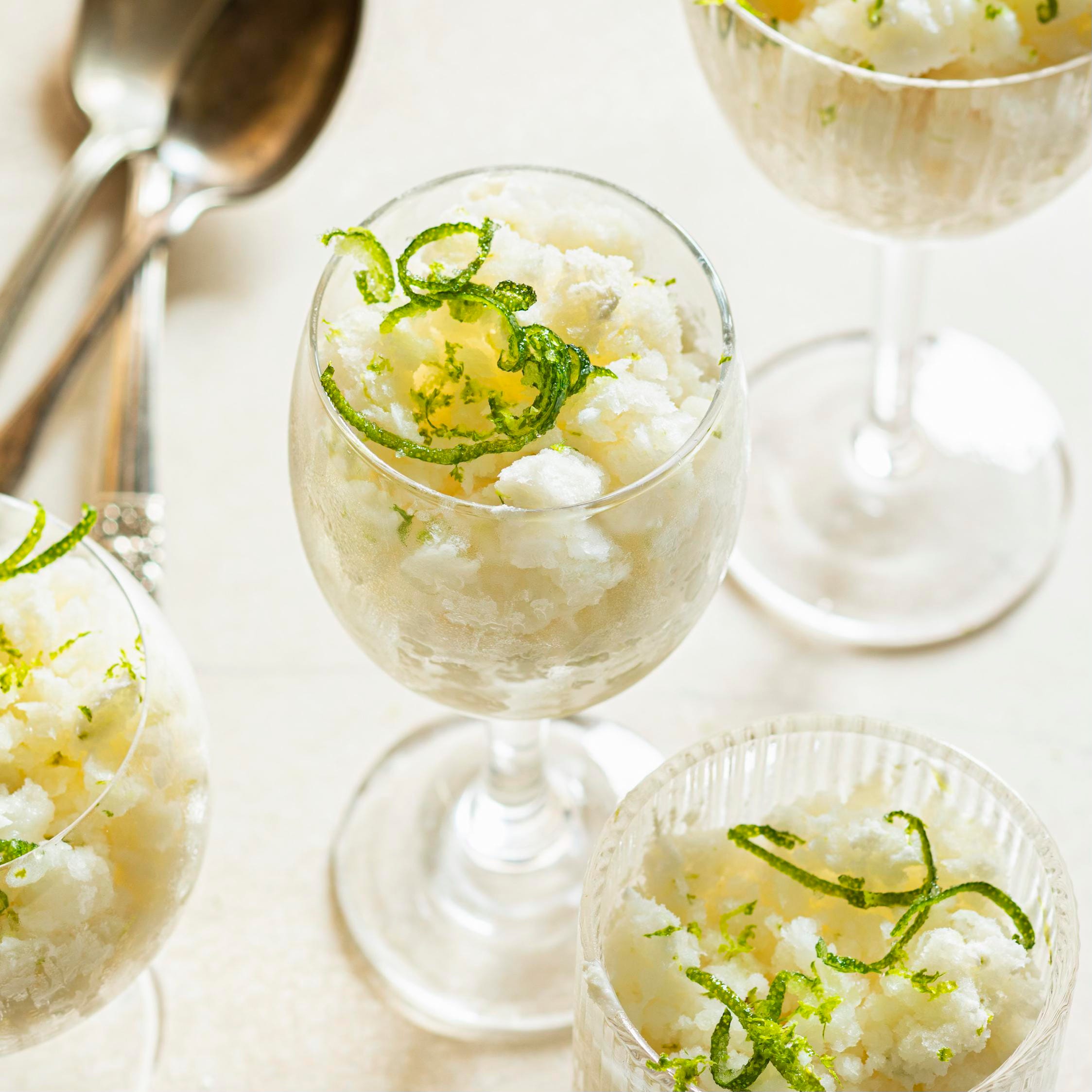
And just when things were getting a little too hot, we cooled it all down with a Coconut Lychee Lime Granita. It’s icy, floral, and the opposite of standing over a grill in August, which is to say, highly recommended. Plus a double feature on apricots, featuring an Apricot Lemon and Orange Jam with a hint of orange blossom water, and an Apricot Coconut Cake laced with cardamom, accompanied by a sweet coconut crumble.

I’d love to see how you take these recipes and techniques — whether it’s tandoori-style grilling or turning fruit into frosty magic — and make them your own. Use them as a jumping-off point, remix them, and tag me on social media when you do. That’s where the real fun (and flavor) begins.


August’s Flavor Forecast

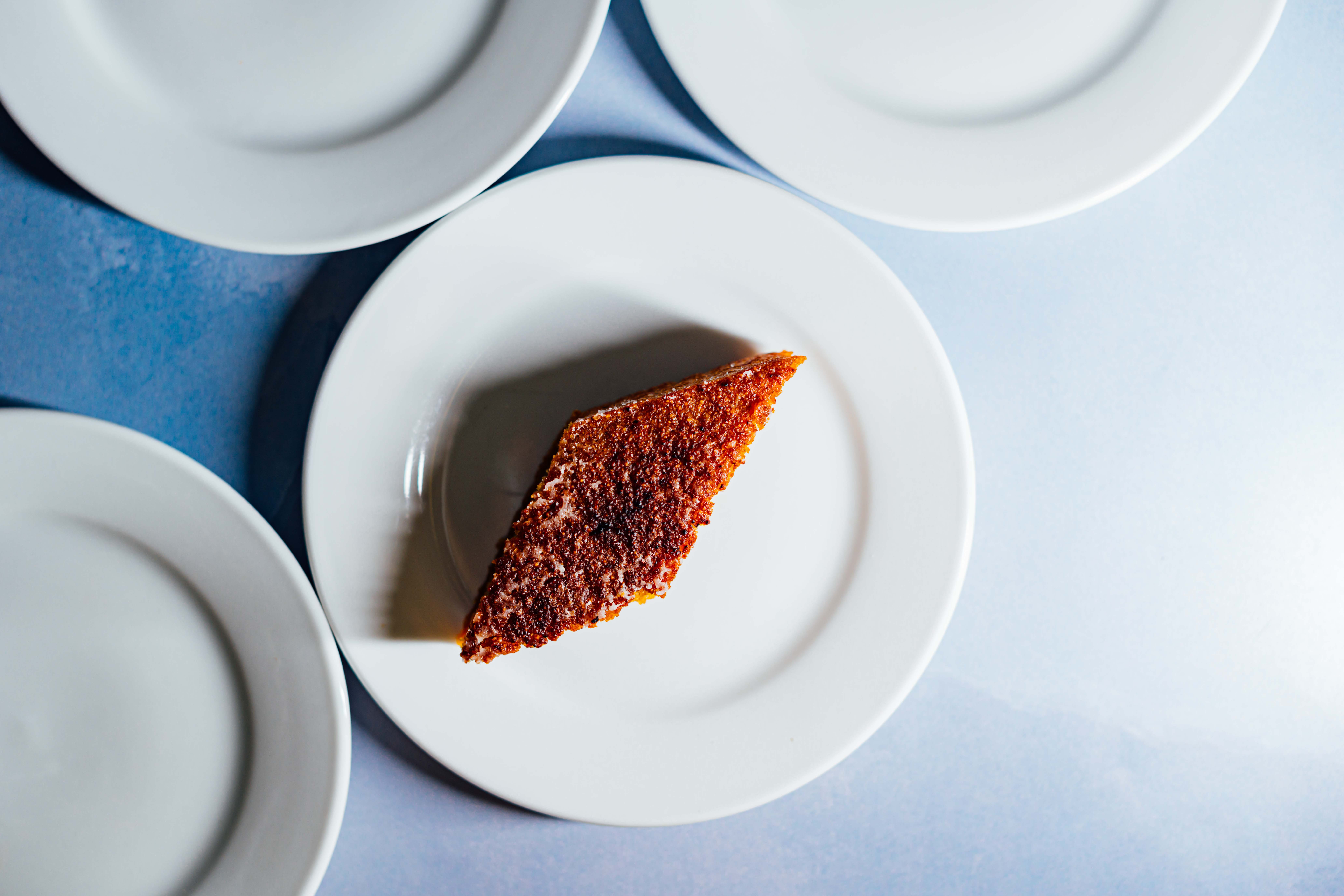
This month’s recipes are basically a vacation in your kitchen, with just enough heat to make things exciting (hello, spicy shrimp roast) and plenty of cool-downs to keep you sane. We’re twirling noodles through no-cook tomato sauces that taste like you’ve been simmering them for hours (spoiler: you haven’t), tossing preserved lemon spaghetti like it’s our full-time job, and letting miso crash the pasta party in the best way possible. There’s a retro-crunch iceberg salad, a garlic-zucchini-yogurt situation that’s begging to be scooped with everything, and desserts that scream summer: roasted strawberries with balsamic, popcorn ice cream (yes, you read that right), and a peach-saffron cake that’s basically August in a slice. Oh—and my Bombay lemonade, because we’re fancy and hydrated! Let’s cook.

August Recipe Digest


What I’m Reading

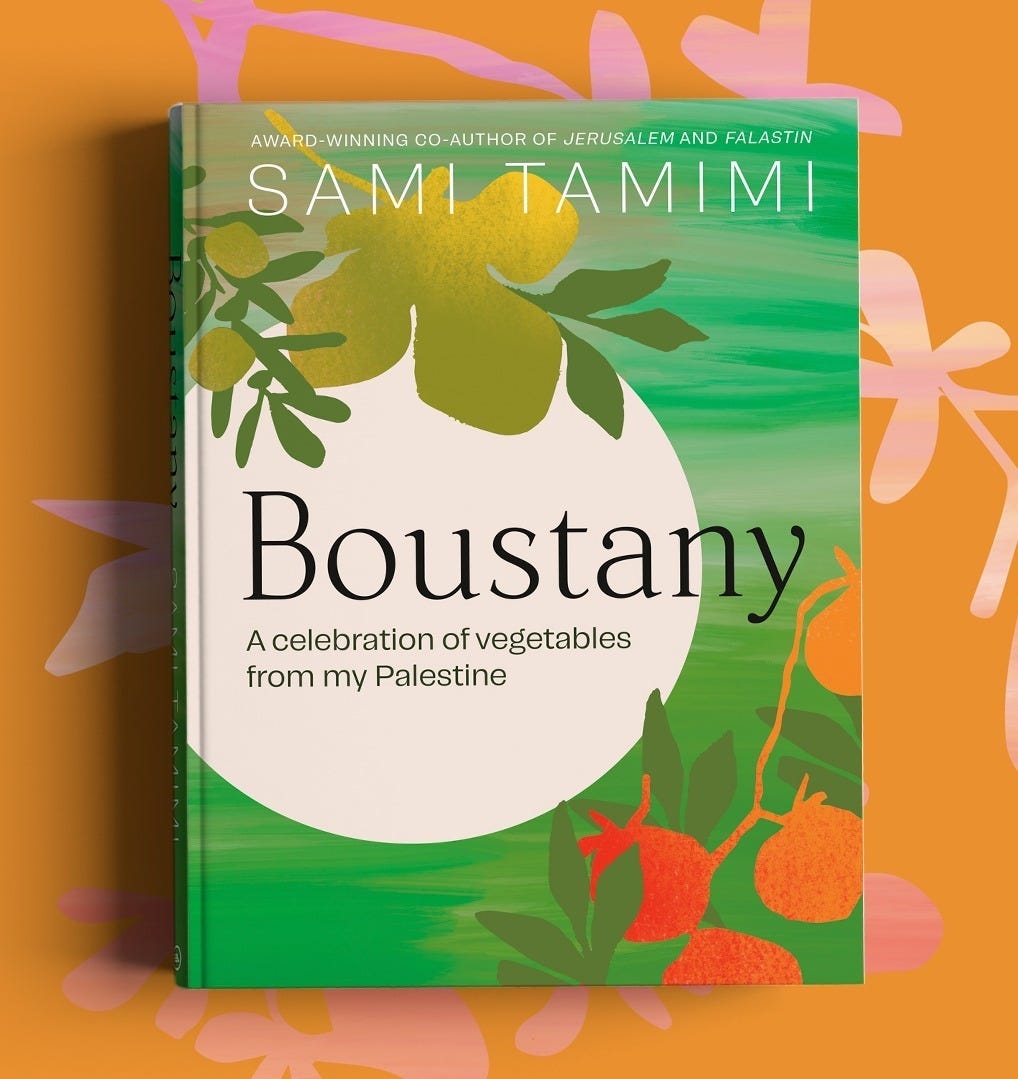
I’m looking forward to my upcoming conversation with chef and author . I don’t say this lightly: Boustany is one of the most soulful and evocative cookbooks I’ve encountered in years (and I’m featuring a recipe from it this week!). I have always admired Sami’s work. Sami has a rare talent for weaving stories through food, and in Boustany, he shares them on a deeply personal level—braiding memory, displacement, and identity into every dish and every word.

The very title, “Boustany,” translates to “my garden” in Arabic—an apt, lyrical name for a cookbook devoted to the bounty of vegetables. The word itself conjures visions of his maternal grandparents’ garden in Hebron, teeming with vibrant fruits and lush greens, and of a childhood spent wandering the hills of the Old City of Jerusalem, foraging alongside his parents. During the long days of the pandemic, Sami found solace in tending his own garden in Umbria, Italy, letting the act of nurturing plants ground him. Throughout the pages of his book, one theme stands out clearly to me: the elegance of cooking with simplicity, making the most of a few humble ingredients, leaning on the pantry, which is filled with foods like preserves, fermented foods, and pickles that carry memories of tradition throughout the year.

Sami’s book isn’t just a collection of recipes; it’s a tender tribute to Palestinian people, their kitchens, and the homes many have left behind, a reminder of the endurance of culture expressed through flavor and ritual.

My copy is already bristling with bookmarks: the Freekeh-Stuffed Peppers, Two-Lentil Mejadra, Tomato Arugula Walnut Salad, and the Jerusalem Sesame Bread Nests, where each nest cradles a golden-yolked egg. These are recipes I know I’ll return to again and again, not just for their taste but for the stories they carry. Boustany is a book to cook from, yes—but also to sit with, to reflect on, and to cherish.

Join us live TODAY at 12 pm ET on Substack Live. (Missed today’s Substack Live at noon? Paid subscribers to Flavor Files+ can now watch the full conversation below.)


Recipe

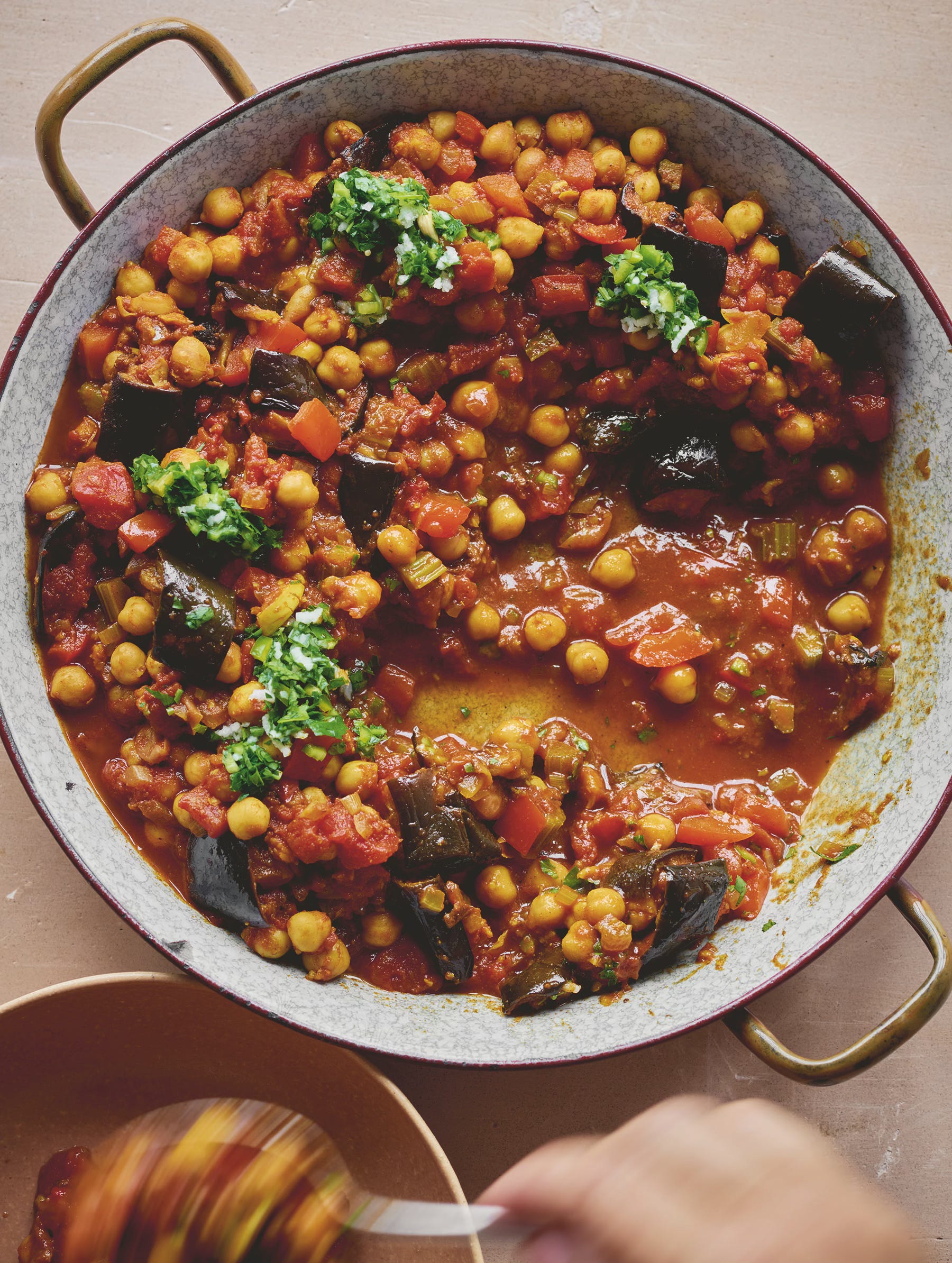
The recipe is this week is Eggplant & chickpeas with green lemon sauce/ Bitinjan ma’ Hummus, direct from Sami’s book.

There are many kinds of eggplant and tomato dishes in the Middle East, each with its own distinct character, and this eggplant and chickpea stew is no exception. It’s a hearty dish that combines the meatiness of the eggplant, the nutty-creamy texture of the chickpeas and the umami of the tomato sauce, all complemented by the zesty
green chile sauce.

Make the Recipe

Live Chat & Boustany Giveaway! This Sunday

25 July 2025 at 14:30

📚 Don’t Miss This Sunday’s Live Chat — Plus a Boustany Book Giveaway!

Just a quick reminder that this Sunday at 12pm ET, I’ll be going live on Substack with the one and only Sami Tamimi to talk about his stunning new book, Boustany.

It’s going to be a relaxed, flavor-filled conversation about the stories, dishes, and inspiration behind the book — and we’d love to have you join us.


🎁 And we’re giving away 3 copies of Boustany

Here’s how to enter*:

🥘 1 copy will go to someone who attends the live chat this Sunday. Just show up and you’re in the running.

👥 2 more copies will go to readers who do the following:

  • Are active subscribers to both my Substack and Sami’s

  • Refer at least one person to either of our newsletters (mine or Sami’s — your choice!)

That’s it! Referrals are tracked automatically by Substack, so just use the button below, and I’ll know. The more people you refer, the better your chances.

Refer a friend

*Must be in US, Canada, or UK to be eligible for giveaway based on publisher requirements


📍 How to Join the Live Chat

  • Join here on Sunday around 11:55am ET (Please use this link, we had to update it from the last email!)

  • You can tune in via the Substack app (get push alerts!) or any web browser. We’ll re-send out the link to join Sunday right before the live chat.

  • Can’t make it? I’ll post the recording in my archive!

Hope to see you Sunday — and good luck in the giveaway!

— Nik

This Sunday: A Flavorful Live Chat with Sami Tamimi on Boustany

23 July 2025 at 14:02

👋🏽 I’m thrilled to be hosting a live conversation with the brilliant Sami Tamimi to talk about his beautiful new book, Boustany — a deeply personal project that blends food, memory, and heritage from Palestine.

This will be a casual, live chat where we’ll talk about the inspiration behind the book, favorite dishes, ingredients, and the stories woven through it all.

🗓 When: This Sunday at 12 pm ET
📍 Where: Join via the Substack app (for iOS or Android) or your web browser
📲 Tip: If you have the app, you’ll get a push notification when we go live — but the app isn’t required! I’ll also send you an email.

💬 You can listen in, ask questions, and be part of the conversation. And we’ll be doing a book giveaway!

How to join:
Just click here Sunday a few minutes before 12pm ET. If you’re subscribed, you’ll also get a reminder when we go live.

Whether you’ve already devoured Boustany or are just curious about the stories behind it, I hope you’ll stop by!

— Nik

Apricots, But Make It Science, Nostalgia, and a Cake You’ll Probably Gatekeep

20 July 2025 at 11:02

If you're in the US or UK, it's peak stone fruit season (Aussie and Kiwi friends and family—you’re deep in winter, but your time will come!). And one of my FAVORITE stone fruits is apricots. The velvety golden-orange skin and sweet-tart flavor just bring me peak summer joy, and all my worries fade away. In this paid subscriber newsletter, you will…

  • Learn why I use underripe apricots for jams (and other science cooking facts)

  • Get my kitchen hacks to maximize flavor and a culinary use for those apricot pits you might not be aware of!

  • Make Apricot Lemon Orange Jam and Apricot Coconut Semolina Cake with the two exclusive recipes I’m sharing

But before we get to the good stuff, I need your quick input! I’m planning a series of chats for all subscribers with some of my favorite cookbook authors and want to know who you want to hear from most! Click below, answer 2 quick questions, and THANK YOU!

Author Chat Survey

🔬 Apricot Science Facts to Help You Cook

1. Their golden-orange color = carotenoids (like beta-carotene).
These antioxidants are fat-soluble, meaning absorption improves when paired with

Read more

🔥 From Fire to Ice: Tandoori Grilled Carrots + the Granita I Can’t Stop Scraping

13 July 2025 at 11:00

It’s peak grilling season—and peak produce season, and I can’t think of a better way to bring the two together than with tandoori vegetables. Smoky, spiced, deeply charred, and boldly flavored, tandoori-style cooking works surprisingly well with the right vegetables. But the trick? Choosing the ones with the structure to hold up to the heat.

If you’ve ever tried tossing delicate zucchini rounds or thinly sliced eggplant into a hot oven or onto the grill, only to watch them collapse into a mushy mess. In that case, you already know: not all vegetables are built for this kind of intensity. Tandoori cooking requires vegetables with sturdier textures—ones that can absorb a marinade, withstand high heat, and develop a smoky crust without falling apart.

That’s why I’m reaching for crunchy, firm carrots this summer.

Carrots (especially thick ones, halved or quartered lengthwise) are just the kind of vegetable that thrives in this environment. They grab the spiced yogurt mixture beautifully, caramelize in all the right places, and pick up that slightly charred, smoky flavor that makes tandoori cooking so irresistible.

Why Sturdier Vegetables Work Better:

Tandoori-style cooking relies on a high-heat environment (traditionally a clay tandoor, but at home, we use the oven, grill, or even a cast-iron pan). At these temperatures, water evaporates quickly. Vegetables with low water content and higher structural integrity, like carrots, cabbages, beets, sweet potatoes, celeriac, and even cauliflower, don’t collapse or weep as easily. They develop a seared exterior while the insides cook to tender perfection.

Science Corner:

The proteins in yogurt help with browning, thanks to the Maillard reaction. Acids from lemon juice or vinegar will help brighten the flavors. And when you pair that with sturdy produce, the result is a vegetable with flavor that’s both deep and bright—smoky, tangy, and kissed with spice.

In this week’s post, I’m sharing my recipe for Tandoori-Roasted Carrots —a dish that’s as good hot off the grill as it is at room temperature. It’s simple, vibrant, and makes a strong case for why vegetables deserve a spot in your upcoming cookout lineup. Use this tandoori spice mixture to experiment with other vegetables too. 

Tandoori Grilled Carrots

Why I Avoid Calling this Tandoori Spice Blend a Marinade

We often assume that marinades will "tenderize" vegetables in the same way they can with meat. This likely comes from a surface-level association: "marinate = make soft + flavorful." But the science behind how marinades interact with meat and vegetables is fundamentally different.

The Science: Meat vs. Vegetables

Meat

  • Meat is mainly composed of protein fibers (like collagen and myosin), which are tough when raw.

  • Marinades that contain acids (such as lemon juice or vinegar), enzymes (like bromelain in pineapple), or salt can denature proteins and break down connective tissue, thereby helping to tenderize meat.

  • Time matters: the longer the marination (within limits), the more opportunity for these effects to take place.

Vegetables

  • Vegetables are primarily made of cellulose, hemicellulose, and pectin—structural carbohydrates that don't respond to acid or salt in the same way proteins do.

  • Acids do not break down vegetable fibers the same way they do meat proteins.

  • Acidic marinades can sometimes firm up vegetables (think of how pickling crisps cucumbers).

  • Additionally, many vegetables have a high water content and absorb flavors more rapidly than meat, so prolonged marination isn't necessary.

Why This Matters in Cooking

  • Vegetables don’t need to be tenderized by a marinade. What they do need is surface flavor and sometimes a brief soak to allow salt, acid, or aromatics to cling or slightly permeate.

  • Over-marinating some vegetables (like zucchini or mushrooms) can lead to sogginess, off-textures, or overpowered flavors.

When and Why to Marinate Vegetables

  • Short marination (15 to 30 minutes) can add flavor without compromising texture.

  • Use marinades more for seasoning and caramelization (especially before grilling or roasting), rather than for tenderizing.

  • Vegetables like carrots, sweet potatoes, and cauliflower—those with denser cell structures —can benefit from longer marination, but not for tenderness. It's more about flavor absorption and surface browning.

Happy Grilling,

Nik


Coconut-Lychee Granita: The Summer Dessert I Can’t Stop Making (and Scraping)

We’ve had our moment with hot and spicy—now let’s cool off with something icy, floral, and ridiculously easy.

This Coconut-Lychee Granita is the chilled sweet treat I recently made at America’s Test Kitchen, and it’s giving you a tropical vacation in a bowl (or directly out of the freezer, no shame).

I love a frozen dessert that doesn’t require an ice cream maker, candy thermometer, or seven bowls in the sink. This Coconut-Lychee Granita is just that—and frankly, it’s the dessert I wish I had every time I’ve opened the freezer in July and found nothing but a tragic half-bag of peas.

This one’s got tropical flavor turned up to eleven: I toast the coconut to unlock its nutty, almost buttery aroma, then steep it in coconut milk so it infuses every bite with richness. Lychees bring that floral, perfume-y sweetness that feels nearly too luxurious to be this easy. A splash of lime juice adds a bright, punchy note, rather than a sugary sweetness.

And the texture? This is where the science gets fun. Sugar doesn’t just sweeten; it helps manage ice crystal formation. That means delicate flakes you can scrape with a fork and spoon straight into your mouth (or your guests’ if you’re sharing, but no judgment if you aren’t).

You can make this ahead, forget about it, and then casually serve it after a grilled dinner, as if you’re the kind of person who always has a granita on hand. Which, honestly, you might become.

Recipe’s below—go make it, freeze it, and thank yourself in a few hours.

Make My Granita

Note: This recipe resides on ATK and is free. I love seeing you share your excitement! ATK makes several recipes from the residency available for free. You may need to enter your email address so they can send you more great content, but you can always opt out at any time. I’ve been a longtime subscriber to their newsletters and have found them super valuable. I hope that helps clarify how to access these co-created recipes—we put a lot of love into them, and I’d love for you to give them a try! I appreciate your support!

Bonus Video: Master Tandoori Lamb with Me!

9 July 2025 at 15:02

Miss my Tandoori Lamb recipe earlier this week? Or prefer more visuals when cooking? Well you are in luck! I made a short video of my recipe. You can almost smell the aroma through the screen…Kashmiri Chili, Garlic, Ginger, Lemon… As a paid subscriber, enjoy this bonus content this week! Full recipe linked below so you don’t have to search your inbox.

Read more

Tandoori Isn’t a Spice Blend

6 July 2025 at 11:01

This week, we continue our exploration into tandoori flavor and technique. In this new newsletter format for my paid subscribers, I’ll provide a deeper dive into how this flavor is created and the techniques that are critical to achieving the right result. Keep reading to…

  • Learn common tandoori spices and the importance of the marinade

  • Get my tandoori lamb recipe (simple enough for weeknight dinner yet delicious enough for a dinner party)

  • Recommended go-to resources and my favorite books for Tandoori cooking and recipes

Read more

Secrets of the Tandoor: What You Won’t Learn at Your Local Takeout

29 June 2025 at 11:01

Welcome to The Flavor Files (New and Improved)! Thanks for being a loyal subscriber to my work. Your support means a lot, and I recently shared a survey to make sure I’m providing you more of what you crave! Thanks for all the responses, suggestions, and comments! I’m making a few tweaks to my Substack going forward, based on this, and I wanted to share what you can expect.

If you are a free subscriber:

  • At least 2 new recipes a month

  • More “weeknight meals” with quick recipes

  • More vegetables!

  • More of the “science behind food”, ingredients, techniques, etc.

If you are a paid subscriber:

  • All free subscriber content

  • At least one additional monthly recipe, with a focus on flavor inventiveness

  • In-depth video demos (recipes, techniques, ingredient deep dives, science!)

  • Access to past Substack recipes

  • Pre-public and exclusive access to events, classes, and new books

Newsletters (for now) will continue to be released on Sundays, featuring both free and paid content every other week. If you are a free subscriber, don’t fret! You’ll also get a preview of the new paid content, so you can decide what’s best for you. I appreciate everyone’s support, regardless of subscriber level!

Need my latest cookbook, Veg-Table, in your kitchen? Grab a copy here—your veggies will thank you. 🌱💥

Now let’s get into the good stuff. 🔥 This month will be all about TANDOORI!

The Flavor Files is a reader-supported publication. To receive new posts and support my work, consider becoming a free or paid subscriber.

Share The Flavor Files


Before we jump into tandoori food, next weekend is the long July 4th holiday, and I’ve got my curated list of recipes for you right here! It’s time to plan your ultimate summer menu! This roundup is packed with easy and crowd-pleasing 4th of July recipes—think grilled hot dogs with all the fixings, fresh and colorful summer salads, backyard-style pizzas, and homemade ice cream that’ll cool everyone down. Whether you’re hosting a party or heading to a potluck, these festive July 4th dishes are guaranteed to bring the flavor and keep your guests happy from the first bite to the fireworks.


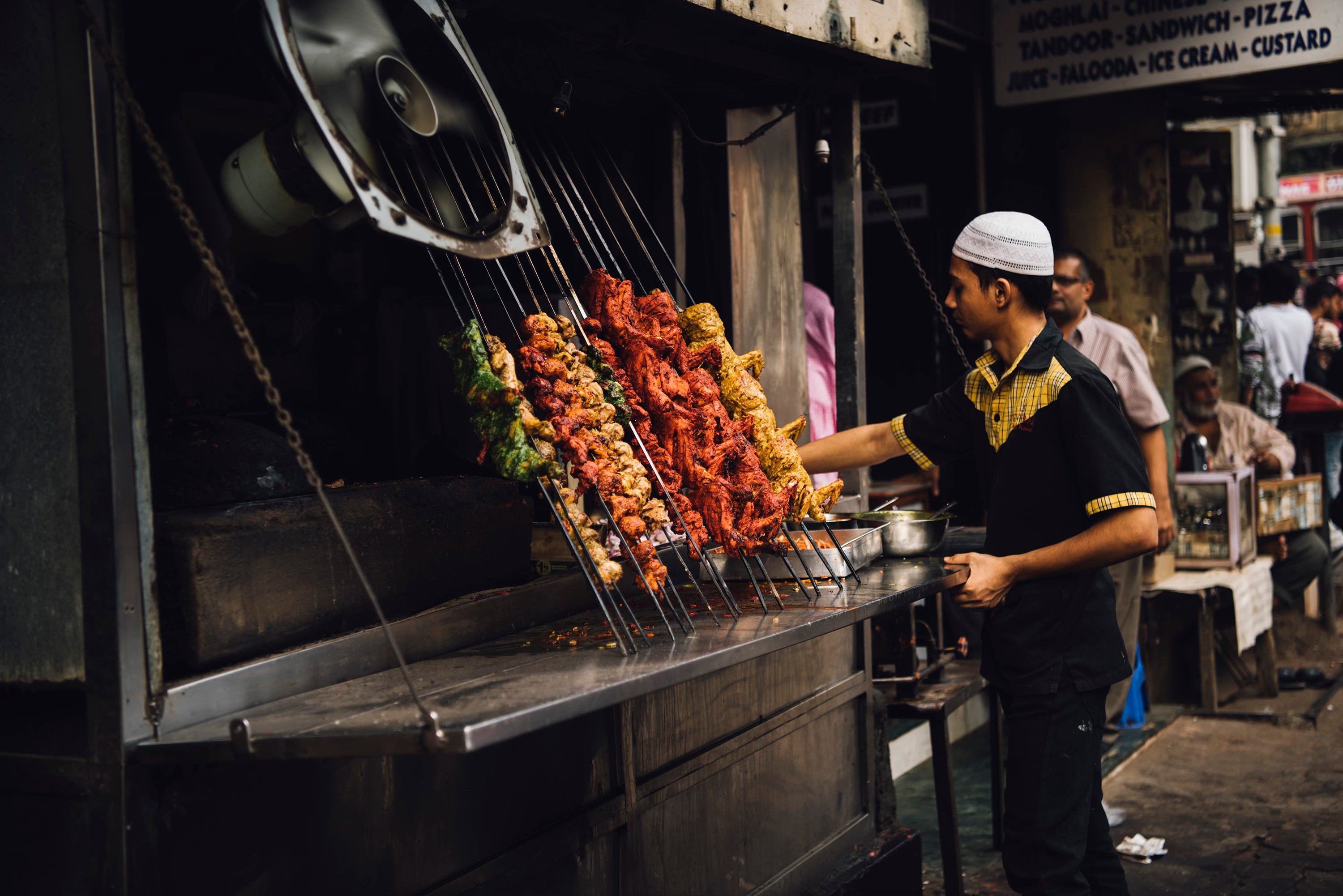
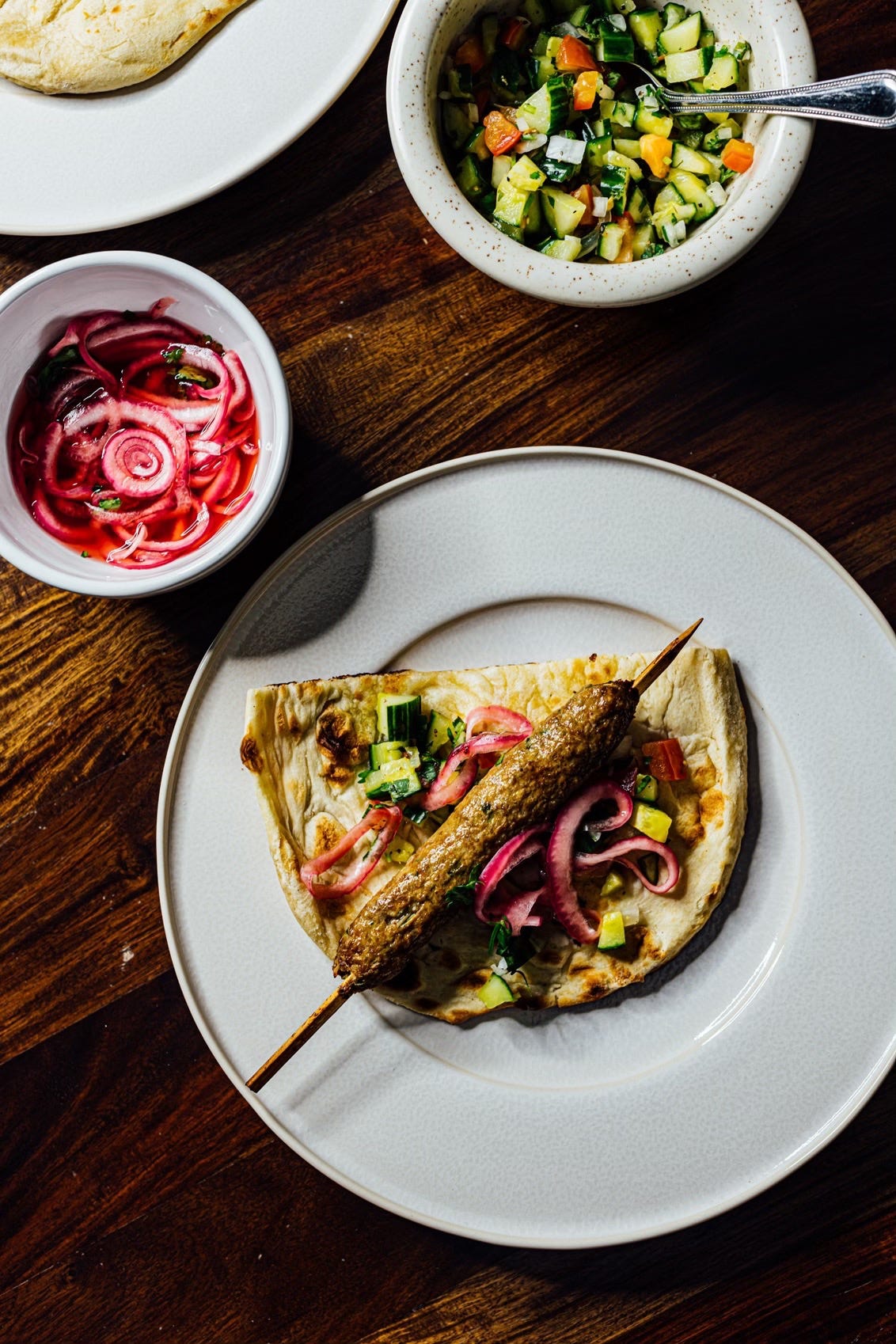
Kebab Stall in South Bombay, India/ Season Chronicle Books (2018) (C) Nik Sharma

🔥 Fire, Flavor, and Fermentation: The Magic of Tandoori Cooking

I have many fond memories of slipping out late at night with my friends to sneak to the southern tip of Bombay (Mumbai) in India, just to eat kebabs and naan at the famous Bademiya. They served all the North Indian and tandoori dishes we loved, as well as dishes we never had at home, from creamy, tangy butter chicken to spicy chapli and seekh kebabs and caramelized, succulent paneer on skewers, which we enjoyed with fresh, hot naan. It was a joy! And I was young enough to do this a few times a week. It was one of the most rebellious things I did as a kid because I never divulged the details of these trips at home. 

Over the next few weeks, we’ll delve into the world of tandoori cuisine, exploring its origins, techniques, and flavors, and even prepare a few dishes together along the way.

There are several reasons why tandoori dishes, such as naan, aren’t prepared at home even in India. Naan is not a daily Indian bread made at home; skillet-prepared rotis and parathas are. The most common reason for this is that a tandoor, the clay oven used to make naan, is large and impractical to keep at home. In India, most people (like we did) will go to a restaurant, and if they’re fortunate to have outdoor space, will hire a chef to haul in a portable tandoor and make it in their backyard.  

Tandoori cooking isn't just for chicken. Lamb, fish, shrimp, vegetables, paneer, and even breads like naan and a special version of roti called tandoori roti are prepared in this oven. When most people hear tandoori, they think tandoori chicken—bright red, smoky, served on a sizzling platter. But the technique behind it goes far deeper than a marinade or color. Tandoori cooking is one of the oldest and most flavorful high-heat cooking methods around, and it’s worth knowing for more than just its restaurant fame. Interestingly, while we associate it with North Indian and Pakistani cuisines, this oven has a rich history. 

Tandoors date back to ancient civilizations, including the Indus Valley, where communal ovens were often dug into the ground. The word tandoor likely comes from the Persian tanūr, meaning fire oven.

While tandoors have been used for centuries across South and Central Asia, modern tandoori cooking, as we know it today, was popularized in post-Partition Delhi in the 1940s by Punjabi restaurateurs, who brought the technique from cities like Peshawar and Lahore, now in Pakistan. In India, Kundan Lal Gujral, who opened Moti Mahal in Delhi, is credited with popularizing dishes that we know today, including butter chicken (murgh makhani), dal makhani (butter lentils), and tandoori chicken.

Dal Makhani from The Flavor Equation/Chronicle Books 2020 (C) Nik Sharma

🪵 What Is Tandoori Cooking, Really?

At its essence, tandoori cooking is about fire, flavor, and speed. Food is roasted inside a tall, cylindrical clay oven called a tandoor, where wood or charcoal creates blazing heat. Temperatures can soar past 900°F [480°C], cooking food in minutes while sealing in moisture and infusing it with a deep, smoky intensity.

It’s part wood-fired grill, part natural convection oven. Radiant heat from the clay walls, convection from the swirling air, and live smoke all work in tandem, layering texture and flavor with every second.

Traditional tandoors are built from clay, sometimes reinforced with sand, straw, or hay, then insulated with brick. Clay holds and radiates heat beautifully, echoing ancient methods of cooking meat directly over coals.

Using a tandoor is a craft.

Even now, when I visit India, I’ll linger by restaurant kitchens to watch the tandoor cooks in action, slapping dough against the scorching walls for naan, turning skewers of marinated kebabs with practiced precision. There’s a rhythm to it, a speed born of necessity. When the oven’s that hot, there’s no time to hesitate.

I don’t own a tandoor—yet.

This month, in a special series, I’ll show you how to bring those bold, fire-kissed flavors into your home kitchen, no clay oven required. There’s a gleaming stainless steel tandoor I’ve been eyeing for years, still on my wishlist, waiting for the right moment.


A Little Cultural & Historical Context

Tandoors date back to ancient civilizations, including the Indus Valley, where communal ovens were often dug into the ground. The word tandoor likely originates from the Persian tanūr, meaning fire oven.

While they're used across Central and South Asia (and even parts of the Middle East), tandoori cooking as we know it was popularized in post-Partition Delhi in the 1940s, thanks to Punjabi restaurateurs who brought the technique from what is now Pakistan.

And that vivid red hue? Traditionally, it comes from chili and turmeric, but in restaurants, food coloring is often added for consistency and drama.


The Science Behind the Flavor

A few cool things happen when you cook this way:

  • Maillard Reaction: That blistered, charred exterior? It’s a product of the Maillard reaction, which caramelizes the surface and builds flavor fast.

  • Yogurt Marinades: The lactic acid and enzymes in yogurt help tenderize proteins while clinging to the surface, with no runoff like watery marinades.

  • Spice oils + Heat: Spices like earthy cumin, sweet green cardamom, citrusy coriander, and smoky Kashmiri chili contain volatile oils that release their full aroma under high heat, meaning the hotter the oven, the bigger the flavor. Kasoori methi, or dried fenugreek leaves, is another ingredient you will often come across; it is used in many of these dishes to add a sweet scent. 

And fun fact: Even vegetables benefit from these effects. Cauliflower, sweet potatoes, and paneer all caramelize beautifully in tandoori-style cooking. 

It’s Not Just About Chicken

Tandoori lamb chops, fish, shrimp, and even duck take beautifully to the heat. But vegetables are an unsung hero here, cauliflower, potatoes, carrots, even Brussels sprouts caramelize and char to sweet, smoky perfection.

Don’t forget paneer. Cubes of fresh cheese bind marinades and retain their shape when cooked under high heat, making them ideal for skewering.

If you don’t have a tandoor (and let’s face it, most of us don’t), you can still get close:


Let’s start with Naan?

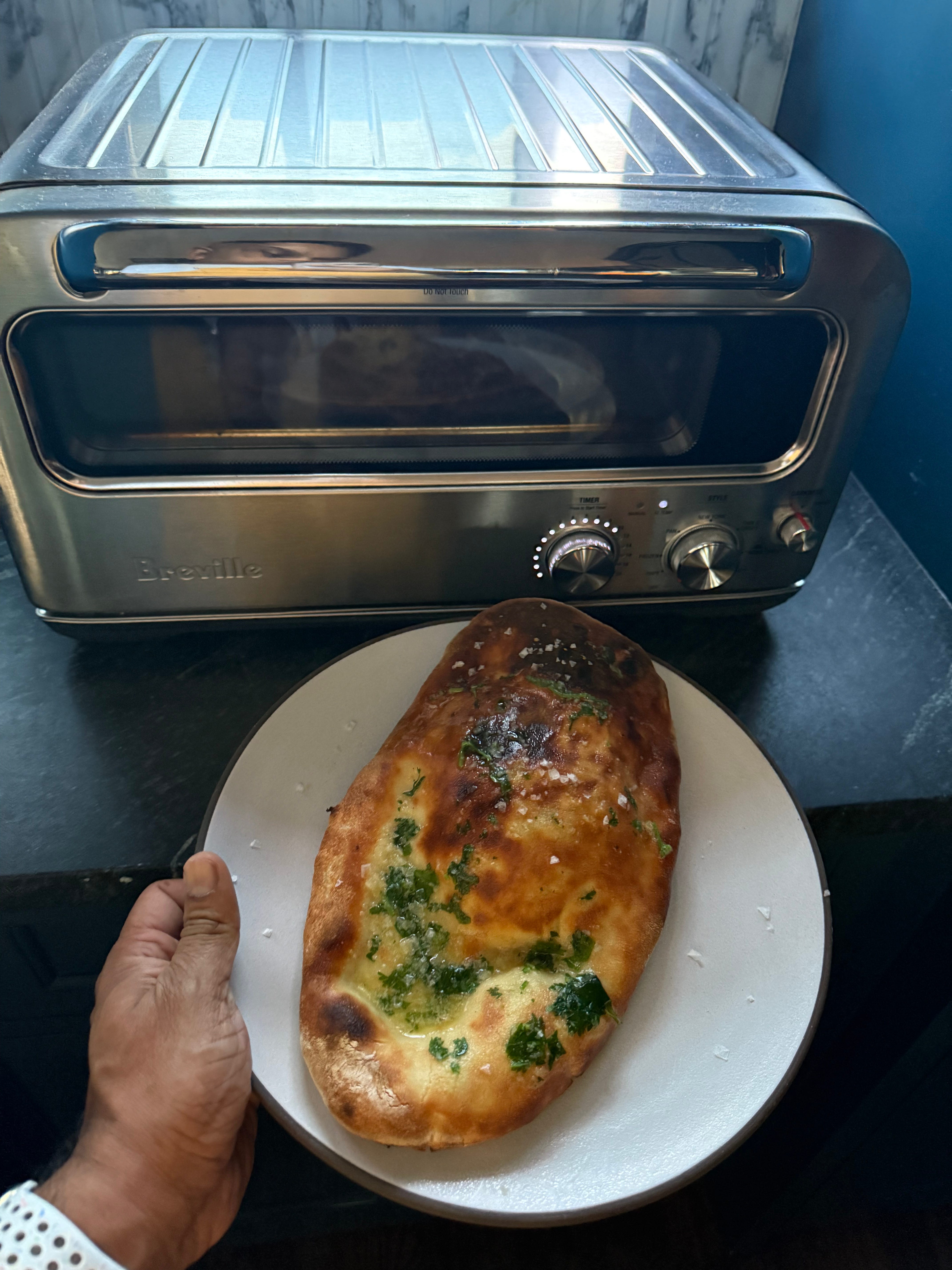
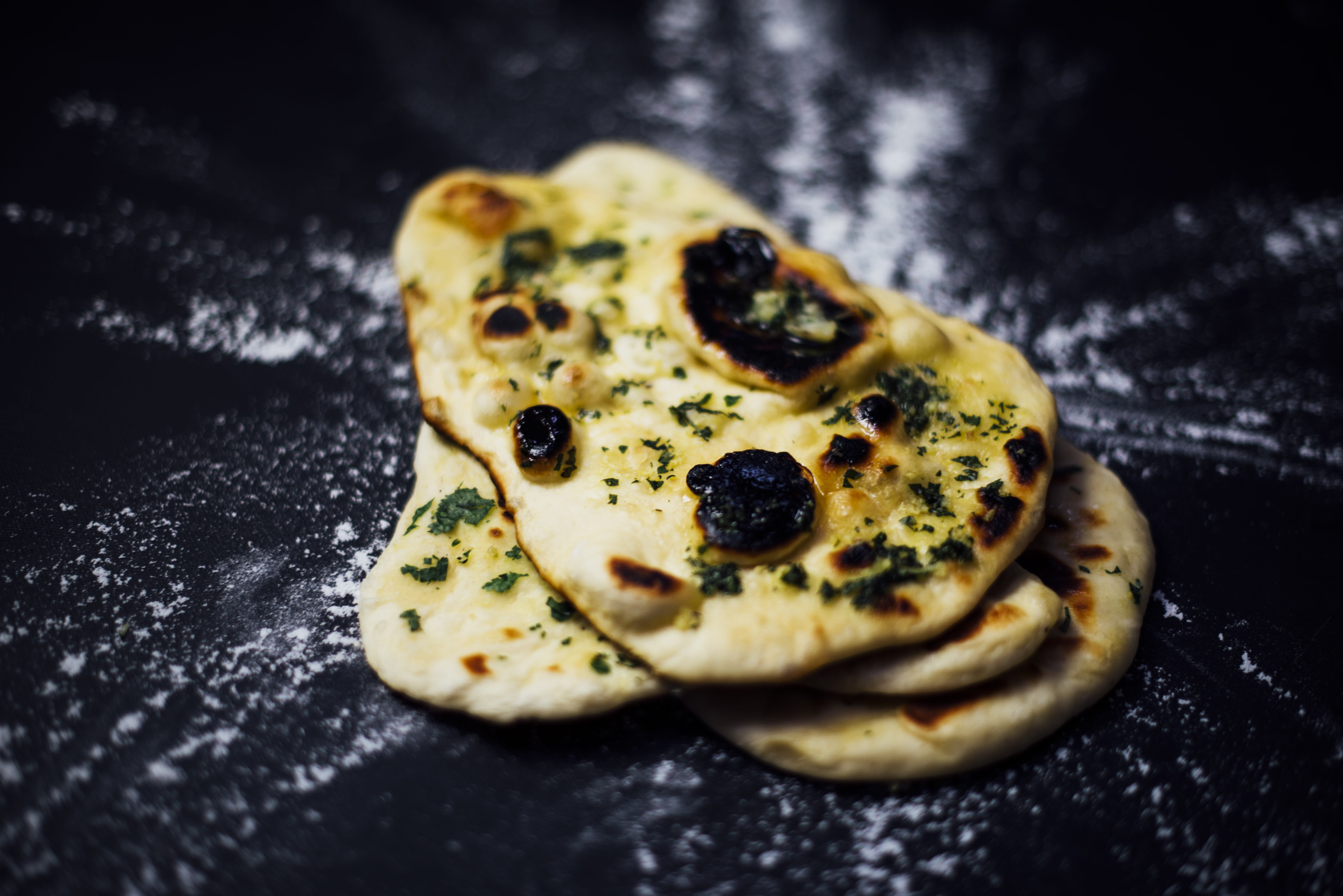
You’ll need naan—preferably blistered and puffy. My go-to naan recipe (from my cookbook, Season) is simple, flexible, and great with or without a tandoor. It’s this week’s free recipe.

👉 Get the Naan Recipe Here


TL;DR

  • Tandoori = a method, not just a marinade.

  • Yogurt + spice = flavor science in action.

  • It’s great for meat, fish, paneer, and all your favorite veggies.

  • You don’t need a clay oven to start experimenting; your oven and skillet are fantastic.

Tandoori cooking isn’t just about tradition—it’s about transformation. Take something simple, hit it with fire, and watch the magic happen.

Let me know what you’d tandoori-fy first.

—Nik

P.S.

Next week, we’ll take the naan and make something fun, perfect for a breakfast treat.

The Smart Cook’s Guide to Freezing Food (Without Ruining It)

22 June 2025 at 11:01

Welcome to The Flavor Files! 🎉This is where my love for cooking, flavor, and food science all come together—because delicious food is even better when you understand a little of the magic behind it.

Looking for more recipes? You’ll find them all at Nik Sharma Cooks. Still need a copy of my latest cookbook, Veg-Table? You can grab it here—it’s filled with veggie-driven inspiration. 🌱✨

You might spot a few affiliate links sprinkled throughout this newsletter; they help keep the spice—and the science—flowing.

Now, let’s dive in. 🔥

The Flavor Files is a reader-supported publication. To receive new posts and support my work, consider becoming a free or paid subscriber.

Share The Flavor Files


A Freezer Full of Intentions

When I shop, whether for work or just the thrill of beautiful ingredients, I almost always buy more than I need. Some of it is instinct, some is habit, and some is the quiet knowledge that I’ll want those things later, when I’m too tired to face the grocery store or when a recipe needs one last test. So I freeze what I can. Vegetables blanched, meats portioned, sauces tucked away like love notes to my future self.

Freezing has become more than just a practical move, my version of self-care that’s both frugal and freeing. Especially now, when food costs feel like they climb higher each week, it’s a way to stretch what I have and waste less. A safety net. A second chance. A reminder that flavor doesn’t always need to be fresh-picked, it just needs to be well-kept. This week, I share my brief guide to how I freeze food at home.

🧊 The Smart Cook’s Guide to Freezing Proteins and Veggies (The Right Way)

Freezing is like hitting pause on food spoilage, but only if done right. Here’s how to stash proteins and veggies in your freezer like a pro, with tips grounded in USDA food safety guidelines.


For Proteins: Freeze Fast, Pack Smart

1. Start With Clean Hands & Fresh Meat

Always freeze meat, poultry, or seafood before the “use by” date. The USDA says that freezing does not kill bacteria; it only pauses their growth. So, don’t freeze meat that's already questionable, and once thawed, don’t refreeze it; use it soon.

Do not freeze whole eggs; the shells can crack. If, for some reason, a whole egg is frozen in the shell (and if the shell didn't crack), you can hard-cook the egg, but you will not be able to use the yolks. Freezing changes the texture of the yolk, making it very thick and syrupy, and it won’t behave like a fresh egg yolk in recipes (freezing encourages the egg yolk proteins to aggregate, and the lipids are released). 

USDA Tip: Freeze raw meats within 1 to 2 days (ground meat, poultry) or 3 to 5 days (steaks, chops, roasts) of buying.

2. Ditch the Grocery Packaging

Store packaging is thin and prone to freezer burn. Wrap tightly in plastic wrap or foil, then slide into a freezer bag or vacuum-seal for best protection.

Hack: Label with date and weight. Add marinade or spice rub before sealing to make meal prep easier later.

3. Freeze Flat

Lay bags of meat or fish flat to freeze quickly and stack efficiently. I do this by keeping them on a flat tray or baking sheet and taking out the tray after the food is frozen. 

Quick freezing results in smaller ice crystals, which leads to a better texture when thawed.


For Vegetables: Blanch Before You Freeze

1. Clean and Cut Evenly

Wash thoroughly, then chop the pieces into uniform sizes. Uneven sizes = uneven cooking later.

2. Blanch First, Freeze Later

Blanching (brief boiling or steaming, then plunging into ice water) deactivates enzymes that cause off-flavors, color loss, and mushiness in frozen veggies. 

Examples

Broccoli florets: 3 minutes

Carrots: Blanch 2 to 3 minutes

Corn kernels: 4 minutes

Green beans: 3 minute

Skip blanching only for onions, bell peppers, and herbs; they freeze well raw.

3. Dry Thoroughly

You can use a clean dish towel or a salad spinner. Excess moisture = ice crystals = soggy veggies.

4. Freeze on a Sheet Pan First

I’ve found that vacuum bag stores produce the best.

Spread the veggies in a single layer on a tray, freeze until firm, and then transfer them to bags. This prevents clumping, so you can grab a handful when needed.


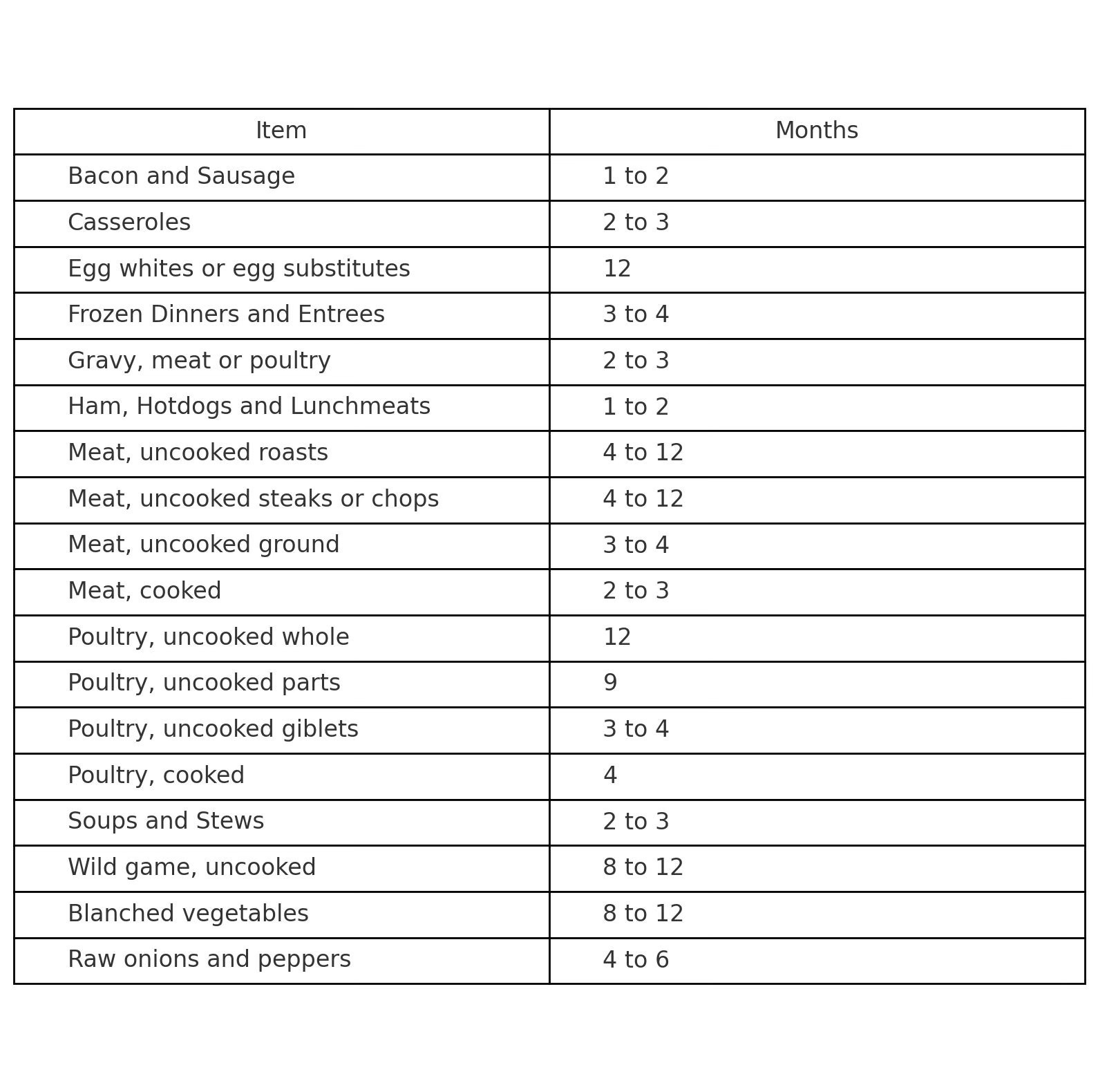
🕐 Safe Storage Time (as per USDA):

Get more information on Individual Types of Veggie Storage here at Colorado State University.


🧼 Thawing 101: Safety First

  • Best: Thaw in the fridge (slow but safe).

  • Faster: Submerge the sealed bag in cold water and change it every 30 minutes.

  • Avoid: Countertop thawing, as it risks the "danger zone" (40°F to 140°F/4°C to 60°C), where bacteria multiply.

  • If you decide to microwave thawed food, please cook it immediately, as some parts of the food can warm up in the microwave.


✅ Final Tips:

  • Keep your freezer at 0°F [-18°C] or lower.

  • Don’t refreeze raw proteins after thawing (unless cooked first).

  • If it smells bad, you can just throw it. Some foods develop funky odors during storage because fats can go rancid.

  • FIFO = First In, First Out. Use older items first.


Peanut Salsa Macha & Roasted Japanese Sweet Potatoes with Peanut Salsa Macha and Labneh

What is Salsa Macha

A few weeks ago, I had dinner at Holbox, a small seafood restaurant tucked into the heart of DTLA. The kind of place where the scent of charred chiles and sea brine lingers in the air, and every plate feels like a revelation. One dish, in particular, stayed with me: a delicate tortilla cradling sweet crab meat, blanketed in a deep, rust-colored peanut salsa macha. It was rich and smoky, with just the right amount of heat, luxurious without trying to be.

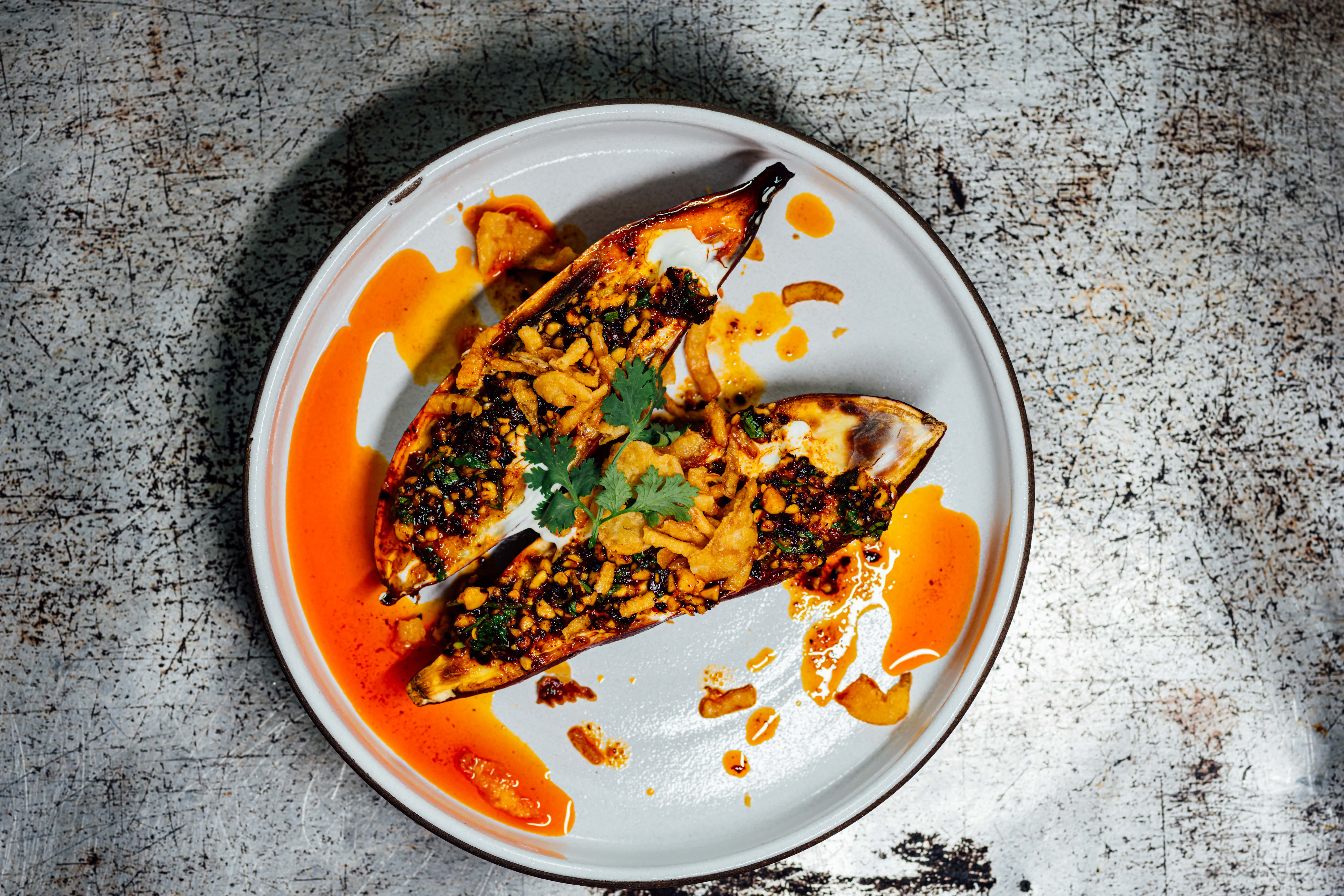
I left thinking about that salsa. The way it clung to the crab, the warmth it left on my tongue. That night, I came home and headed straight to the kitchen, determined to recreate it, not the whole dish, just the essence. Something simple, quick, and unforgettable. Roasted Japanese sweet potatoes meet their match: a cool, creamy scoop of salted labneh, draped in smoky peanut salsa macha. Crispy fried onions add crunch, fresh cilantro brings lift, and every bite lands exactly where it should.

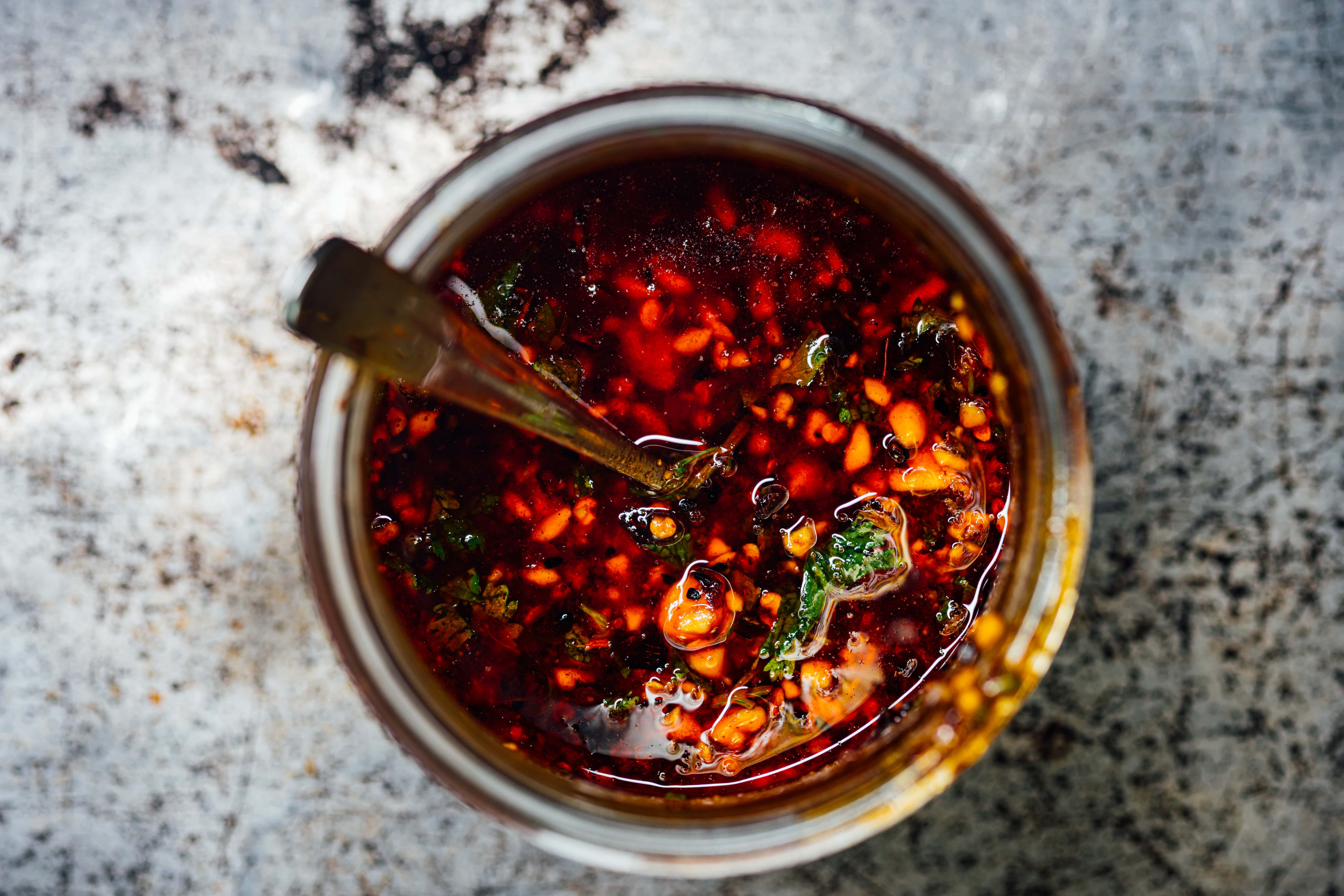
Salsa macha is an intensely flavorful, nutty, and spicy Mexican chili oil, more of a condiment than a sauce, originally from the state of Veracruz. However, it’s strongly associated with the cuisine of Oaxaca and parts of Jalisco. It reminds me of Asian chilli crisps, but smoky, earthy, and sometimes with a whisper of sweetness.

Read more

The Day Asparagus Made Me Google ‘Sudden Onset Deadly Body Odor'

15 June 2025 at 11:00

Welcome to The Flavor Files—Summer Edition. ☀️
Here’s where my love of cooking, food science, and peak-season produce all come together. From juicy tomatoes to smoky grilled peaches, summer ingredients deserve a little chemistry and a lot of flavor.

Want more recipes? You’ll find them all at Nik Sharma Cooks.
Still need a copy of Veg-Table? Grab it here—it’s full of ideas to make vegetables the star of your summer table. 🌿🍆

This newsletter includes the occasional affiliate link—they help keep the spice (and the science) flowing.

Now let’s dive into the good stuff—because summer won’t wait. 🔥

The Flavor Files is a reader-supported publication. To receive new posts and support my work, consider becoming a free or paid subscriber.

Share The Flavor Files


The first time I ate asparagus was awkward and mildly terrifying. It’s not a common vegetable in India, so I’d never seen it until it showed up as a roasted side dish at a restaurant in Cincinnati. I loved its crisp-tender texture and the nutty, slightly grassy flavor. So I went all in. Possibly too in.

About an hour later, I took a trip to the restroom, and that’s when the existential dread kicked in. A strange, sharp odor hit me—something sulfurous and… frankly alarming. I was convinced my kidneys were failing or that I had minutes left on this planet. Too embarrassed to ask anyone, I waited until I was alone, then launched into a frantic Medline search for “sudden onset deadly body odor.”

That rabbit hole led me straight to asparagusic acid, a sulfur-containing compound unique to asparagus. When digested, it breaks down into volatile molecules that get excreted in urine, giving rise to that notorious smell. But here’s the twist: not everyone notices it. Some people don’t produce the smelly compounds at all, while others do but lack the specific receptors to detect them.

In other words, if you’ve never noticed a weird asparagus smell in the bathroom… congratulations, you’re either a non-producer or your nose is genetically blessed.

Subscribe now

Share

Why We Still Don’t Fully Understand the Asparagus Pee Phenomenon

Asparagus is famously rich in sulfur-containing compounds, especially asparagusic acid, which breaks down in the human body into volatile, often pungent-smelling molecules. But here’s the twist: despite decades of study, we still don’t fully know which exact chemicals are responsible for the odor, or why only some people seem to detect it.

That surprised me.

In grad school, one of the core lessons we learned when testing hypotheses was this: it’s not enough to observe an interesting effect — you have to prove it, challenge it, recreate it. So in this case, let’s say you detect sulfurous compounds like methanethiol or dimethyl sulfide in urine post-asparagus. Interesting, yes. 

But here’s the scientific standard: If you remove those molecules and add them back in, do people still smell the same odor?

And if they do, is that smell identical to what happens after eating asparagus?

The answer so far is: not exactly.

Multiple studies have identified likely candidates for the smell, including various volatile sulfur compounds; however, no one has been able to reproduce the full “asparagus bouquet” from scratch. In short, we’ve found some of the suspects, but haven’t reassembled the crime scene. These molecules may be present, but we haven’t definitively shown they’re both necessary and sufficient to account for the whole odor.

What we do know, thanks to large-scale genetic studies (like the one by 23andMe), is that most people produce the smell, but not everyone can detect it. Smelling it — or not — is primarily a function of olfactory receptor gene variants. Your body might be excreting the funk, but your nose might not be wired to notice.

But here’s where I need to raise a red flag:
Those studies were conducted almost entirely on individuals of Northern European ancestry. Which means the findings, while fascinating, are not universally applicable.

In India, where I grew up, asparagus isn’t a staple. The data on whether South Asians, people from Africa, Southeast Asia, or the Middle East, can detect odors is essentially nonexistent. The genetic variants associated with “asparagus anosmia” may be absent or behave differently in those populations. Scientists need to study larger populations and conduct more controlled studies. 

So yes, asparagus pee is a funny cultural reference. Still, it’s also a case study in how scientific conclusions get shaped by who we study, what we measure, and what assumptions we make about universality.

In short, the asparagus mystery isn’t fully solved. The chemistry is still inconclusive. And the genetics? Likely more diverse than we’ve measured so far.

The Asparagus Guide

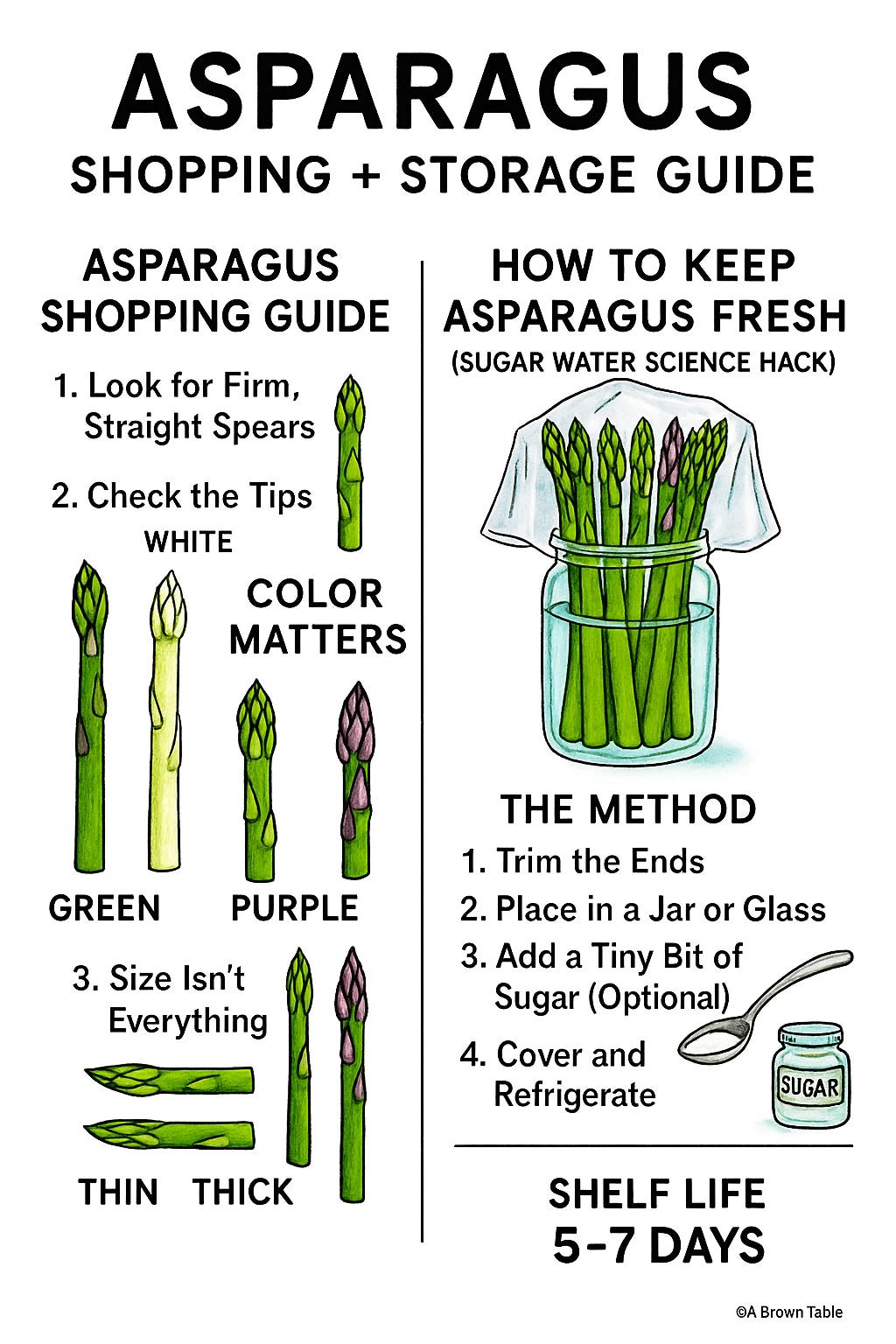
Asparagus Shopping Guide

  1. Look for Firm, Straight Spears: Stalks should feel crisp, not bendy or limp. Avoid wrinkled or shriveled ends.

  2. Check the Tips: The tips (aka the buds) should be tightly closed and compact, not mushy, flowering, or frayed.

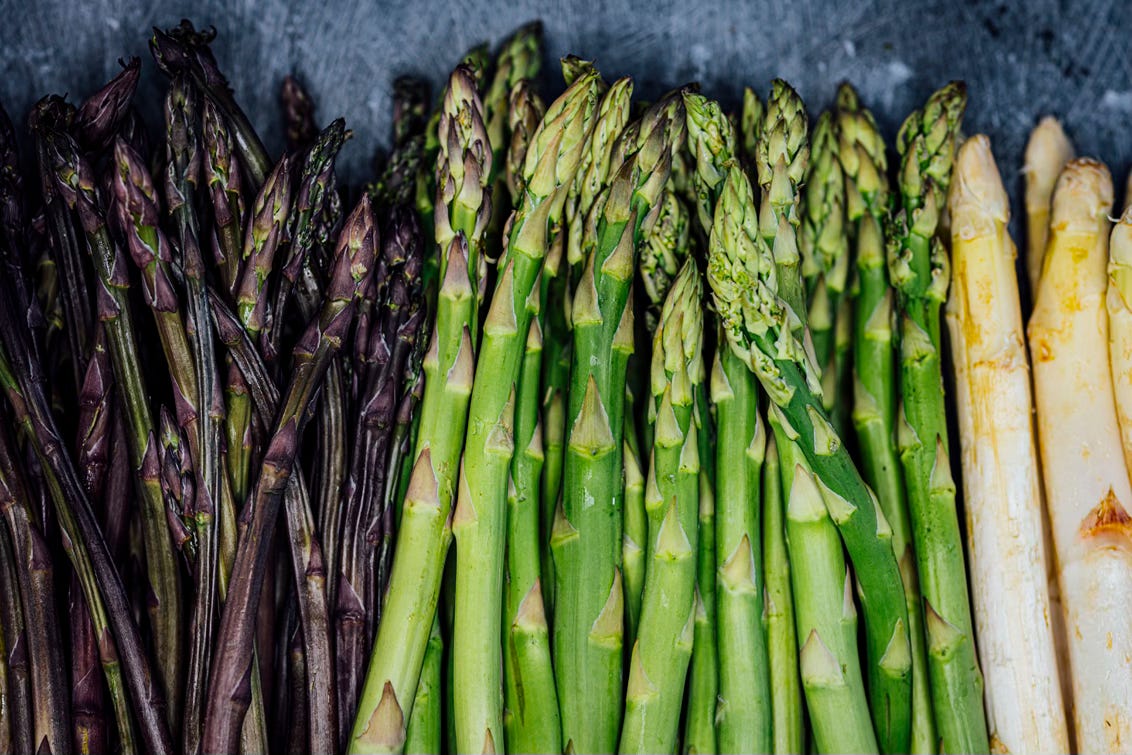
  3. Color Matters: Green asparagus should have vibrant, bright-green stalks with a slight purple tinge at the tips. White asparagus should be ivory, not gray or dried out. Purple asparagus should be evenly colored without fading or brown spots.

  4. Size Isn’t Everything: Thin spears cook faster and are great for quick sautés or roasting. Thicker spears have a meatier bite and are better for grilling or blanching. Both are equally tender when fresh; adjust your cooking time accordingly.

How to Keep Asparagus Fresh (Sugar Water Science Hack)

Asparagus is essentially a flower stalk, and like cut flowers, it stays fresher when stored upright in water. Here’s how to extend its life:

The Method:

  1. Trim the Ends: Cut about ½ inch [13 mm] off the bottom of the stalks.

  2. Place in a Jar or Glass: Stand the spears upright in a glass or jar with about 1 in [2.5 cm] of cold water.

  3. Add a Tiny Bit of Sugar (Optional): Stir in ½ teaspoon sugar per cup of water. Why? Sugar feeds the stalks and keeps them metabolically active a bit longer; it’s plant life support.

  4. Cover and Refrigerate: Loosely cover the tops with a produce bag or plastic wrap. Change the water every couple of days.

  5. Shelf Life: This method can keep asparagus crisp and flavorful for 5 to 7 days, sometimes longer, especially if they were super fresh at purchase.

Subscribe now

Share

Asparagus Recipes to Cook

Grilled Lamb Chops with Asparagus and Green Beans

Asparagus Gribiche Pizza (Paid Subscribers)

Charred Asparagus with “Gunpowder” Nut Masala (The Flavor Equation Cookbook)

The Veg-Table cookbook has a whole chapter of recipes on Asparagus! 

Subscribe now

Share

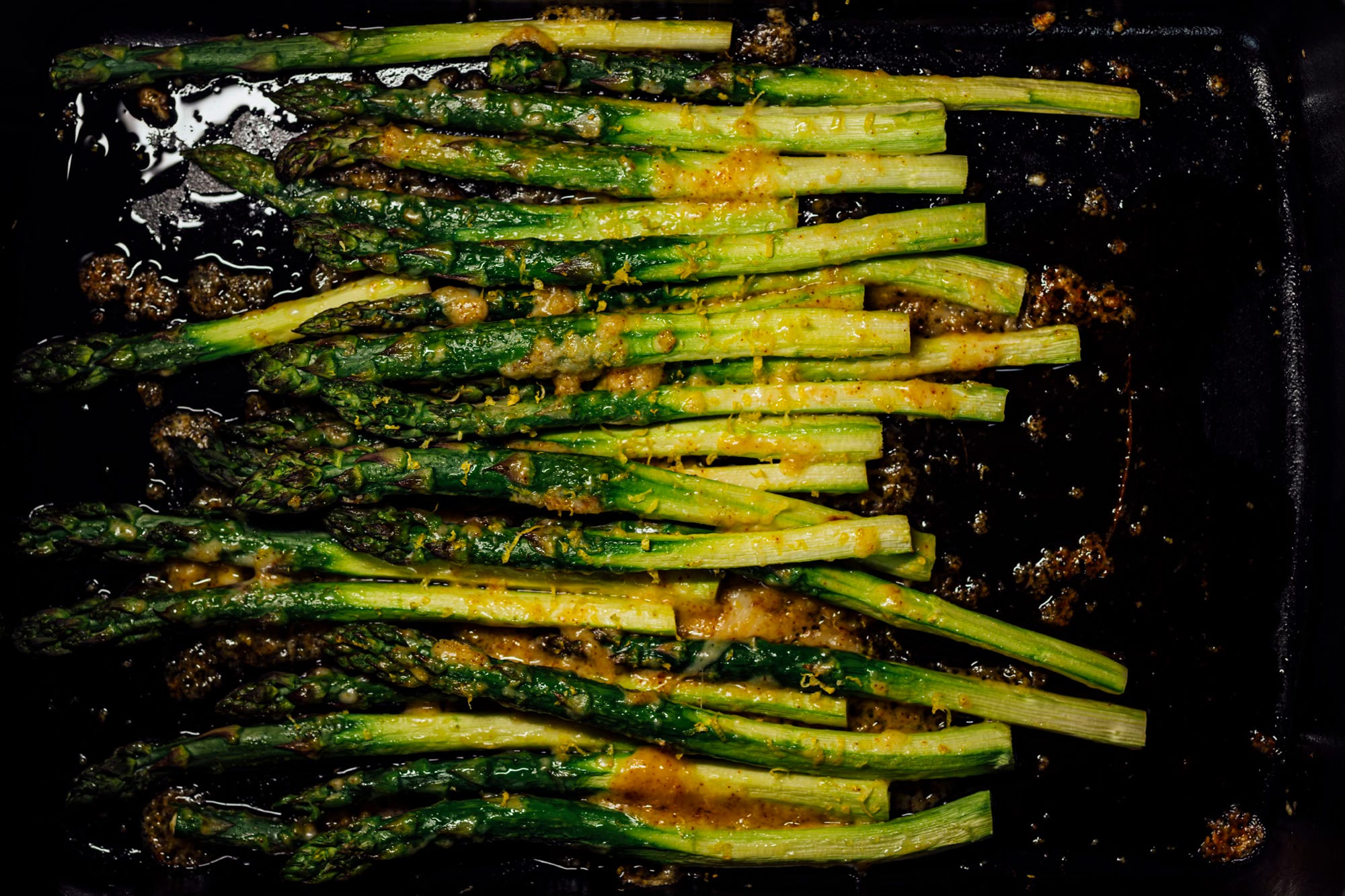
Lemon, Garlic, Parmesan Asparagus 

A bright, bold riff on the classic lemon-asparagus combo. I layer the lemon zest, half before cooking, half after, to coax out both warmth and fresh citrusy zing. Garlic and a hint of cayenne enhance the savory notes, accentuating the umami-rich saltiness of Parmesan. It’s fast, flexible, and just elegant enough to land on any weeknight or dinner party table. Peel those thick woody stems, it will ensure a more tender asparagus.

Read more

What Should I Cook (and Write) For You Next?

10 June 2025 at 11:02

Welcome to The Flavor Files! 🎉This is where my love for cooking, flavor, and food science all come together—because delicious food is even better when you understand a little of the magic behind it.

Looking for more recipes? You’ll find them all at Nik Sharma Cooks. Still need a copy of my latest cookbook, Veg-Table? You can grab it here—it’s filled with veggie-driven inspiration. 🌱✨

You might spot a few affiliate links sprinkled throughout this newsletter; they help keep the spice—and the science—flowing.

Now, let’s dive in. 🔥

The Flavor Files is a reader-supported publication. To receive new posts and support my work, consider becoming a free or paid subscriber.

The Flavor Files is a reader-supported publication. To receive new posts and support my work, consider becoming a free or paid subscriber.

Share The Flavor Files


Hello Friends!

Help Me Shape What’s Next (and Win a Signed Book!)

I’m deep in the kitchen (and at my desk), cooking, writing, and working on a few exciting, not-yet-revealed projects—including a brand-new book.

But here’s the thing: I want to make sure what I’m creating is precisely what you want more of.

Do you want more weeknight-friendly recipes? More deep-dive food science? Behind-the-scenes glimpses of the creative process? Something else entirely?

Take a minute to fill out this quick survey and let me know what you’re craving.

As a thank you, I’ll randomly select one respondent to receive a signed copy of Veg-Table.

Your input truly shapes what I create, so thank you in advance for being part of this.

Please help us make The Flavor Files better by filling out a quick reader survey.

Start Survey


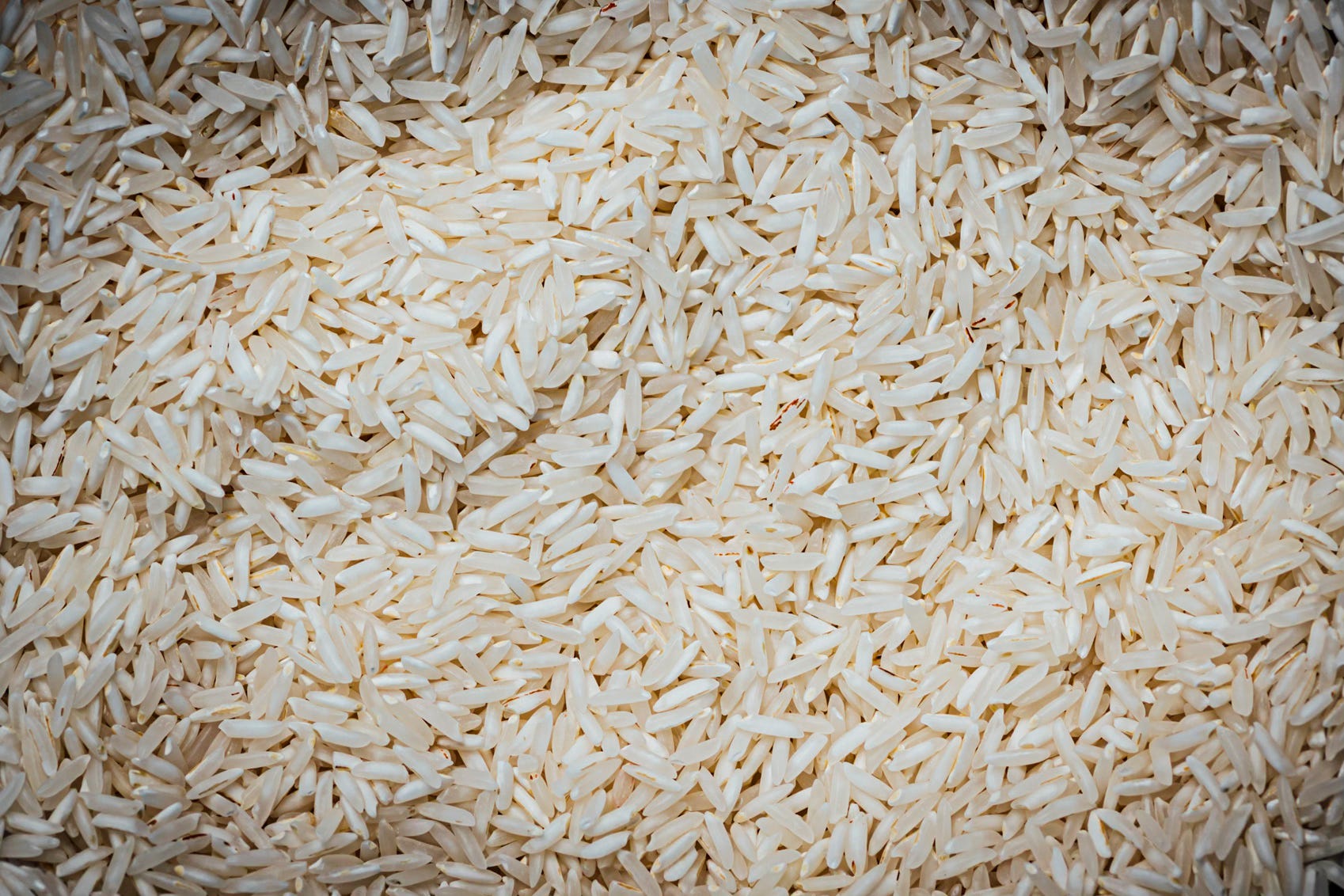
How to Cook Basmati Rice

Do you know how to make Basmati rice the right way? Well, I have the secret for you! I'll tell you why Basmati is different and why that matters for preparation. Serve the perfect rice every time.

All You Need to Know About Basmati Rice and How to Cook It Right

(I'm in a generous mood and wanted to share content I typically provide only to paid subscribers. If you are interested in more in-depth content like this, click on Subscribe Now to upgrade.)

Subscribe now


Weeknight Dinner:

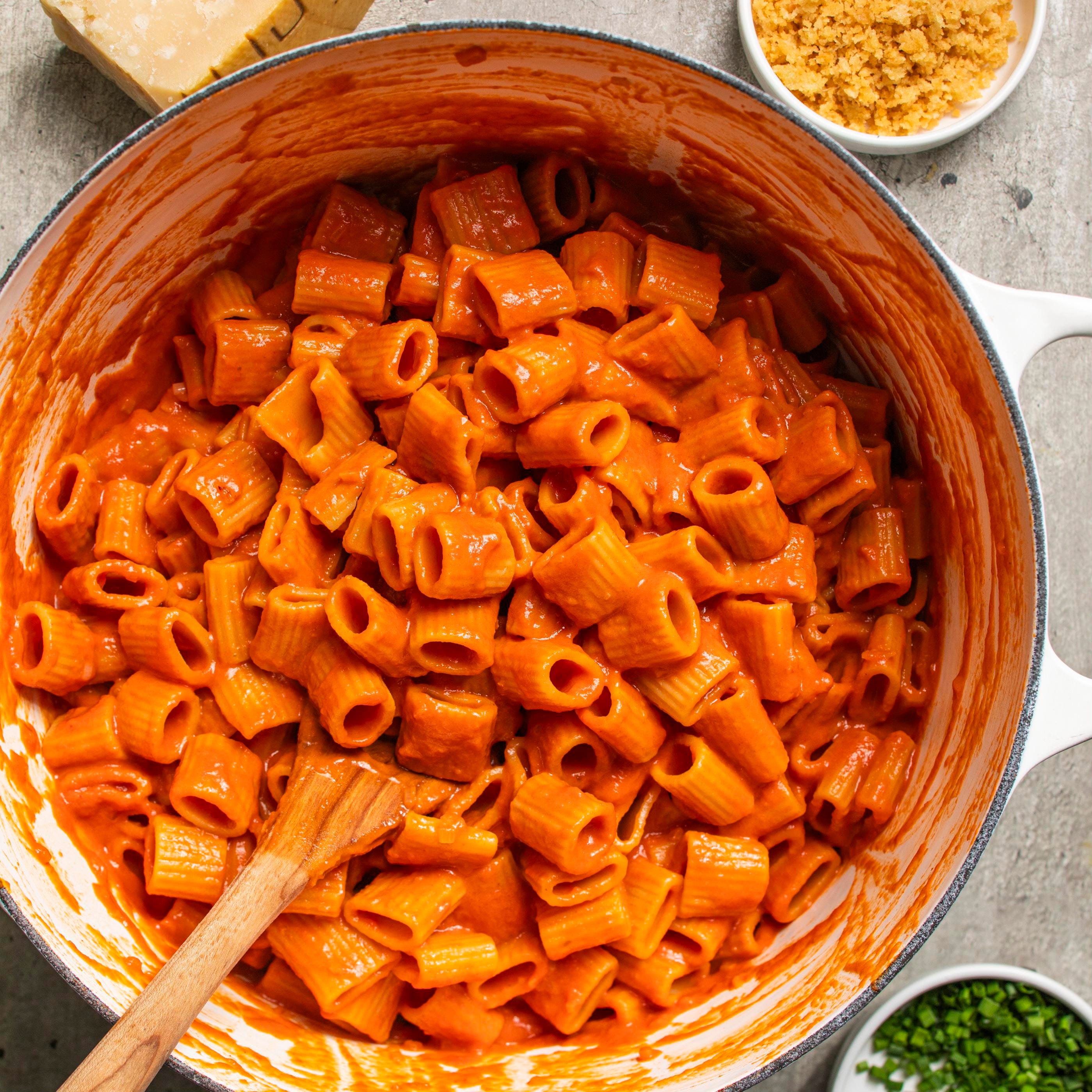
Mezzi Rigatoni with Spicy Gochujang Tomato Sauce

In this quick weeknight meal, Italian passata and Korean gochujang combine to create a smooth, bold sauce reminiscent of silky Italian vodka sauce, but with a deeper layer of umami and a pleasant hint of heat. Passata, an uncooked, strained puree of ripe tomatoes with the skins and seeds removed, is smooth and bright. Gochujang, a deeply savory, fermented chili paste made from glutinous rice, soybeans, and gochugaru (Korean chili powder), brings gentle heat and a touch of sweetness. Together, they formed a rich, harmonious sauce that clung beautifully to pasta and delivered depth well beyond the effort it took to make. A sprinkle of garlicky bread crumbs over the pasta before serving added a pleasant crunch and another layer of flavor.

Get The Recipe

This recipe resides on ATK and is free. I love seeing you share your excitement! ATK makes several recipes from the residency available for free. You might need to enter your email so they can send you more great content, but you can always opt out anytime. I’ve been a longtime subscriber to their newsletters and have found them super valuable. I hope that helps clarify how to access these co-created recipes—we put a lot of love into them, and I’d love for you to check them out! I appreciate your support!

Subscribe now

Share

The June 2025 Digest

1 June 2025 at 11:02

Welcome to The Flavor Files! 🎉This is where my love for cooking, flavor, and food science all come together—because delicious food is even better when you understand a little of the magic behind it.

Looking for more recipes? You’ll find them all at Nik Sharma Cooks. Still need a copy of my latest cookbook, Veg-Table? You can grab it here—it’s filled with veggie-driven inspiration. 🌱✨

You might spot a few affiliate links sprinkled throughout this newsletter; they help keep the spice—and the science—flowing.

Now, let’s dive in. 🔥

The Flavor Files is a reader-supported publication. To receive new posts and support my work, consider becoming a free or paid subscriber.

Share The Flavor Files


Hello!

Summer has arrived, and June is in full swing. It’s hot enough that I think about cold coffee, ice cream, and sorbets, morning to night. Pretty much anything that’s filled with a heaping of ice.

  • I got myself a new fine mesh strainer that is STRONG and filters stuff out well - I tested the Rösele fine mesh strainer with blended coconut, and it did a fantastic job of straining the solids out to give me a smooth, clear milk (I got the 7.5-inch strainer).

  • I grew tired of sticking wet towels between the counter and my cutting boards to prevent the boards from slipping, so I finally got a slip mat for my large cutting board. It’s made prep work a breeze.

  • I LOVE this small kitchen remodel. It is tasteful, refreshing, and thoughtful, and the rest of the home is equally cozy and beautiful.

Subscribe now

Share

  • I finally scored a reservation at Panda Inn in Pasadena, yes, the birthplace of Panda Express. Ever since their remodel and grand reopening, getting a table has felt almost impossible. So when a friend invited me to join them for lunch, I jumped at the chance. The place was buzzing with energy, and the food? It was well worth the wait. I couldn’t get enough of the Phoenix Chicken and the Honey Walnut Shrimp, both perfectly executed and deeply nostalgic in flavor.

  • And while I’m on the topic of local gems, I have to shout out 61 Hundred Bakery in Santa Ana. I first tasted their stunning blue corn masa sourdough at Somni a few weeks ago. When Chef Aitor Zabala mentioned he sources it from this bakery, I immediately added it to my must-visit list. I finally made the trip and was blown away. The croissants? Flaky, layered, and intensely flavorful. Every item I tried showed a level of craft and precision that speaks to true mastery. The bakers and staff are extremely friendly.

Subscribe now

Share


Roopa Gulati’s Indian Kitchens

I was absolutely delighted to read Roopa Gulati’s new cookbook, Indian Kitchens: Treasured Family Recipes from Across the Land (Bloomsbury, 2025; Amazon / Bookshop). It reads like a deeply soulful love letter to the kitchens of India, kitchens that tell stories, hold memories, and reflect the incredible diversity of communities across the country.

Subscribe now

Share

One line in Roopa’s book stopped me in my tracks:

India isn’t a closed book — it absorbs influences from global kitchens and has done so for centuries.

As someone who grew up in Bombay (Mumbai), this resonated strongly with me. French, Portuguese, British, Middle Eastern, Central and North Asian, these influences (and many more) have all woven themselves into the rich, evolving tapestry of Indian cuisine. And yet, so many myths still persist:

→ that all Indian food is “curry”

→ that garam masala is some kind of universal magic key

→ that naan is our everyday bread (it’s not — it’s a restaurant treat!)

→ that Indian food is always fiery hot

Roopa’s book gently and beautifully dismantles these clichés by showcasing the stunning range of dishes and traditions from kitchens all over India; dishes rooted in place, memory, and family. It’s a journey told through food, and one I know you’ll savor as much as I did.

Subscribe now

Share

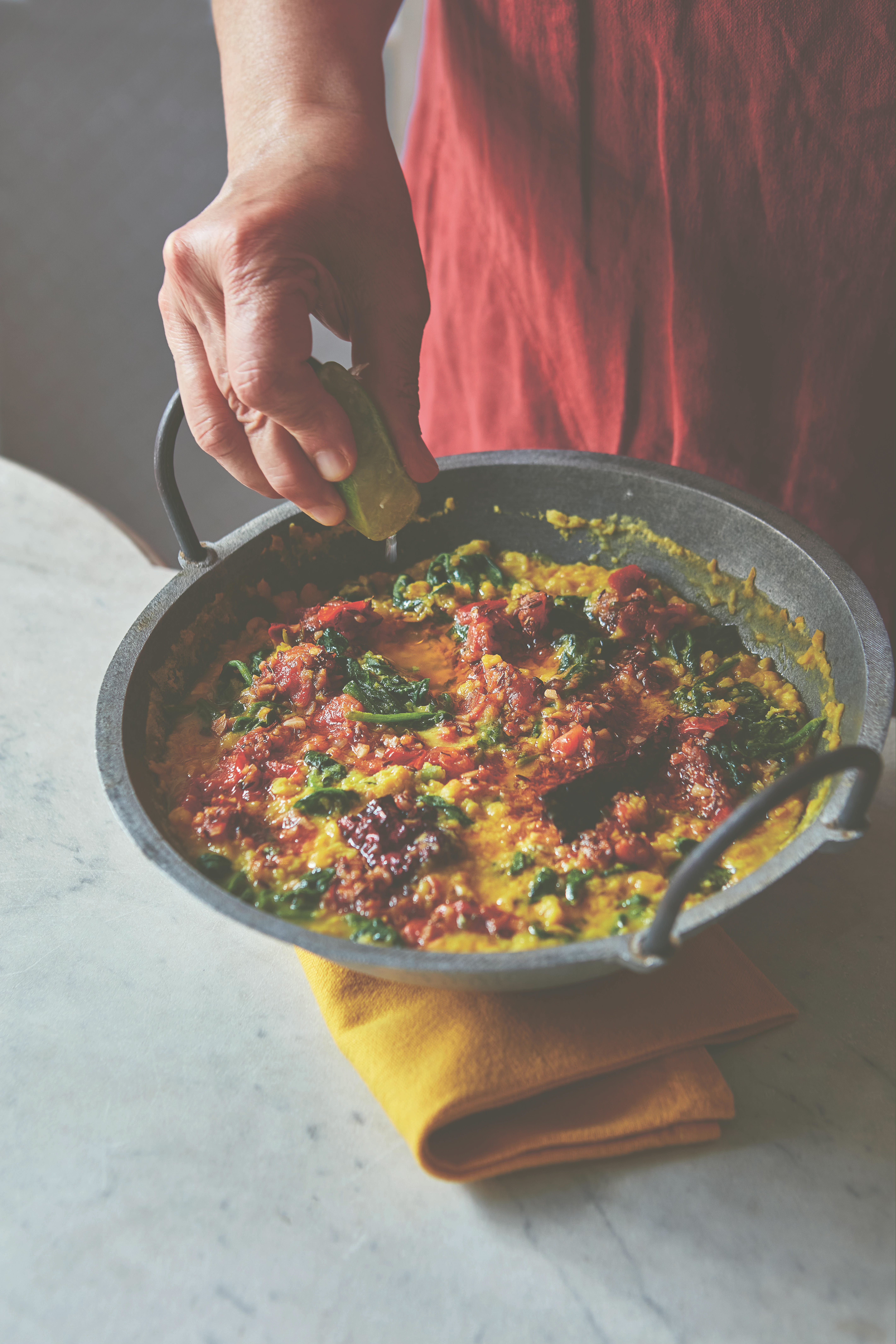
This week, I’m sharing one of my favorites from the book: Chana Dal with Spinach, a comforting and nourishing dish layered with subtle flavor.

Chana Dal with Spinach

It’s usual to use chana dal for this dish, but you could also make it with split yellow peas. Both have a robust, almost meaty flavour, which stands up well to leafy green vegetables. Add the softened spinach at the last minute, so that it retains its fresh grassy-green colour. This dal is finished with a fried tarka flourish, made with sizzling spices, garlic, ginger and the sharpness of green chillies.

Serves 4

7 oz [200g] split Bengal gram (chana dal ), washed and soaked in hot water for 2–3 hours

¼ tsp ground turmeric

12 1/4 oz [350g] baby spinach leaves

juice of ½ lime

sea salt

FOR THE TARKA

1 3/4 oz [50g] ghee or 5 tbsp sunflower oil

1 teaspoon cumin seeds

1 dried Kashmiri red chilli

4 garlic cloves, finely chopped

1 oz [30g] ginger root, peeled and finely grated

2 green chillies, deseeded and chopped

1 tomato, diced

Discard the soaking water from the Bengal gram and transfer the dal to a pressure cooker. Cover with water by a depth of 4 cm. Add the turmeric and cook under pressure for 30 minutes, until the gram is soft and has broken down. Roughly crush the dal with a potato masher against the side of the pan.

Aim for the consistency of thick soup. If it looks a bit watery, boil the dal for a few more minutes without any pressure. Alternatively, put the Bengal gram and turmeric in a medium pan and cover with water to a depth of 4cm. Half-cover the pan and cook the dal on a medium heat for about 1½–2 hours, until completely tender, adding extra water if needed to prevent it from becoming too thick. Roughly crush the dal in the same way with a potato masher. Keep the dal warm.

Heat a sturdy, dry pan on a high heat and add the spinach. Cook, stirring all the time, until the leaves start to wilt – this should take 1 minute. (You may need to do this in batches.) Scoop the leaves into a colander set over a bowl and leave to cool. When the spinach is cool enough to handle, squeeze any excess liquid out of the leaves with the palms of your hands, then roughly chop them. Leave to one side.

For the tarka, heat the ghee or oil in a small pan on a medium–high heat and add the cumin seeds and Kashmiri chilli. Swirl everything around for about 20 seconds, until the cumin releases its nutty fragrance and the chilli swells and becomes darker.

Turn down the heat to medium and add the garlic, ginger and green chillies and fry for 1 minute. Stir the diced tomato and cook for another 2 minutes, until softened.Tip this tarka into the hot dal, season generously with salt, then stir in the chopped spinach. Reheat and finish with the lime juice before serving straight away.

(Note: I’ve not changed anything in the original recipe, but I’ve included measurements for American audiences.)

I Filmed with America’s Test Kitchen—Then Got Cookies from a Baking Legend 🍪

25 May 2025 at 11:01

Welcome to The Flavor Files! 🎉This is where my love for cooking, flavor, and food science all come together—because delicious food is even better when you understand a little of the magic behind it.

Looking for more recipes? You’ll find them all at Nik Sharma Cooks. Still need a copy of my latest cookbook, Veg-Table? You can grab it here—it’s filled with veggie-driven inspiration. 🌱✨

You might spot a few affiliate links sprinkled throughout this newsletter; they help keep the spice—and the science—flowing.

Now, let’s dive in. 🔥

The Flavor Files is a reader-supported publication. To receive new posts and support my work, consider becoming a free or paid subscriber.

Share The Flavor Files


This week’s newsletter is a little shorter, but it’s stacked with flavor. I’ve pulled together a curated lineup of recipes perfect for your Memorial Day cookout, whether you’re grilling, chilling, or just enjoying an extra scoop of dessert. I’m taking a moment to unwind this holiday weekend before diving into a very exciting new project (more on that soon). In the meantime, fire up that grill and let’s get cooking

This week, I traded my usual kitchen for the iconic halls of America’s Test Kitchen in Boston, and let me tell you, if you’ve ever wondered what happens when science meets studio lights and a bunch of overachieving spatulas, it’s magic.

Subscribe now

Share

I filmed my segments for the ATK TV show with the incredible Bridget Lancaster and Julia Collin Davison; two hosts, two totally different vibes, and one shared love for food that made me realize how much I enjoy talking about cooking. Watching the crew work behind the scenes was like witnessing a well-seasoned army of culinary ninjas. These people do not mess around. It’s a well-oiled and seasoned machine. Things I learned: How long it takes to grate a teaspoon of lemon zest and grate ginger on camera without crying (because it takes longer than you think).

A post shared by @abrowntable

Between takes, I cooked up some new recipes (stay tuned), had the cooks taste test them out in the test kitchen, attended several other tastings (doughnuts, ramen, chicken bakes, pot pies, and more), and learned a ton. And just when I thought the week couldn’t get any sweeter, in walked the baking queen herself: Rose Levy Beranbaum. That’s right, THE Rose. She brought cookies. Cookies that she baked. For me. I’m still recovering. Rose shared several tips and juicy stories, and we even got to give her a tour of the test kitchen.

Subscribe now

Share


Memorial Day weekend is the unofficial kickoff to summer, and you know what that means: sunshine, smoky grills, and unapologetically good food. I’ve rounded up my absolute favorite recipes to help you build the perfect cookout menu, whether you’re going full BBQ mode or keeping things fresh and simple. Think juicy grilled mains, vibrant veggie sides, and a few sweet (and salty) surprises. These are the dishes I’ll be making, and trust me, your guests will thank you.

Memorial Day Recipes

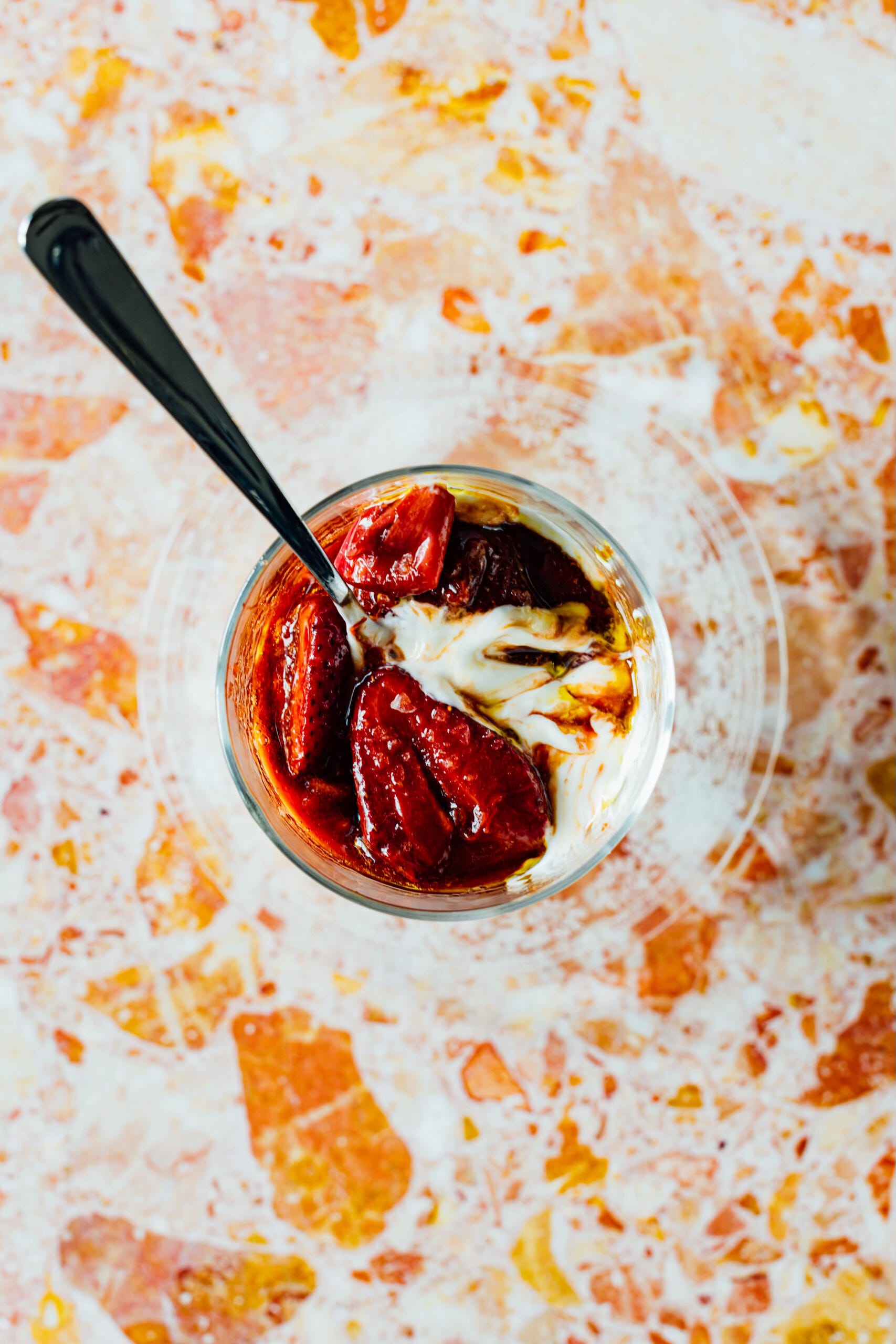
I’ve also included a new recipe - something simple, seasonal, and seriously delicious: roasted strawberries and rhubarb with a balsamic glaze, served over a cloud of thick, creamy Greek yogurt. It’s the kind of dessert (or breakfast—I won’t judge) that looks fancy but takes almost no time. Sweet, tangy, creamy, it’s joy in a bowl.

Here’s wishing you a delicious and restful holiday weekend. I hope you get a chance to kick back, soak up some sun, and savor something good.

Nik

🧪 Why Your Silicone Spatula Stinks (and What to Do About It)

18 May 2025 at 11:01

Welcome to The Flavor Files! 🎉This is where my love for cooking, flavor, and food science all come together—because delicious food is even better when you understand a little of the magic behind it.

Looking for more recipes? You’ll find them all at Nik Sharma Cooks.Still need a copy of my latest cookbook, Veg-Table? You can grab it here—it’s filled with veggie-

driven inspiration. 🌱✨

You might spot a few affiliate links sprinkled throughout this newsletter; they help keep the spice—and the science—flowing.

Now, let’s dive in. 🔥

The Flavor Files is a reader-supported publication. To receive new posts and support my work, consider becoming a free or paid subscriber.

Share The Flavor Files


🔬 Why Does My Silicone Spatula Stink? And How to Actually Fix it

The other day, I reached for my silicone spatula, one I'd recently used to stir together a saucy pasta. The dish was long gone, but its memory lingered… in scent. I took one whiff and immediately regretted not cleaning the spatula more thoroughly. That garlicky, savory smell, which had been so inviting during dinner, was now clinging to the tool. And I was about to make a dessert.

To be clear, it's unlikely that the aroma would've actually transferred into the cake batter, but still, the smell bothered me. It always has. As much as I love silicone tools (they're gentle on my cast iron, flexible, and nearly indestructible), they have one annoying quirk: they hold on to smells.

Subscribe now

Share

So, why does silicone retain odors?

Silicone is often celebrated for being chemically stable and non-reactive; it doesn't leach like plastic can, resists heat, UV, oxygen, and moisture, and it's considered food-safe and non-toxic. It also repels water, which makes it ideal for spatulas, baking mats, molds, and more.

But here's the catch: silicone is permeable to gases and fat-soluble molecules.

Structurally, silicone is a flexible polymer with tiny microscopic pores between its molecular chains. These pores are too small for water to enter quickly, but they allow volatile aromatic compounds, like garlic oil, spices, and caramelized onions, to slip right in.

When silicone is exposed to heat, its pores expand slightly, making it even easier for aroma compounds to embed themselves deeper. Once inside, they're tough to dislodge with soap and a sponge, no matter how often you run it through the dishwasher.

Over the years, I've found that the intensity of absorption doesn't always correlate with the price or brand. Even high-quality, food-grade silicone can hold on to those delicious (but unwanted) smells. It's not about poor hygiene, it's chemistry.

Subscribe now

Share

How to De-Stink Your Silicone Tools (and Keep Them That Way)

For Regular Silicone Tools (Not Oven-Safe)

  1. Wash thoroughly with hot water and degreasing soap.

  2. In a large stockpot, boil a solution of

  3. ‣ ¼ cup baking soda per 4½ cups [1 L] of water

  4. ‣ Add tools and let soak overnight (off heat).

  5. The next day, drain, then add a 1:1 mix of white vinegar and water.

  6. Bring to a gentle boil, then simmer for 15 minutes.

  7. Rinse and air dry.

Why it works:

Baking soda acts as a mild abrasive and deodorizer, loosening trapped residues.

Vinegar (acetic acid) helps break down rancid fats and aromatic compounds.

And heat slightly expands the silicone, making it easier for the cleaning agents to work.

Subscribe now

Share

For Oven-Safe Silicone (Bakeware, Utensils)

  1. Wash and dry the tools.

  2. Place on a baking sheet in a preheated oven at 350°F [180°C].

  3. Bake for 30 minutes to "outgas" the trapped odors.

  4. Let cool completely before using or storing.

Tip: Ventilate your kitchen; those odors are released as vapor.

How to Avoid the Smell in the First Place

  • Use separate tools for sweet and savory cooking when possible. (I forget to do this)

  • Avoid storing silicone near spices or oils, as they can pick up ambient aromas.

  • Choose high-quality, platinum-cured silicone; it's denser and less porous than lower-grade versions.

Silicone tools may not be perfect, but their durability, versatility, and ease of use keep me reaching for them. With the right care, you can keep them clean—and stink-free—for years.

Do you have a kitchen mystery you'd like me to unpack in a future issue? Hit reply and let me know.

Subscribe now

Share


This week’s recipe: A caramel-crusted semolina cake scented with coconut and browned butter.

If a rice pudding and a cake had a golden, coconut-scented love child, it might be this beauty from Myanmar: Shwe Gyi Sanwin Makin; also known as Burmese Semolina Cake or simply Sanwei Makin. It’s soft, fragrant, and lush, denser than a classic Western cake, with a gently grainy texture that comes from coarse semolina (rava) and the deeply satisfying flavor of toasted coconut and jaggery. Today I’m sharing my version of this splendid cake, and I hope you’ll give it a try.

👉 Paid subscribers get the full recipe and tips.

Read more

What to Do With Too Much Ginger (and the Comfort Soup I’m Living On)

11 May 2025 at 15:02

Welcome to The Flavor Files! 🎉This is where my love for cooking, flavor, and food science all come together—because delicious food is even better when you understand a little of the magic behind it.

Looking for more recipes? You’ll find them all at Nik Sharma Cooks.Still need a copy of my latest cookbook, Veg-Table? You can grab it here—it’s filled with veggie-

driven inspiration. 🌱✨

You might spot a few affiliate links sprinkled throughout this newsletter; they help keep the spice—and the science—flowing.

Now, let’s dive in. 🔥

The Flavor Files is a reader-supported publication. To receive new posts and support my work, consider becoming a free or paid subscriber.

Share The Flavor Files


Hi Friends,

If you missed last week’s May recipe digest and this month’s free recipes by me at America’s Test Kitchen - the iconic Chicken 65 from India and the Calabrian Chile White Beans, get them here.

Wishing a warm and heartfelt Mother’s Day to everyone celebrating, whether you're honoring a mother, remembering one, or navigating the day in your own way. May today bring comfort, gratitude, and love in all its beautiful forms.

This week, my friend Rie McClenny invited me to do one of my favorite things: cook, geek out, and eat. Hosted by J. Kenji López-Alt and Balmuda, we cooked in sync around their sleek new electric teppanyaki grill. I whipped up kimchi fried rice because nothing says “test-drive this grill” like fermented cabbage and sizzling rice. I need to get myself one of these grills because they’re fun to cook on, easy to work with, and clean.

You might’ve noticed things are looking a little different around here! I’ve been refreshing the newsletter, tidying things up, adding categories, and making it easier for you to find old favorites and stumble on something new and delicious. The full revamp should be completed by next week, so stay tuned!

Subscribe now

Share


How to Freeze Fresh Ginger (No Peeling Required)

Recently, I accidentally bought a massive bag of fresh ginger; far more than I could use in a week. Rather than let it go bad, I froze it. I rely on this method, especially when I pull ginger straight from the garden during harvest season. Freezing helps preserve its bold flavor, and bonus: frozen ginger grates like a dream. Here’s exactly how I do it.

You’ll Need:

  • Fresh ginger (no need to peel!)

  • A pot of boiling water

  • A large bowl filled with ice water

  • Kitchen towels

  • A baking sheet or plate

  • Freezer-safe bags (vacuum-sealed if possible)

    Subscribe now

Share

Step-by-Step Instructions:

  1. Rinse the ginger well under running water and gently scrub to remove dirt. Don’t peel it, I find the skin helps protect the flesh during freezing.

  2. Prepare a pot of boiling water and a bowl of ice water. Line a baking sheet with clean kitchen towels.

  3. Blanch the ginger by dropping them into the boiling water for 30 seconds; this step helps preserve its flavor and color.

  4. Transfer the ginger to the ice water bath and cool immediately. Let it chill for about 5 minutes to stop the cooking process.

  5. Dry thoroughly. Drain and spread the ginger out on the towel-lined baking sheet. Pat completely dry as moisture leads to freezer burn.

  6. Arrange the ginger pieces on a clean baking sheet or plate, making sure they don’t touch. Freeze for about 1 hour until hardened.

  7. Transfer to a freezer-safe bag, remove as much air as possible, and seal. Store in the freezer for up to 4 months.

Subscribe now

Share

Tips:

  • Slice, grate, or julienne the ginger before freezing, depending on how you plan to use it.

  • Frozen ginger is much easier to grate finely and great for stir-fries, teas, and dressings.

  • You don't need to worry about thawing before use. Just grab what you need and go ahead with your recipe.


This week’s recipe for my paid subscribers is comfort food in the form of this White Chilli with white beans and chicken. There are days when I need comfort to come quickly. Not the kind that simmers all afternoon, but that that arrives with a bit of ease, a little heat, and the steadying warmth of something deeply familiar. This soup is exactly that. Maybe it’s no surprise that it draws on the parallels between Indian and Mexican cooking, two cuisines that speak the same flavor language. Both celebrate fragrant spices and the slow layering of flavor. Both lean on bright acids like lime or tamarind to cut through richness and love to play with the fire of chiles. And yes, both are proudly rooted in the joy and ingenuity of street food. These similarities aren't coincidental. Colonization shaped the culinary landscapes of both countries; the Spanish in Mexico, the British, Dutch, Portuguese, and French in India, leaving behind a complicated legacy of migration, trade, and exchange. Ingredients like chiles, tomatoes, and potatoes crossed oceans and rewrote recipes. But somehow, even across continents, these two cuisines remain in conversation, with each other, and with those of us who cook and crave them.

Read more

❌