
 Login
Login
Olive Oil Panna Cotta

When I go to the U.S., I can only bring back three cookbooks* due to stringent measly luggage allowances. Getting anything delivered can be a challenge here, but nowadays, anything you receive will rack up customs, duties, and taxes. They used to be more lenient with books, but someone has to pay the bill for cleaning up the Seine, I guess, so why not make it cookbook collectors?
During book tours, such as mine in May for The Great Book of Chocolate, I’m usually at cookbook stores and find myself surrounded by cookbooks, and have to resist immersing myself in all of them. But alas, I can only bring a few back with me, and one was More than Sweet by .
I was not only intrigued by the striking photos and bold layout of the book, but appreciated Marie Frank’s creativity, which often blends the lines between sweet and savory.
As I dove deeper into the recipes, some of the ones I wanted to give a go contained at least one ingredient that I didn’t have on hand, and would be challenging to find. The braised cherries that were paired with this recipe called for one makrut leaf. The mango sorbet in the Vacherin called for a teaspoon of locust bean gum or fruit pectin (which is optional). Her gorgeous plum galette called for ground Sichuan pepper, and the hojicha snickerdoodles called for — yup — hojicha. But boy, do they sound good!
Subscribe to my newsletter to get recipes, videos, and more, sent right to your Inbox!
I was also intrigued by the addition of lots of lemon zest in the Miso-Lemon Chocolate Chip Cookies. But she makes a compelling case for the zest, saying it provides the perfect balance “among the savory, salty, and sweet” flavors, so I’ve got those bookmarked as well as the snickerdoodles with roasted green tea.
Marie Frank does begin the book with a treatise called How to Use This Book, which includes a passage: ”I strongly encourage you to change the flavors with the seasons or simply to suit your personal preferences,” which is reassuring to those who want to go off-script.
I decided to make the Olive Oil Panna Cotta because I always have olive oil on hand, and we’re also in the midst of summer fruit season and I had plums on hand, which I thought would pair nicely with the creamy dessert, rather than the cherries.
I’m often asked by readers about which olive oil to buy, which is difficult because a lot of the choices are based on where you live. When I moved to Paris, I lived above an olive oil store and just went downstairs with an empty wine bottle and filled it with one of the owner’s olive oils, which were stored in large tins with spigots.
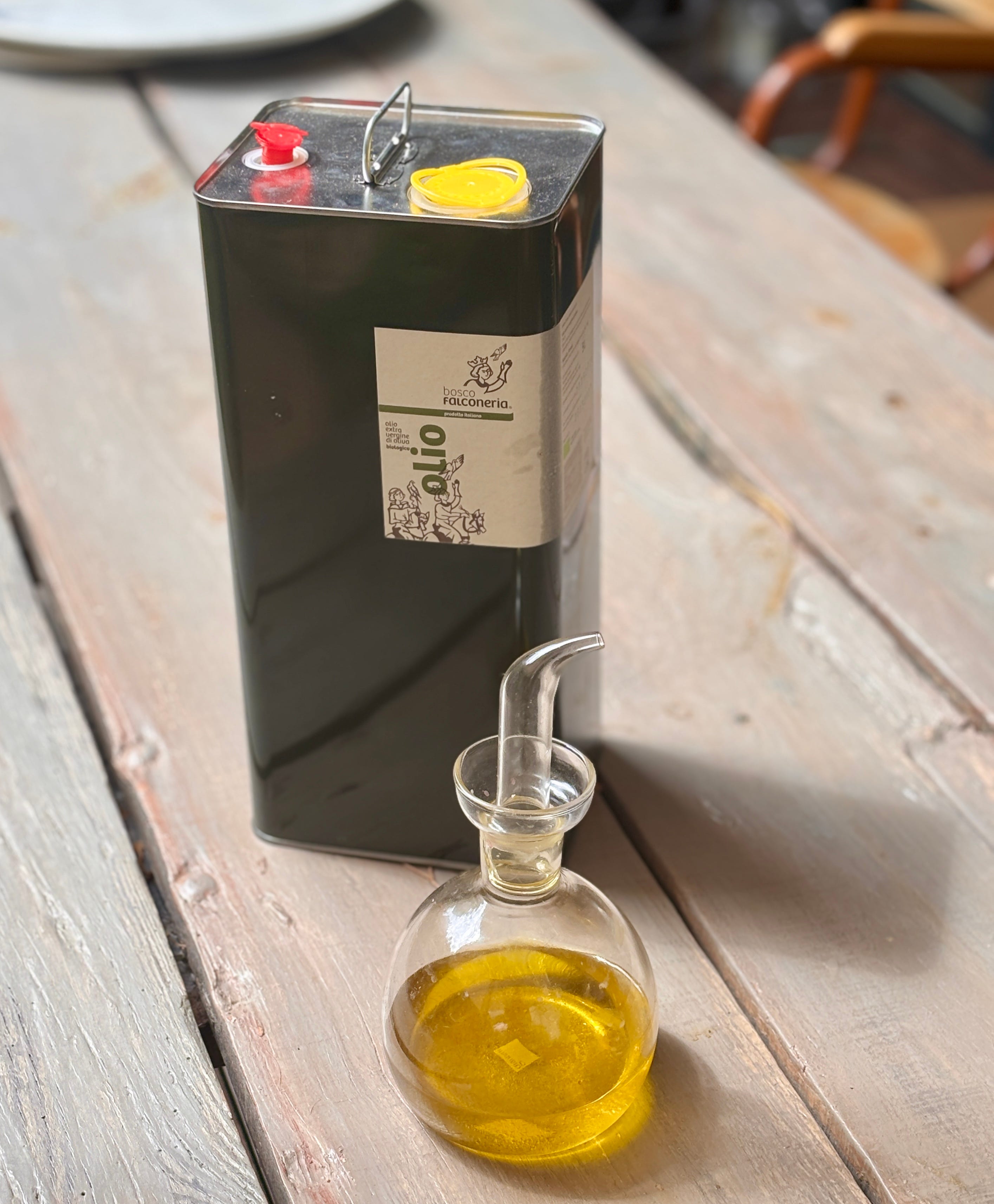
Now I get my olive oil from friends in Sicily, which I buy in 5-liter (5qt) tins, and they only ship within Europe. Understandably, they like you to buy a certain quantity to make the shipping worthwhile. I used to get a whole bunch of friends together to make a large enough order for them to ship. But I often forgot who ordered what, or who’d paid and who didn’t. So I’m sure my poor accounting skills have given someone a complimentary tin of olive oil, at my expense.
[One good olive oil I tasted recently was Arkè extra-virgin, which they sell in consumer-friendly bottles and 2-liter tins. Good mail-order sources for olive oil in the U.S. are Market Hall Foods, Zingerman’s, and Corti Brothers.]

I also wondered about the recipe instructions, which said to pour water into the molds and then shake out any excess before filling them to prevent the panna cottas from sticking. I never tried that so thought I’d do an experiment, lightly oiling half of the ramekins, as I normally do, and using water on the other three, to see if there was a difference.
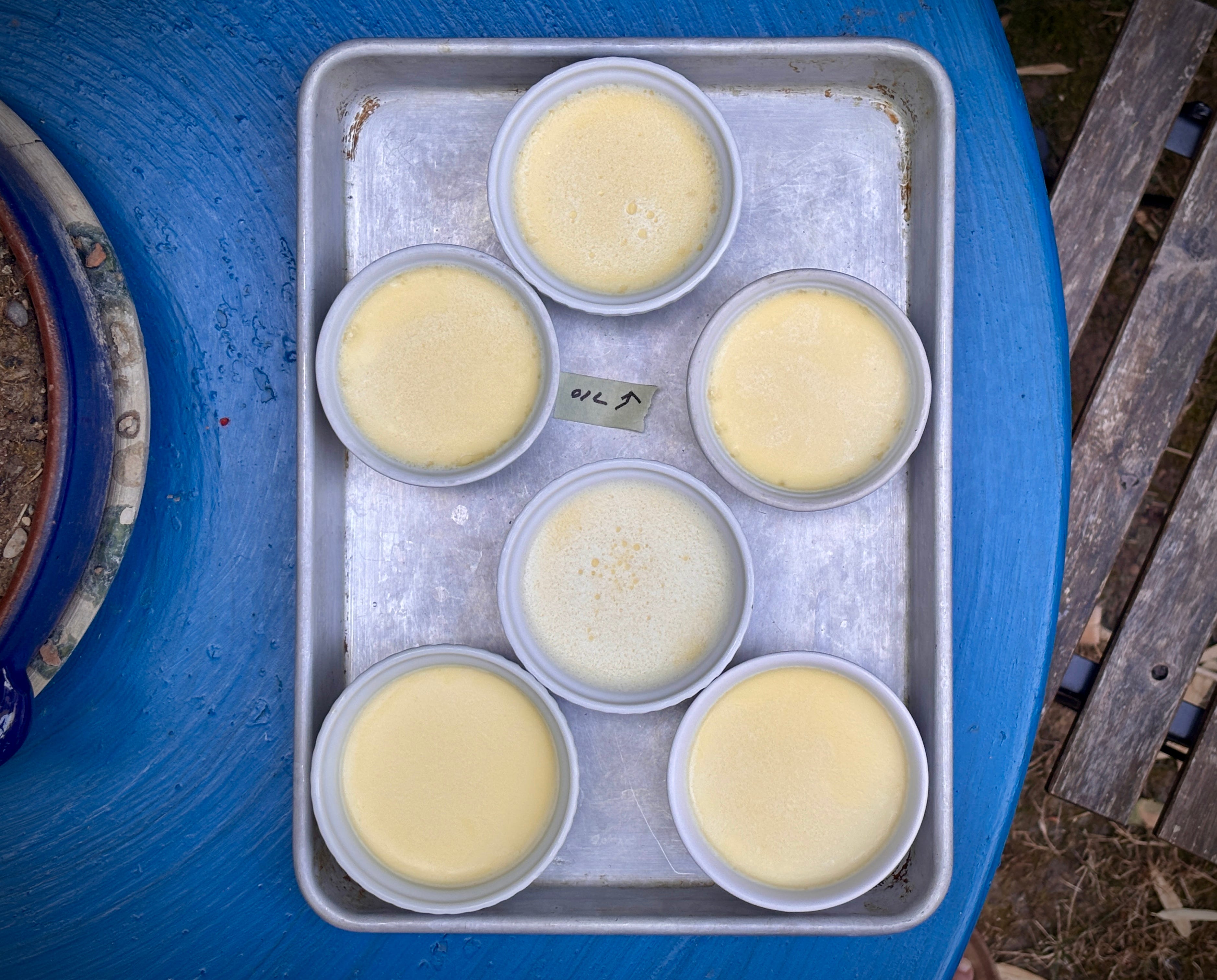
The next day when I went to unmold them, I realized I forgot to put water in the non-oiled ones. D’oh! Since we were in the middle of one of our many heatwaves this summer, let me tell you, strange things happen when the temperatures remain in the triple-digits for over a week and you get a little loopy. So I can’t tell if the water method works, but I do know the oiled ones slipped right out.
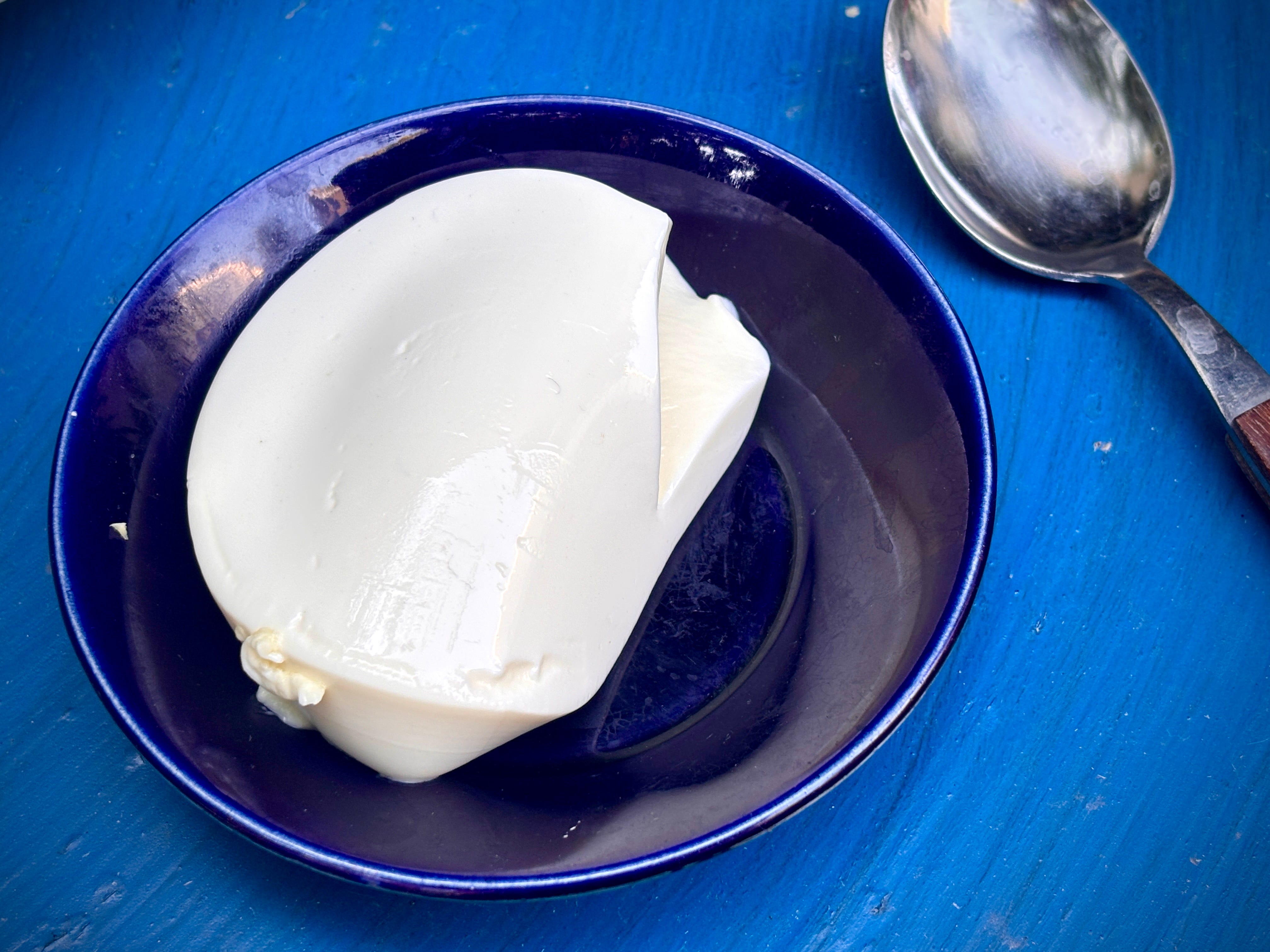
And, thanks to my inattentiveness, I also know that if you do nothing, they’ll come out a little floppy, above, but are equally delicious. And if you want to pour the mixture into glasses and serve it in those, there’s no need to do anything to prepare them before adding the panna cotta mixture.
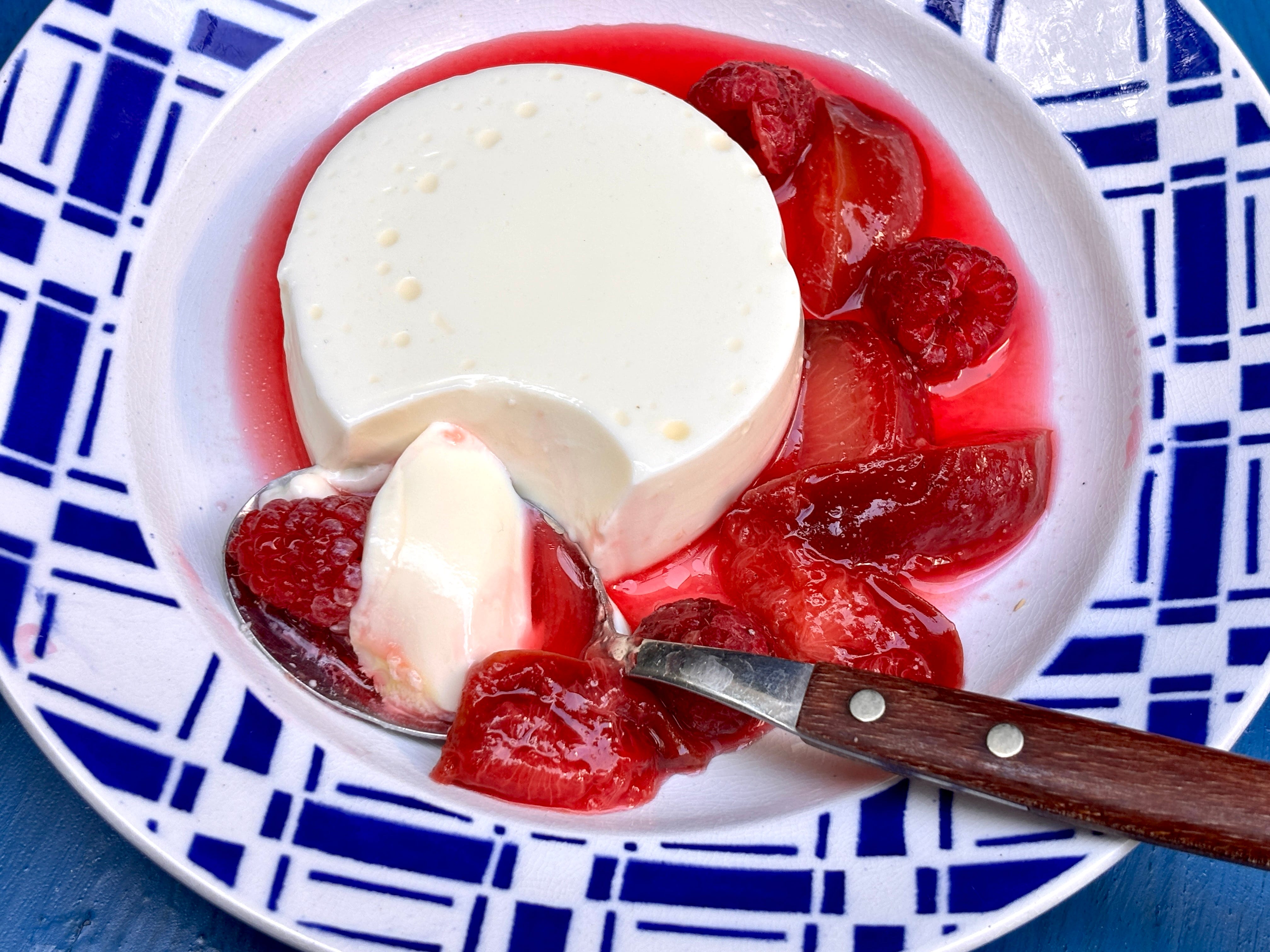
I loved the texture and flavor of this olive oil panna cotta. We happened to be outside and I did think, looking over at our lemon verbena plant, “Hmmm…I wonder what this would be like infused with lemon verbena?” Or maybe a fig leaf or two?

Olive Oil Panna Cotta
Six servings
Adapted from More than Sweet by
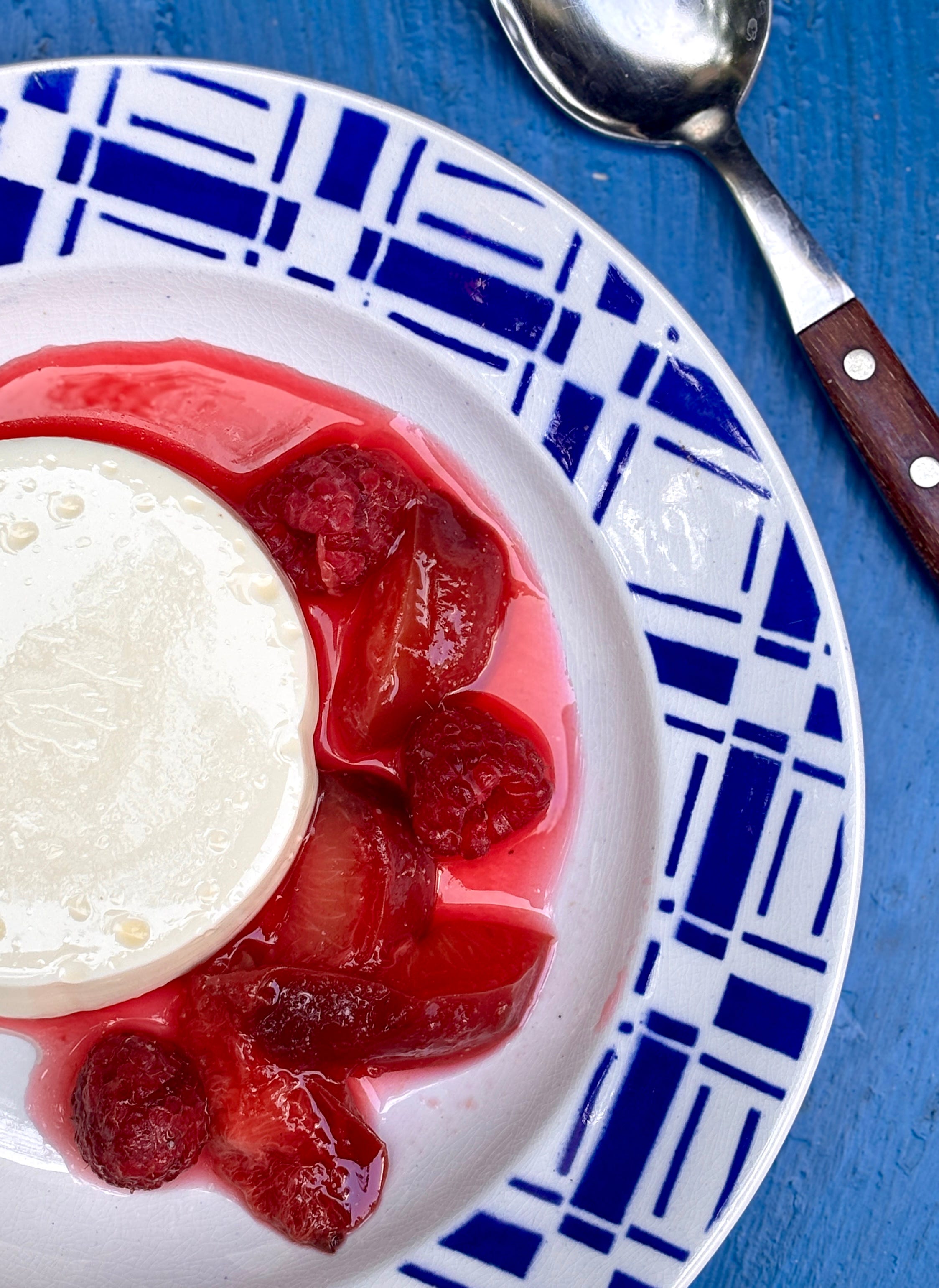
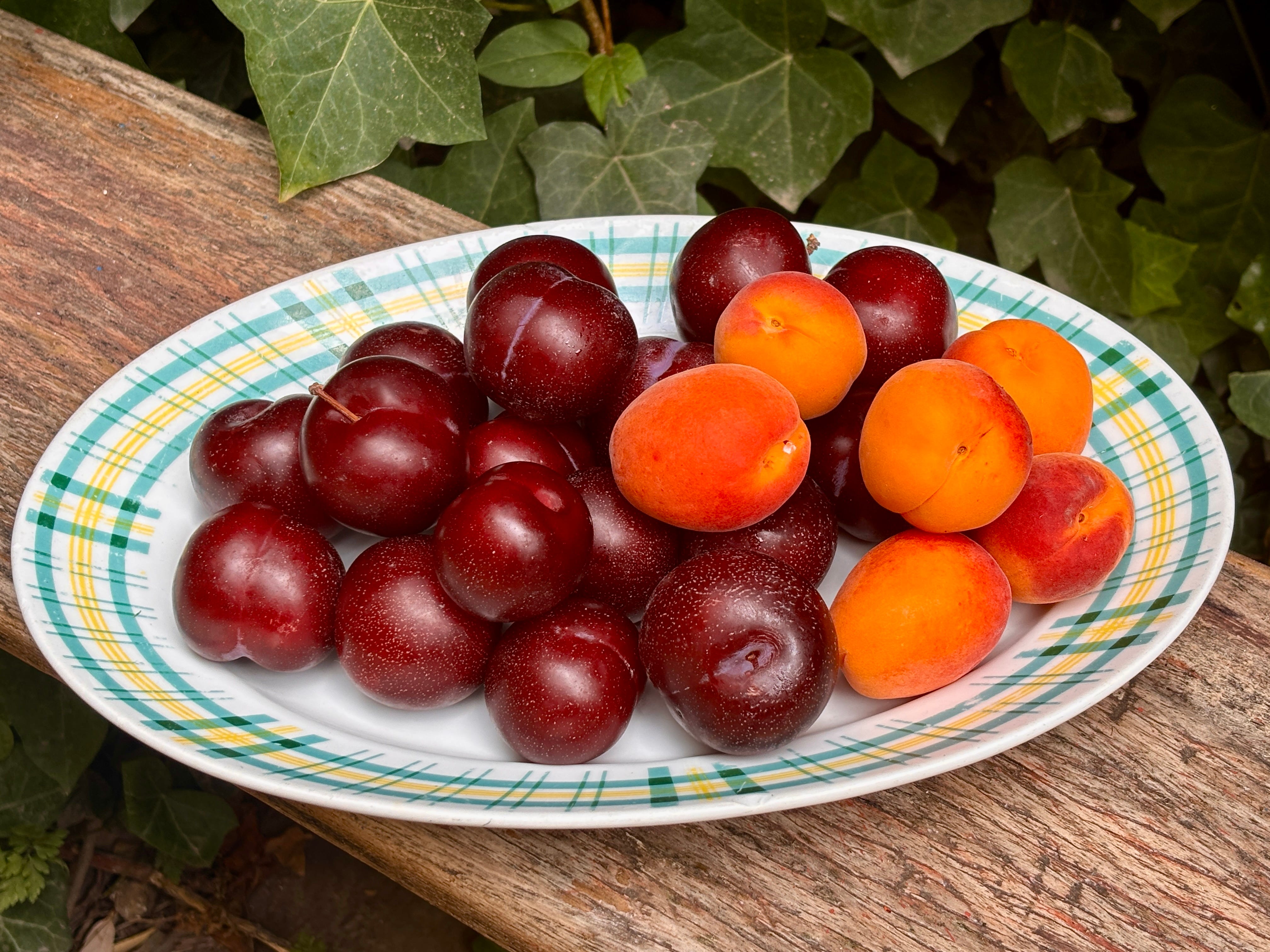
Panna cotta is the perfect summer dessert. It’s easy to make and goes well with summer fruits. She pairs it with braised cherries but I made the plum-raspberry compote from Ready for Dessert to go alongside, cutting eight pitted plums into eighths (or sixths, if small) and simmering them in 1/4 cup (50g) sugar, 1 cup (250ml) water, and half a vanilla bean, just until the plums are soft.
Once cooked, remove from the heat and stir in a basket of raspberries. I usually let it stand for an hour, but they’re even better if you let them sit overnight, refrigerated or at room temperature, which gives time for their juices to thicken. Other possibilities are apricot-cherry compote or oven-roasted figs.
For those who use sheet gelatin, Marie Frank says you can use 2 1/2 sheets of platinum gelatin, soaked in cold water, in place of the powdered gelatin. If you go that route, soak the sheets for about five minutes, wring out the excess water, then whisk them into the warm cream mixture until dissolved.
1 envelope (2 1/4 teaspoons, 7g) powdered unflavored gelatin
1/4 cup (60ml) cold water
2 cups (500ml) heavy cream
1 cup (250ml) whole or low-fat milk
1/2 cup (100g) sugar
1/2 cup (125ml) fruity extra-virgin olive oil
Big pinch of salt, preferably sea salt
In a small bowl, sprinkle the gelatin over the cold water and let stand 5 minutes.
Warm the cream, milk, and sugar in a medium saucepan, stirring until the sugar is dissolved. When the mixture just starts to bubble, remove from the heat and whisk in the softened gelatin, stirring until it’s completely dissolved.
Add the olive oil and a big pinch — what would call a “three-finger pinch” — of salt, then use an immersion blender to emulsify the mixture. If you only have a standard blender, let the mixture cool until it’s tepid, then blend.
Lightly oil six ramekins or similar-sized custard cups with a very light coat of unflavored vegetable oil.** Or, you can assemble six serving glasses to use, which don’t need to be oiled since you’re not unmolding them.
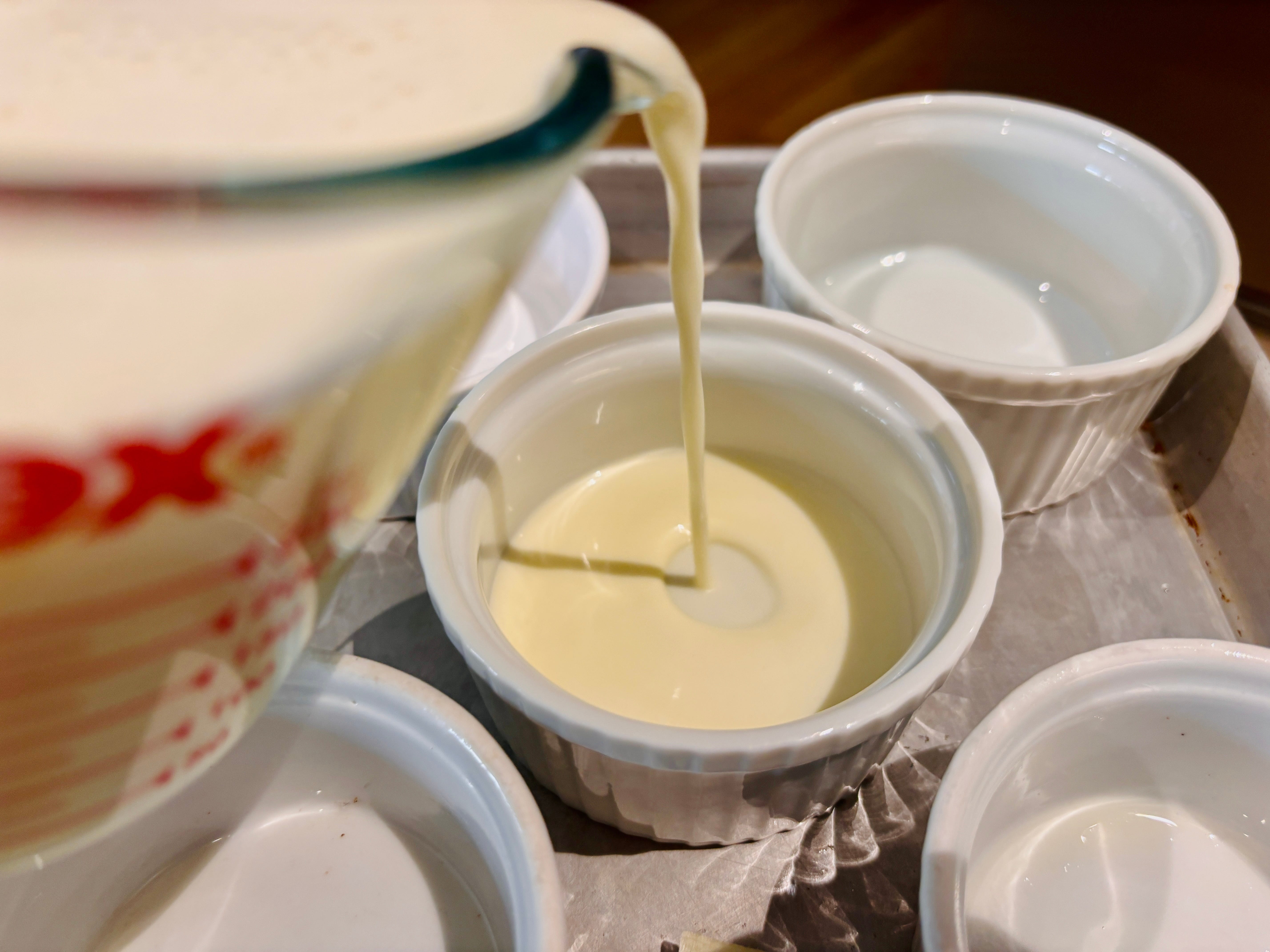
Transfer the panna cotta mixture into a measuring cup or pitcher with a spout, and divide the mixture between the ramekins.
Chill the panna cotta for at least 12 hours, or overnight. To serve, run a knife around the outside of the panna cotta to loosen it from the sides of the ramekins, and invert them onto dessert plates. If they don’t slide right out, hold on to the ramekins and plates and give them a firm shake, which should loosen them enough to slip out.
Serve with a fruit compote, if desired. You could also serve them with shavings of dark or milk chocolate, or with a little pour olive oil on top and a few grains of flaky sea salt.
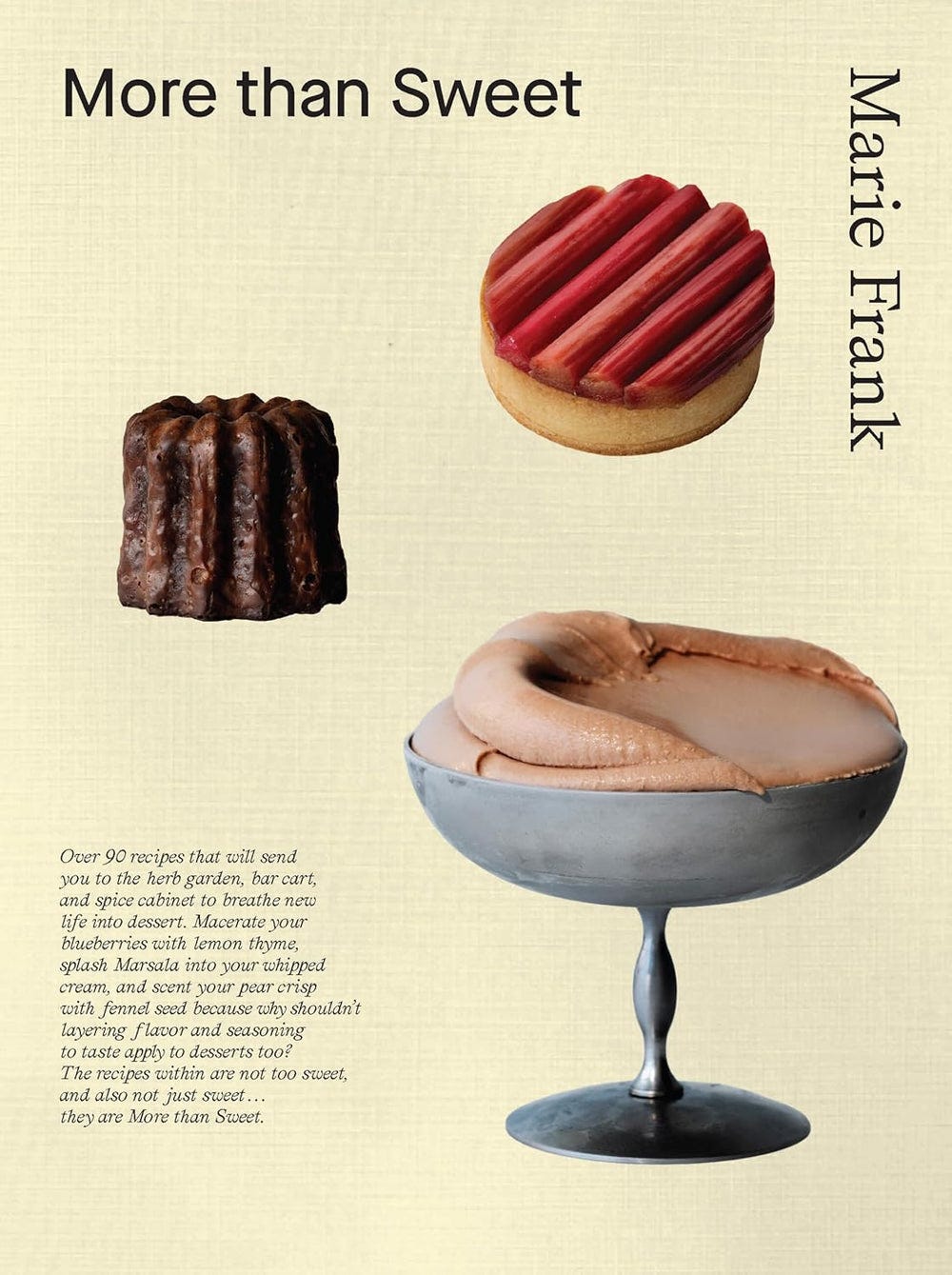
*The hard thing about going on book tour is that I go to amazing cookbook stores and see all the incredible cookbooks and want to bring all of them back with me.
**As mentioned, the original recipe said to rinse the ramekins in ice water and shake out the excess, but don’t towel-dry them, rather than oiling them. My experiment didn’t work but if you try it, let us know in the comments how it works out.

